British English, first recorded, apparently as army slang, in 1945—probably from ‘bonk’ (= a blow on the head) and the suffix ‘-ers’ as in ‘ravers’ (from ‘raving mad’) and ‘starkers’ (from ‘stark mad’)
First recorded in 1694, ‘Peg Tantrum’ was chiefly used in the phrase ‘to go to Peg Trantum’s’, meaning ‘to go to one’s death’. This word is perhaps from ‘Peg’, rhyming form of ‘Meg’, pet form of the female forenames ‘Margery’ and ‘Margaret’, and from ‘tantrum’.
Old English ‘werewulf’ (first element identified with Old English ‘wer’, ‘man’) first used for ‘wolf’ to denote a person serving Satan (cf. Gospel of Matthew “Beware of false prophets, who come to you in sheep’s clothing, but inwardly they are ferocious wolves”)
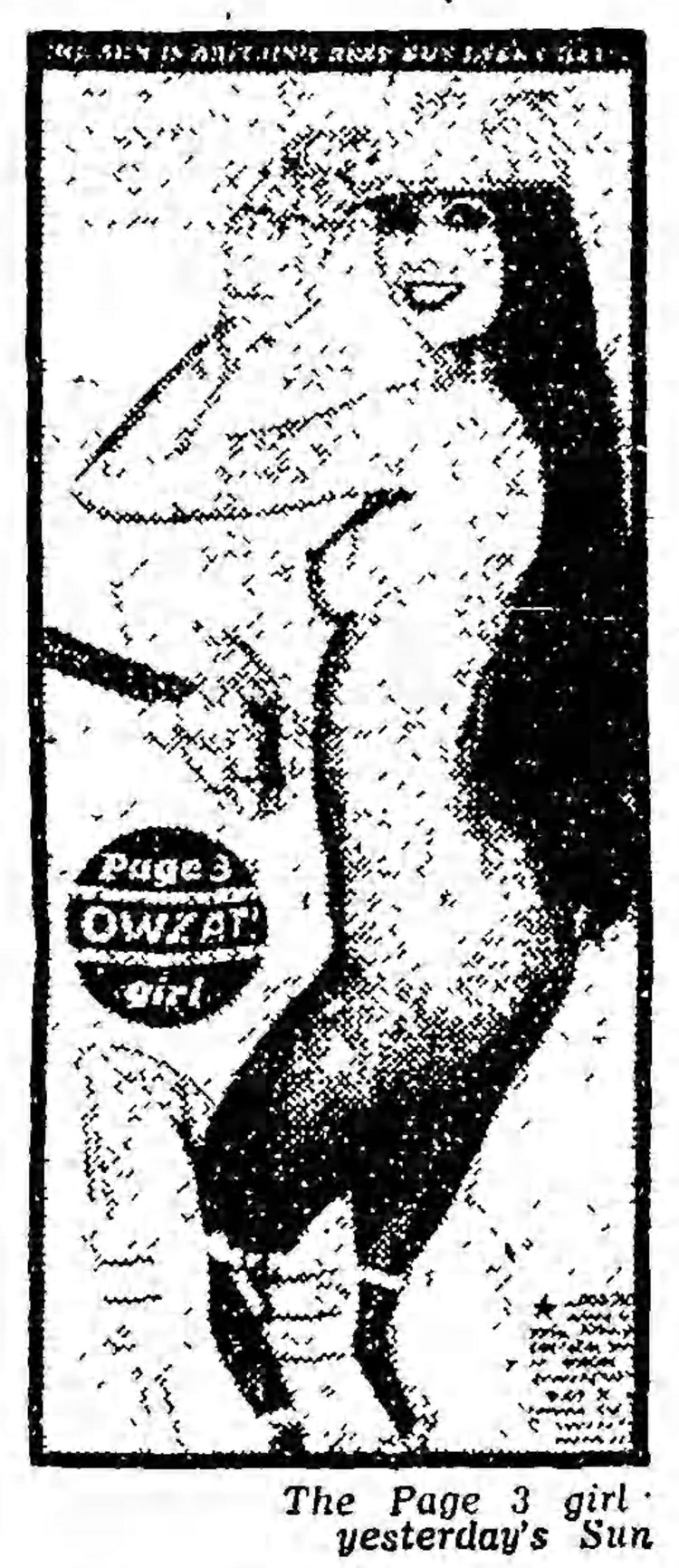
British English—‘Page Three’, or ‘Page 3’: a feature which appeared daily on page three of the British tabloid The Sun (London), and included a pin-up picture of a topless or nude young woman; this feature first appeared on 17 November 1970.
UK, 1819—specifically invented to qualify the English poet and critic William Gifford with reference to the fact that he had been a shoemaker’s apprentice—alludes to the proverb ‘let the cobbler stick to his last’ from Pliny’s Natural History (AD 77)
The phrase ‘boys in the backroom’, or ‘backroom boys’, appeared in the 1920s as a U.S. political term denoting persons exercising a surreptitious influence. The Oxford English Dictionary is therefore mistaken in saying that it originally denoted, in 1941, persons engaged in research.
‘Backward in coming forward’ means ‘reluctant, shy to do something’. The earliest instances that I have found are about funds set up in order to provide aid to soldiers wounded during the Napoleonic Wars.
This proverb is first recorded in the mid-18th century as ‘take care of the pence, and the pounds will take care of themselves’ in letters that two fathers wrote to their respective children; so new was the adage that they attributed its coinage to various persons.
‘Magazine’ (= ‘storehouse’) came to denote a book providing information on a specified subject (17th c.). This gave rise to the sense ‘periodical magazine (= ‘repository’) of the most interesting pieces of information published in the newspapers’ (18th c.).
‘happy-clappy’: a member of a Christian group whose worship is marked by enthusiastic participation; composed of ‘happy’ and of the noun ‘clap’ suffixed with ‘-y’—with allusion to the cheerful singing and hand-clapping regarded as typical of charismatic religious services

 word histories