The phrase ‘(to be left) to hold the baby’ originated in stock markets.
UK, 1872—alludes to a stranger’s accidental (as opposed to a parent’s legal) responsibility for an infant
Read More
“ad fontes!”
UK, 1872—alludes to a stranger’s accidental (as opposed to a parent’s legal) responsibility for an infant
Read More
Scotland, 1914: ‘buroo’, informal form of ‘bureau’ (generic sense)—later used specifically in the sense of Labour Bureau, hence of unemployment benefit (1921)
Read More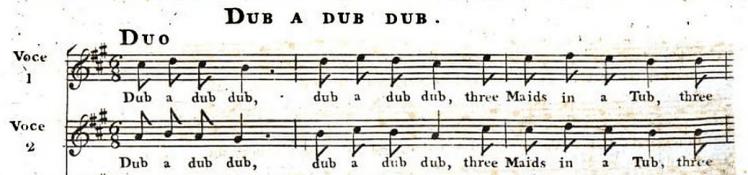
UK, 1848—people of various professions; people of all kinds—alludes to ‘Rub a dub dub’, a nursery rhyme of the late 18th century
Read More
UK, 1816—successful person attracting envious hostility—from Tarquin’s decapitation of the tallest poppies to indicate the fate of enemies
Read More1961—to be all talk and no action—originally without the negative determiner ‘no’—refers to verbal and sexual arrogance
Read More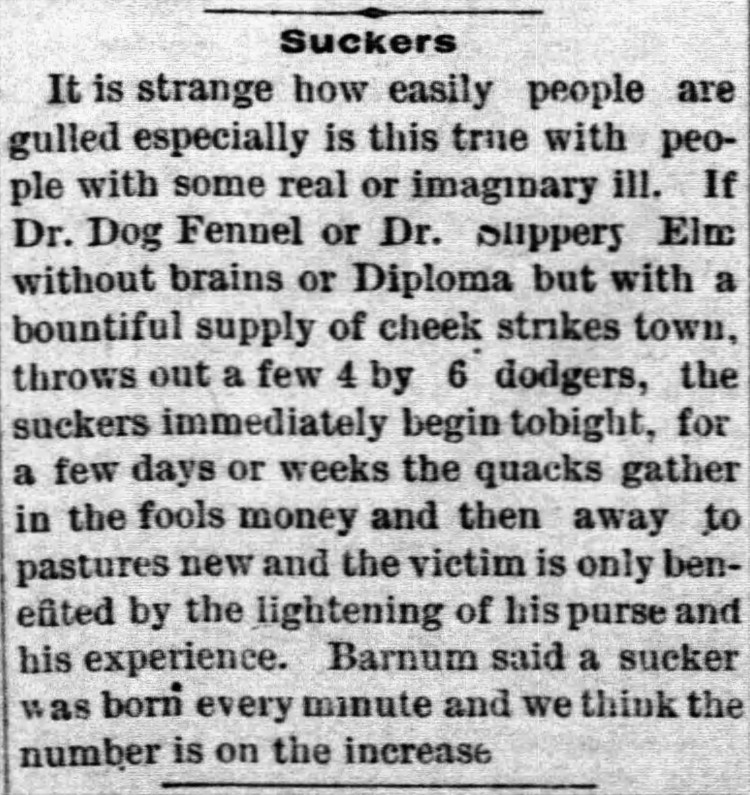
UK, 1806—expresses dismay or glee at the gullibility of people—originally used by those who were exploiting the credulity of others
Read More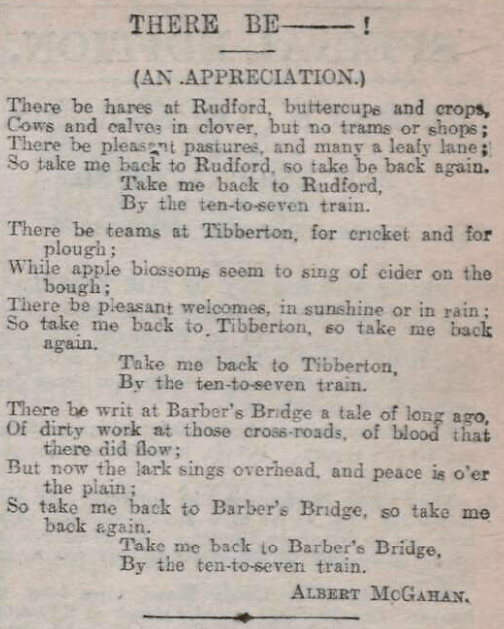
UK, 1906—dishonest or illicit dealings—probably alludes to crossroads as settings for sinister actions, in particular to their former use as burial places for suicides
Read More
1956—learning a job by observing how an experienced worker does it—‘Nellie’ is simply a generic name for a trained worker.
Read More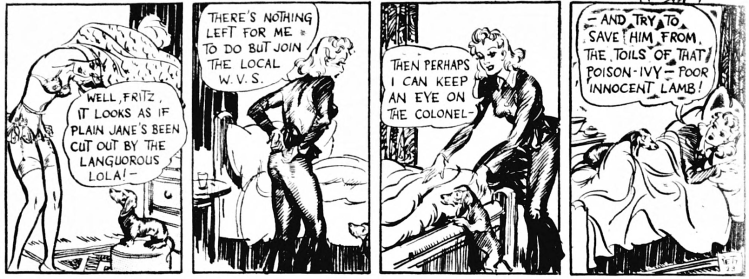
UK, 1898, in ‘plain Jane and no nonsense’—a dull or unattractive girl or woman—‘Jane’ chosen because it is common and rhymes with ‘plain’
Read More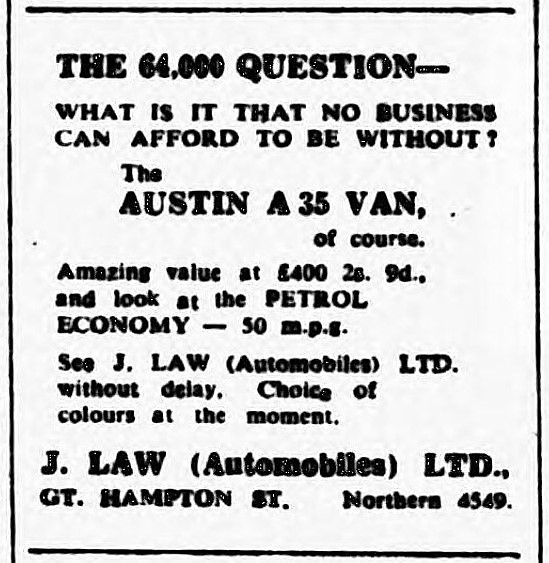
1956—a crucial question or issue—from The 64,000 Question, the name of a TV quiz show adapted from U.S. TV programme The $64,000 Question
Read More
