history of the phrase ‘(Lord) Kitchener wants you’
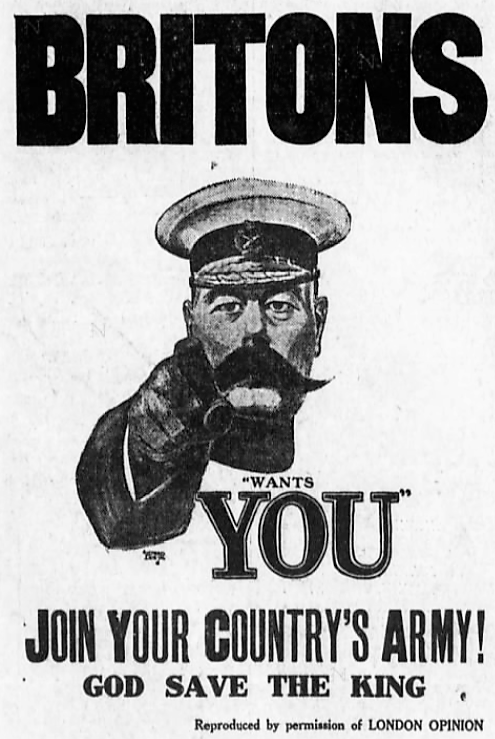
UK, 1914—from a poster showing Lord Kitchener, Secretary of State for War, used in the recruitment campaign at the beginning of World War One
Read More
“ad fontes!”
UK, 1914—from a poster showing Lord Kitchener, Secretary of State for War, used in the recruitment campaign at the beginning of World War One
Read More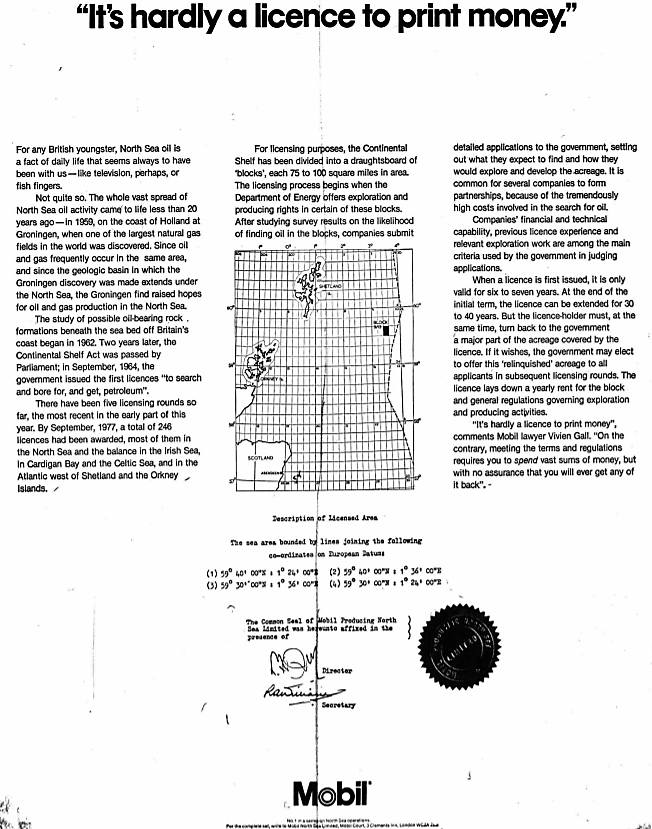
North America, 1943: used of owners of professional baseball teams—Britain, 1958: used of the franchises granted for running commercial television stations
Read More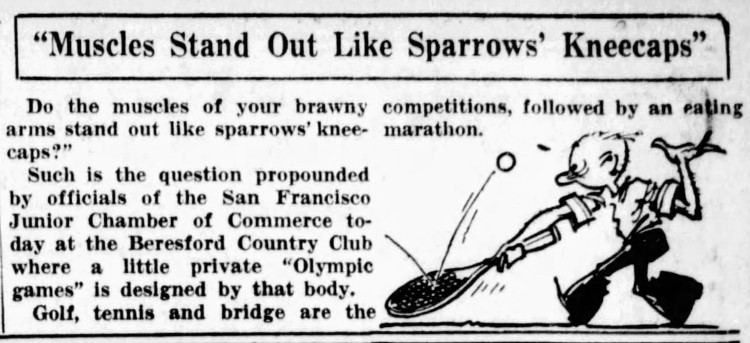
UK, 1922—(self-)disparagingly used of somebody’s physical strength—sometimes as a parody of ‘The Village Blacksmith’ (1840), by Henry Wadsworth Longfellow
Read More
coined by the English playwright Terence Rattigan (1911-1977) in the preface to Volume 2 of ‘The Collected Plays of Terence Rattigan’ (1953)
Read More
UK, 1926—completely lost or wasted—seems to allude to ‘Old Folks at Home’ (1851), also known as ‘Swanee River’, by the U.S. songwriter Stephen Foster
Read MoreEnglish phrase (1728) preceded by ‘good wits jump’, i.e. ‘agree’ (1618)—French phrase (1775) preceded by ‘les beaux esprits se rencontrent’ (1686)
Read More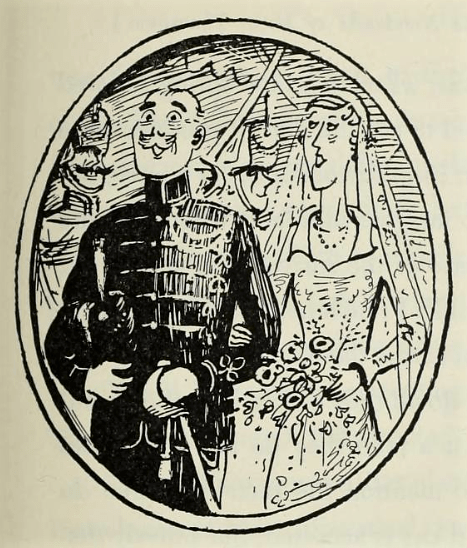
France, 1954: purported advice given to English brides-to-be on how to cope with unwanted but inevitable sexual intercourse—but this occurs in a humoristic book
Read More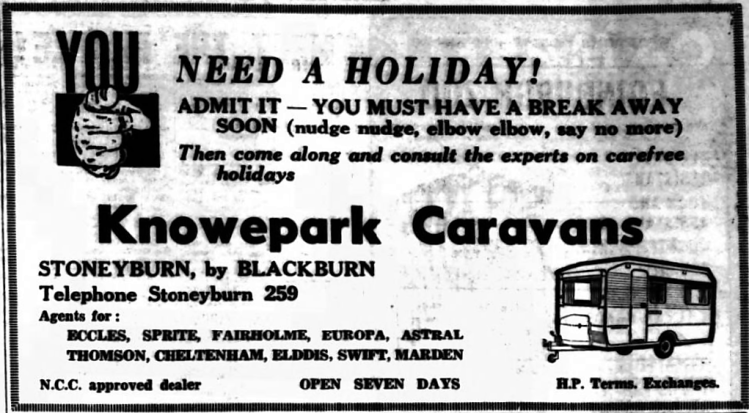
draws attention to a sexual innuendo—generally refers to an October 1969 sketch from the British comedy series Monty Python’s Flying Circus—but in use earlier
Read More
UK, 1952—back to where one started, with no progress having been made—refers to the game of snakes and ladders
Read More
1930 ‘bless my cotton socks’: exclamation of surprise, consternation, etc.—1935 ‘bless another’s cotton socks’: expresses affection, benevolence or gratitude
Read More
