‘sausage roll’: meaning and origin
UK, 1809—a roll of sausage-meat enveloped in a cover of flour paste, and cooked
Read More
“ad fontes!”
UK, 1809—a roll of sausage-meat enveloped in a cover of flour paste, and cooked
Read More1906 (of a motor vehicle): to operate with maximum power, to function at its best—1907 (of a person or thing): to perform at peak level, to be on top form—conversely, 1910: ‘to miss/misfire on all cylinders’
Read Moreto behave childishly and petulantly, to throw a tantrum—UK, 1944—the image is of a baby throwing its toys out of its pram in a tantrum
Read MoreUK, 1935—a humorous self-contradictory phrase which includes the clichéd phrase ‘to avoid like the plague’ in order to express the necessity of avoiding clichés—as a piece of advice for writers, has itself become a cliché
Read MoreUSA 1920: ‘to have the brains of a goldfish’ (to have limited intelligence)—USA, 1958: ‘to have the memory of a goldfish’ (to be unable to retain information or memories for any significant length of time)
Read More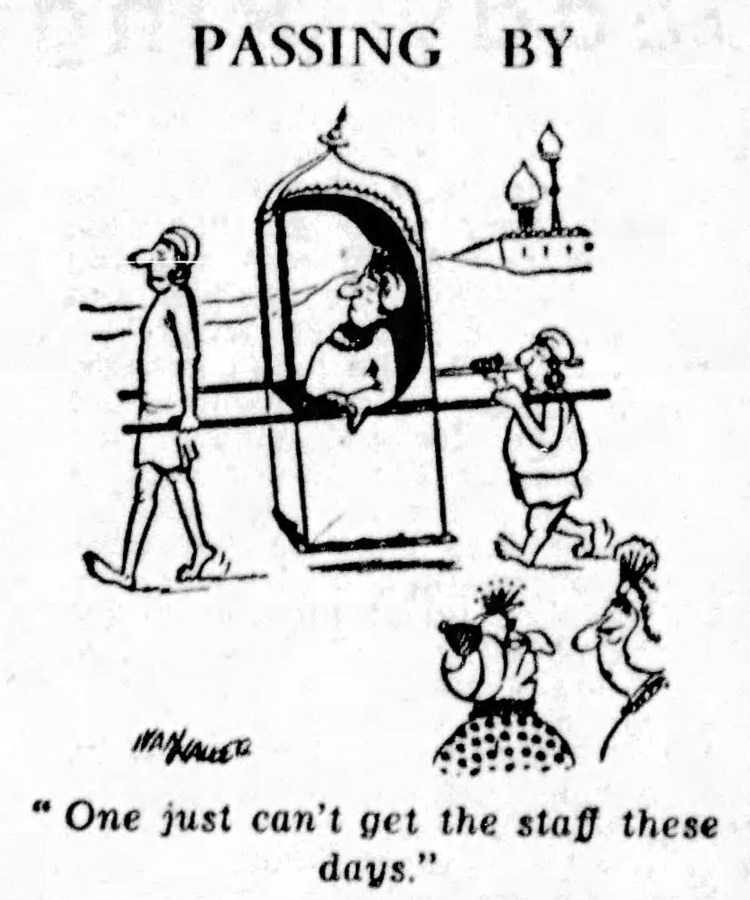
UK, 1957—humorous—indicates that something has not been done or maintained properly, or that someone’s efforts have failed to meet expectations
Read MoreBritain, 1747: dew of the kind that settles on mountains—Scotland, 1816: whisky or other spirit, especially when home-made or illicit (originally in reference to whisky distilled in the Highlands, i.e., in the mountainous region of Scotland)
Read MoreUK, 1817—a blank book in which pictures, newspaper cuttings, and the like are pasted for preservation—hence also (UK, 1821) used as the title of a printed book of miscellaneous contents
Read More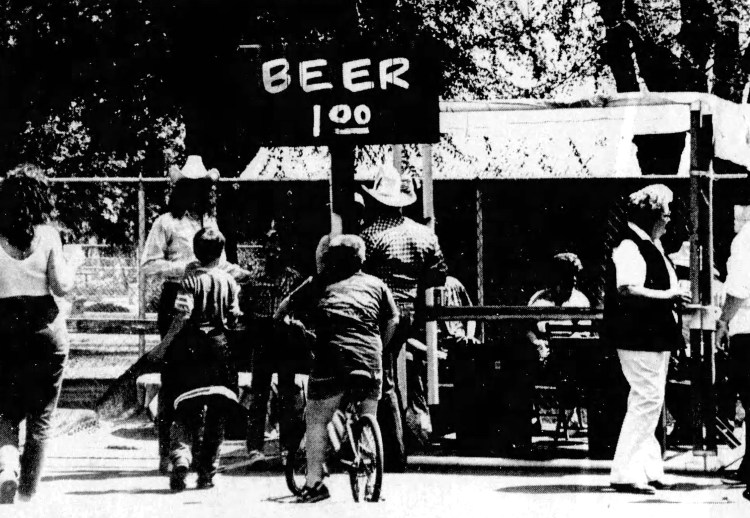
a time at which it is considered acceptable or sociable to start drinking beer—used of various times of the day—USA, 1910
Read MoreBritish, dialectal, 1828: the break of day, i.e., the dawn chorus, with humorous allusion to a small passerine breaking wind—later also: an insignificant person or thing
Read More word histories