‘a fox in the henhouse’: meaning and early occurrences
a sly, treacherous or deceitful person, especially one who is secretly acting against the interests of the community or organisation to which he or she belongs—mid-19th century
Read More
“ad fontes!”
a sly, treacherous or deceitful person, especially one who is secretly acting against the interests of the community or organisation to which he or she belongs—mid-19th century
Read Morea person who overestimates their own influence—1661—alludes to the fable of a fly sitting on the axletree of a moving chariot and saying, “See what a dust I raise”
Read More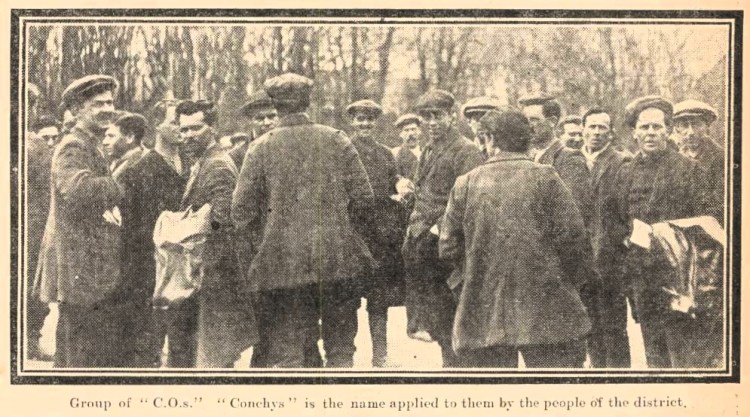
a conscientious objector—UK, 1916—from the initial syllable of the noun ‘conscientious objector’ and the suffix ‘-ie’, used to form familiar diminutives
Read More
a Japanese figurine of a sitting cat beckoning with one raised paw, traditionally believed to bring good luck—USA, 1894—from Japanese ‘maneku’ (to invite by beckoning, especially with the hand) and ‘neko’ (a cat)
Read Morea perceived loss of intelligence or critical thinking skills—apparently coined after ‘potato rot’ by the U.S. author Henry David Thoreau in Walden; Or, Life in the Woods (1854)
Read Moresubsistence-level living—UK, 1833—since the 17th century, ‘bread and cheese’ has been used attributively to mean: ordinary, simple, basic
Read More1710: any of various species of frog producing a call or song—one of several phrases in which the adjective ‘Dutch’ is used derogatorily or derisively
Read MoreUSA, 1871—a traditional method of teaching consisting of lectures (talk) illustrated chiefly on the blackboard (chalk)
Read More1843—a representation of a human skull or skeleton, originally crafted from sugar and intended to be eaten and often given to children as a gift around Día de Muertos (Day of the Dead)
Read MoreUSA, 1826—a laugh by a person in a state of religious fervour—especially used in reference to Methodist camp-meetings
Read More word histories