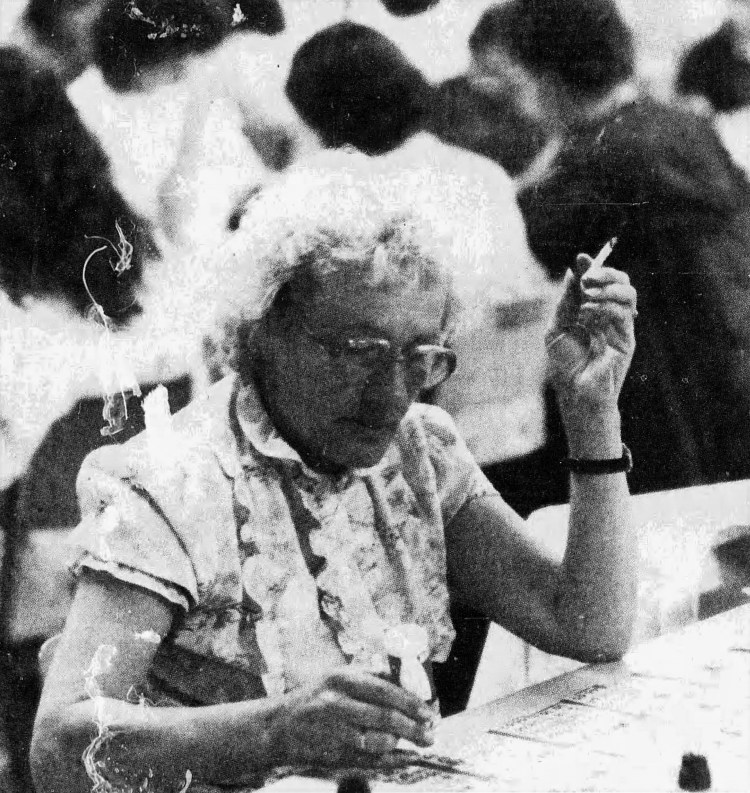
USA, 1938—UK, 1961—satirical phrase referring to the addiction to bingo, a game in which players mark off numbers on cards as the numbers are drawn randomly by a caller, the winner being the first person to mark off all their numbers
‘anything for a quiet wife’ (1875)—jocular variant of ‘anything for a quiet life’ (ca. 1620), which expresses concession or resigned agreement, to ensure one is not disturbed
means that, in a specific situation, a person will be blamed or considered wrong no matter what he or she does—USA, 1817—originally used in Christian contexts
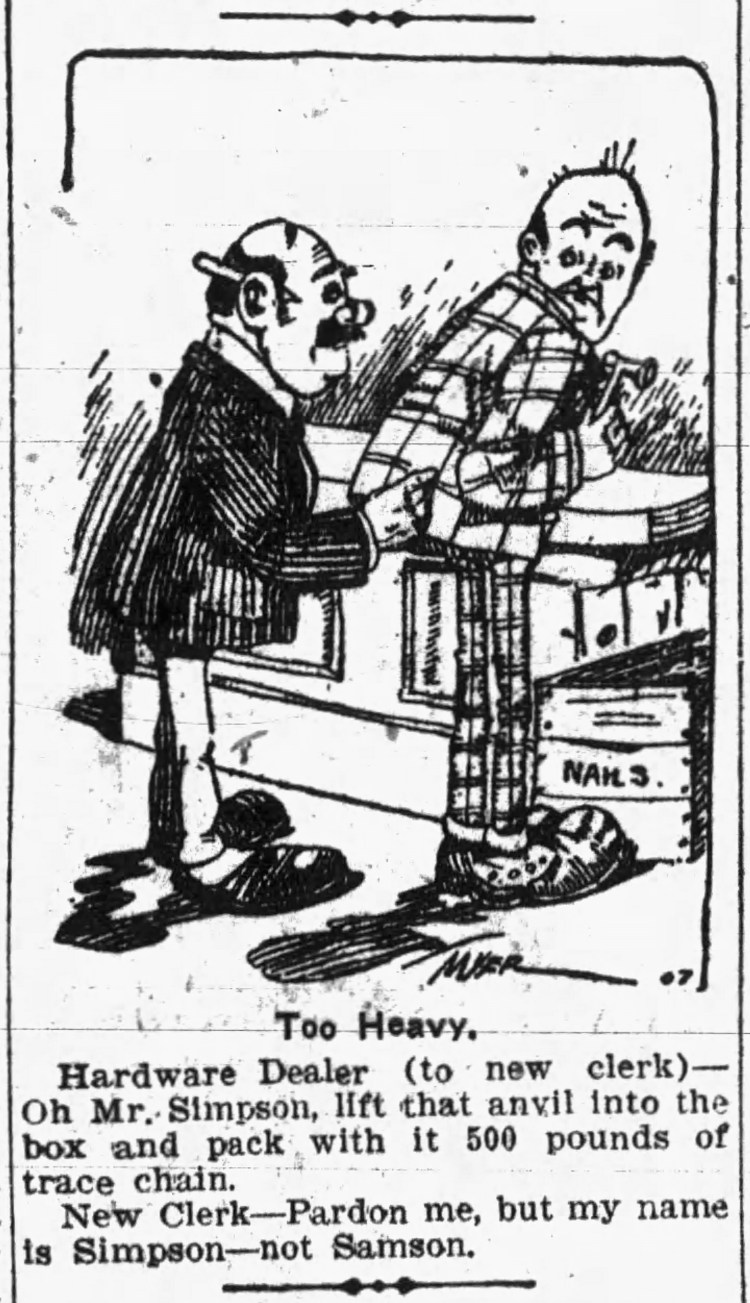
UK, 1906—used by a workman asked to lift too heavy an object—‘Simpson’ chosen for its similarity with ‘Samson’, the name of a biblical hero of enormous strength
UK, 1907—the ideal of an unmarried woman—the phrase was especially used when offering to an unmarried woman the last cake or piece of bread from a plate
USA, 1885—humorous alteration of ‘many are called (but) few are chosen’, which refers to The Parable of the Workers in the Vineyard (gospel of Matthew, 20:1-16)
very rude way of expressing profound contempt—first recorded in The Killing of Abel, one of the 15th-century mystery plays known as the Wakefield, or Towneley, plays