USA, 1976—the outcome of a situation cannot be assumed—may allude to the stereotype of a large female soprano singing the final aria of an opera—from ‘church ain’t out ’till the fat lady sings’ (1976), itself from ‘church ain’t out until the singing is over’ (1872)
a representation of the letter A in scarlet cloth which Hester Prynne is condemned to wear in The Scarlet Letter (1850), by Nathaniel Hawthorne—soon came to be used figuratively in the sense of a stigma, a mark of infamy
be totally focused on your objective—USA — already well established in 1932—originated in the image of God’s watchful eye upon the sparrow, with reference to the gospel of Matthew, 10:29-32
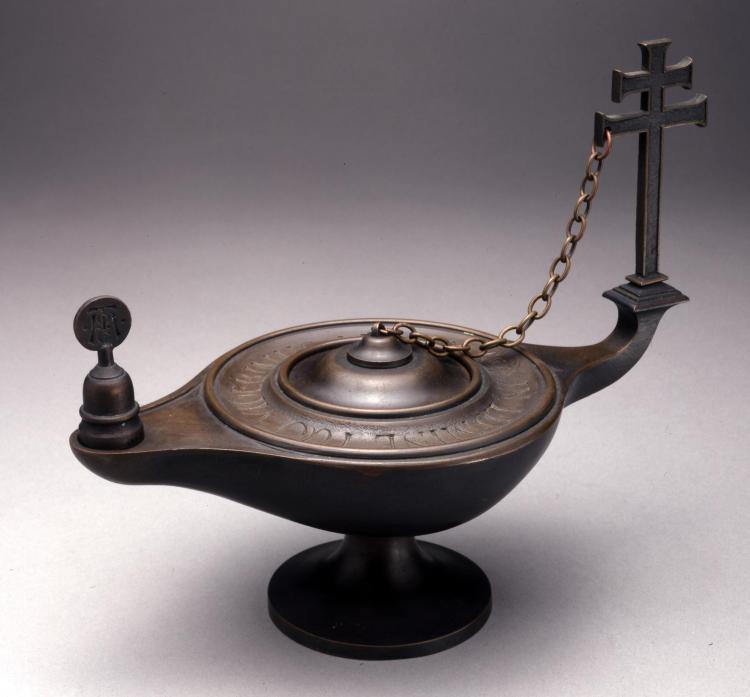
dim-witted—UK, 1955—refers to the oil lamp that is symbolically lit at the beginning of the meetings of each section of the international movement Toc H
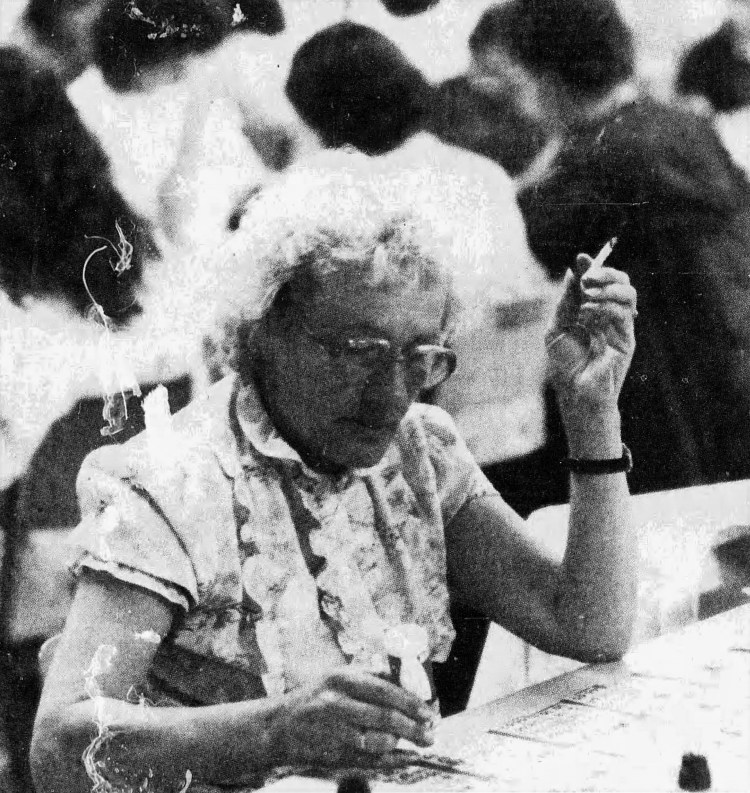
USA, 1938—UK, 1961—satirical phrase referring to the addiction to bingo, a game in which players mark off numbers on cards as the numbers are drawn randomly by a caller, the winner being the first person to mark off all their numbers
‘anything for a quiet wife’ (1875)—jocular variant of ‘anything for a quiet life’ (ca. 1620), which expresses concession or resigned agreement, to ensure one is not disturbed
means that, in a specific situation, a person will be blamed or considered wrong no matter what he or she does—USA, 1817—originally used in Christian contexts
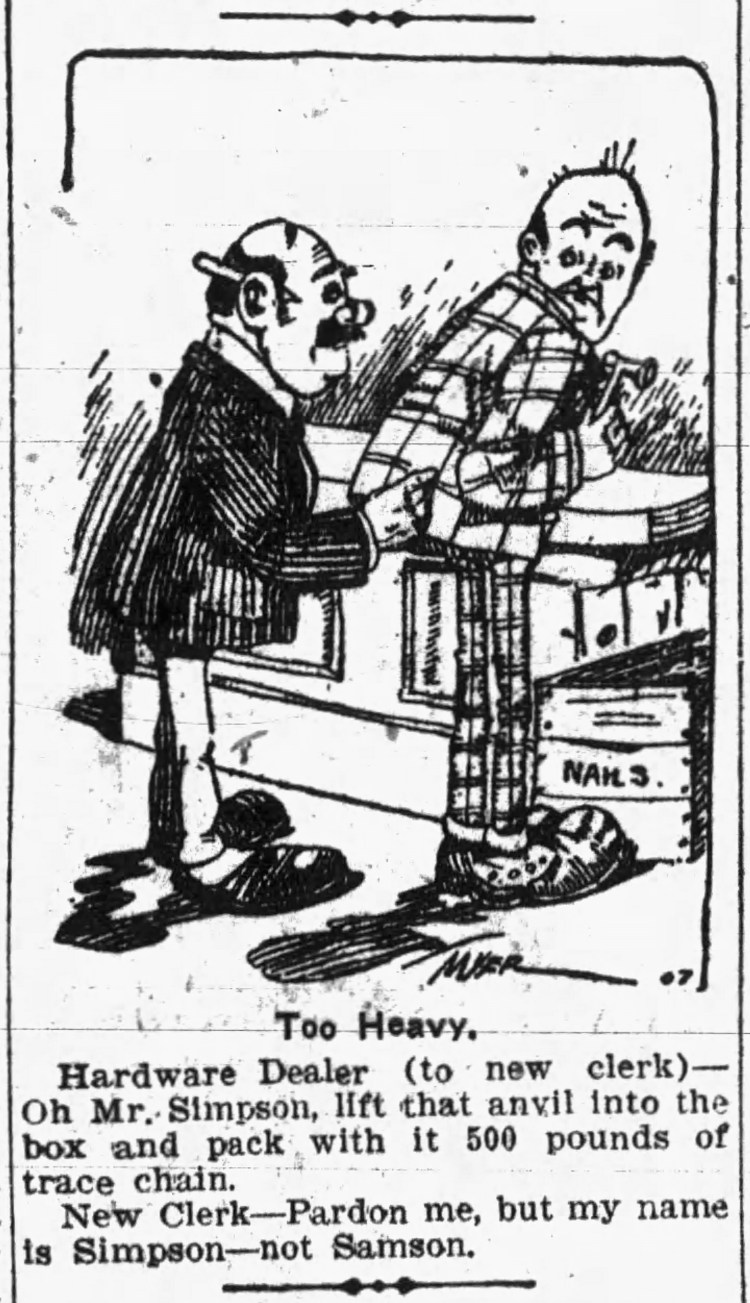
UK, 1906—used by a workman asked to lift too heavy an object—‘Simpson’ chosen for its similarity with ‘Samson’, the name of a biblical hero of enormous strength

 word histories