origin of ‘slave’ and ‘Slav’, of ‘robot’ and of ‘ciao’
The word ‘slave’ is from Medieval Latin ‘Sclavus’, ‘Slav’, because the Slavic peoples were frequently reduced to a servile condition by the Germanic conquest.
Read More
“ad fontes!”
The word ‘slave’ is from Medieval Latin ‘Sclavus’, ‘Slav’, because the Slavic peoples were frequently reduced to a servile condition by the Germanic conquest.
Read MoreThe phrase perhaps originated in laws or customs regulating the gathering of firewood by tenants; it was perhaps a legal formula in which ‘crook’ merely reinforced ‘hook’.
Read More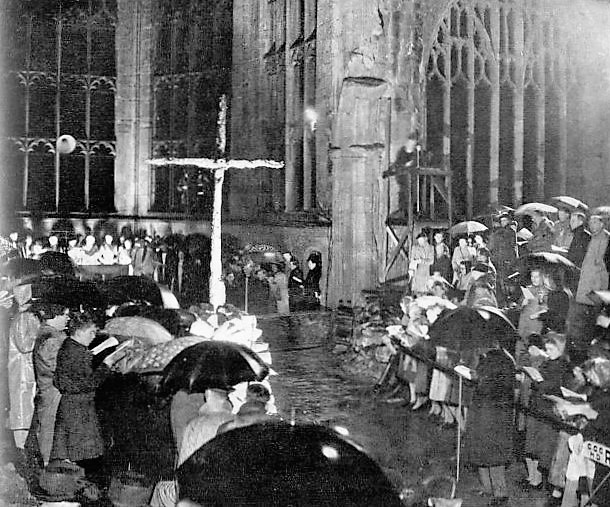
probable origin: in 1642, during the English Civil War, Royalists had been captured at Birmingham and sent to Coventry, which was a Parliamentarian stronghold.
Read More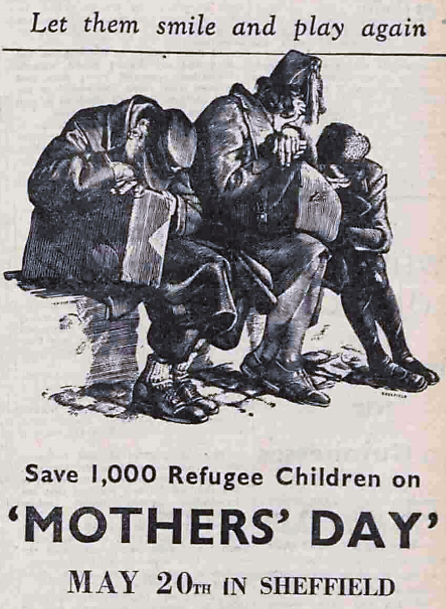
Kindertransport (from German ‘Kinder’, children): operation from 1938 to 1940 to evacuate (mostly Jewish) children from Nazi-controlled areas of Europe to the UK
Read More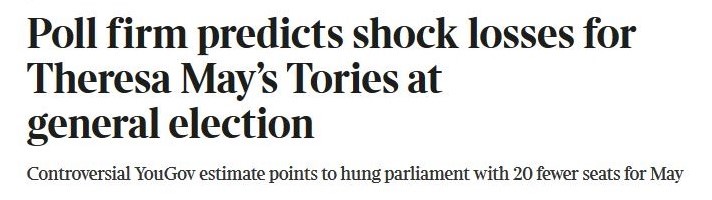
In ‘hung parliament’, ‘hung’ means ‘in which no political party has an overall majority’ – cf. the US expression ‘hung jury’, where ‘hung’ means ‘unable to decide’.
Read More
The current sense of ‘jingo’ originated in a 1877 patriotic song adopted by the bellicose factions within the Conservative Party during the Russo-Turkish war.
Read More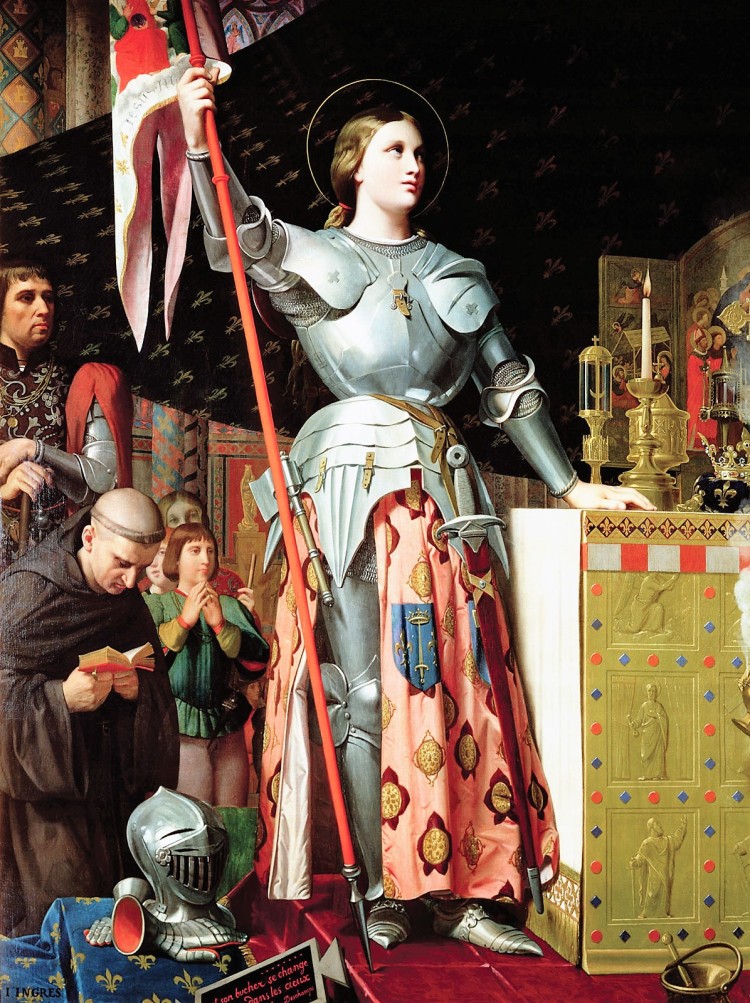
English ‘cap-a-pie’ is from ‘de cap à pied’, ‘from head to foot’, used in Occitan and in the Middle French of southern France.
Read MoreThe expression ‘esprit d’escalier’, ‘wit of the staircase’, originally referred to a witty remark coming to mind on the stairs leading away from a gathering.
Read More
‘Over the top’, which means ‘excessive’, originated as a WWI expression meaning ‘over the parapet of a trench and into battle’.
Read More
The phrase ‘(with) tongue in cheek’ originally referred to a sign of contempt or derision consisting in sticking one’s tongue in one’s cheek.
Read More word histories