meaning and origin of ‘to bow (down) in the house of Rimmon’
1718—to sacrifice one’s principles for the sake of conformity—from 2 Kings, where Naaman seeks permission from Elisha to worship the Aramaean god Rimmon
Read More
“ad fontes!”
1718—to sacrifice one’s principles for the sake of conformity—from 2 Kings, where Naaman seeks permission from Elisha to worship the Aramaean god Rimmon
Read More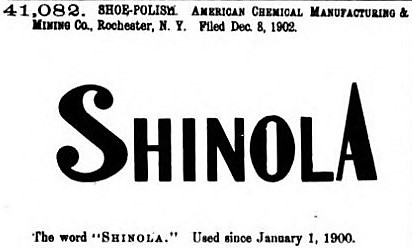
USA, 1946—to be completely unaware or innocent—from ‘Shinola’, the trade name of an American brand of shoe polish
Read More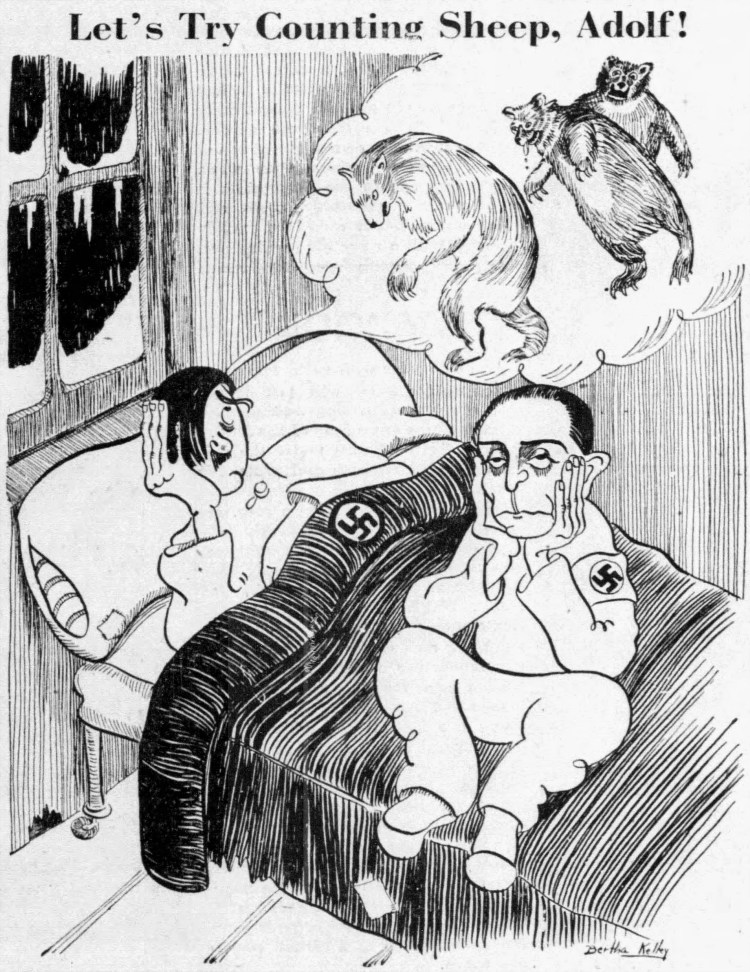
‘to count sheep’ (French ‘compter les moutons’): to count imaginary sheep jumping over an obstacle one by one, as a way of sending oneself to sleep
Read MoreUK, 1912—from the prayer “From Ghoulies and Ghoosties, long-leggety Beasties, and Things that go Bump in the Night, Good Lord, deliver us!”
Read More‘like a bull in a china shop’ (UK, 1802)—French equivalent with ‘elephant’ instead of ‘bull’ (1849)
Read MoreUSA, 1960s—extreme right-wing views associated with the supposedly barbaric and tyrannical rule of Genghis Khan—the name Attila is also used
Read More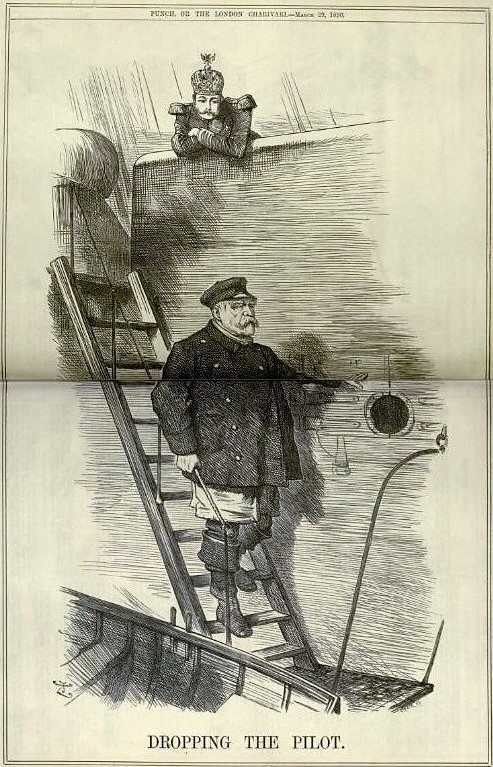
John Tenniel popularised the phrase in a cartoon depicting the dismissal of Otto von Bismarck, published in Punch (London) of 29 March 1890.
Read MoreUK—‘a legend in your lifetime’ (1913): allegedly said by Benjamin Jowett to Florence Nightingale—‘a legend in his own lunchtime’ (1969): first recorded in a theatrical review by John Cunningham
Read Morea Latin-American country that is politically unstable because its economy, controlled by U.S. capital, wholly depends on the export of bananas
Read More
UK, 1852—of a person or thing: irretrievably defunct or out of date—with reference to the extinct bird of Mauritius
Read More
