The phrase ‘(to be left) to hold the baby’ originated in stock markets.
UK, 1872—alludes to a stranger’s accidental (as opposed to a parent’s legal) responsibility for an infant
Read More
“ad fontes!”
UK, 1872—alludes to a stranger’s accidental (as opposed to a parent’s legal) responsibility for an infant
Read More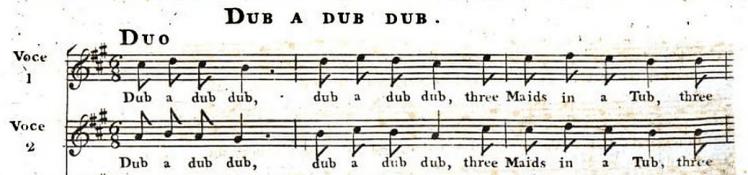
UK, 1848—people of various professions; people of all kinds—alludes to ‘Rub a dub dub’, a nursery rhyme of the late 18th century
Read More
UK, 1816—successful person attracting envious hostility—from Tarquin’s decapitation of the tallest poppies to indicate the fate of enemies
Read More1961—to be all talk and no action—originally without the negative determiner ‘no’—refers to verbal and sexual arrogance
Read More
1956—learning a job by observing how an experienced worker does it—‘Nellie’ is simply a generic name for a trained worker.
Read More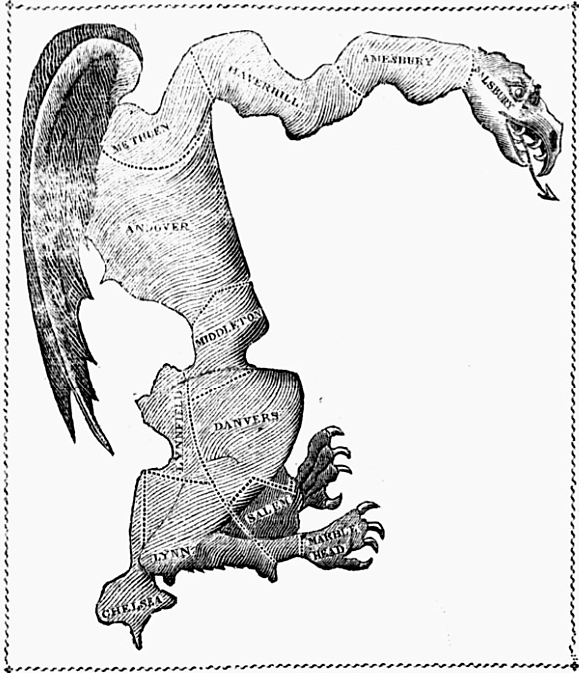
the drawing of the ‘Gerry-mander’ and the accompanying text—as published in the Boston Gazette (Boston, Massachusetts) of 26 March 1812
Read Moreisolated use in The Fancies, Chast and Noble (1638), by John Ford—1795 as ‘to ride bodkin’—seems to allude to the thinness of the tools that have that name
Read MoreUK, 1837—something intended, but failing, to impress—if damp, a squib [a small firework] will fail to work
Read MoreUSA, 1960s—those who already have will receive more—refers to gospel of Matthew—coined by sociologist Robert King Merton
Read More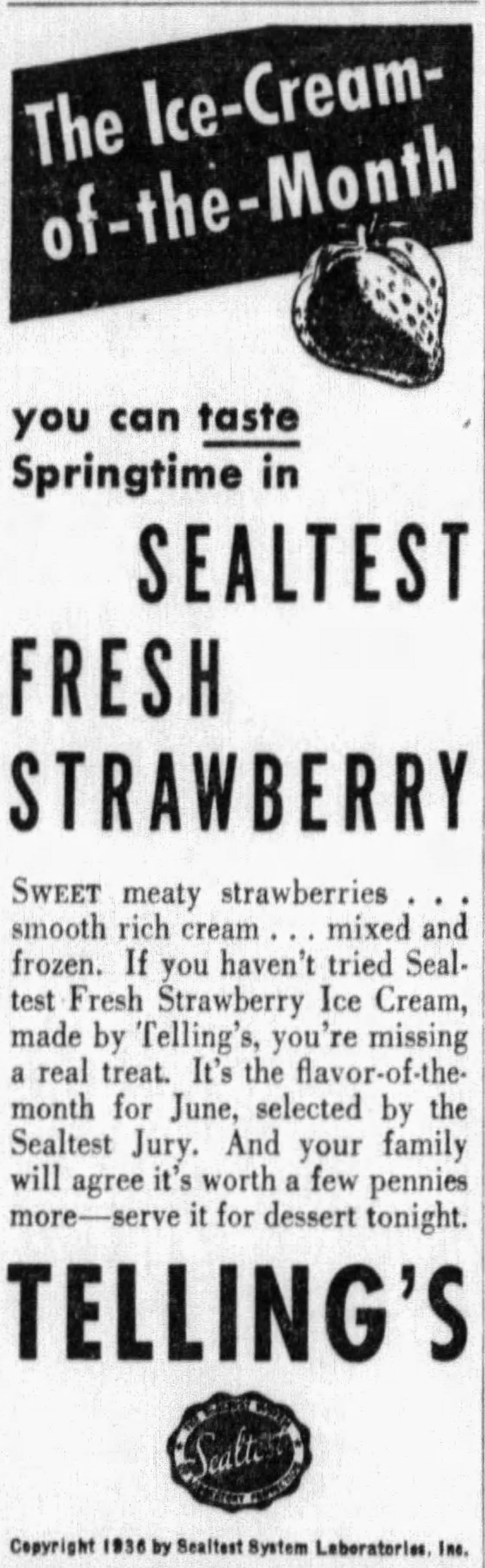
UK, 1967—person or thing that enjoys a short period of great popularity—the particular ice-cream flavour promoted during a month/week
Read More word histories