Primary Menu
  • home
  • alphabetical index
  • about me
  • contact
  • donate
word histories

word histories

“ad fontes!”

Category: public affairs

meaning and origin of the phrase ‘alarums and excursions’

8th Jan 2019.Reading time 6 minutes.

confused activity and uproar—alludes to the frequent collocation of ‘alarum’ and ‘excursion’ in stage directions in Shakespearean drama

Read More

origin of ‘when the going gets tough, the tough get(s) going’

2nd Jan 2019.Reading time 13 minutes.

USA, 1953—originally a motto adopted by football coaches—has often been used humorously with variation of the main clause

Read More

the emergence of the political term ‘whataboutism’ in 1978

25th Dec 2018.Reading time 7 minutes.

The Guardian, UK, 23 May 1978—used by one Lionel Bloch to designate—and denounce—the rhetoric employed by the advocates of the communist regimes

Read More

the coinage of an Irish political term: ‘whataboutery’

24th Dec 2018.Reading time 9 minutes.

1974—coined by the Irish journalist John Healy with reference to the Troubles in Northern Ireland

Read More

origin and sense development of Anglo-Irish ‘bejesus’

23rd Dec 2018.Reading time 11 minutes.

1825, Anglo-Irish alteration of ‘by Jesus’—1867 as one word—‘the bejesus out of’ (1931) intensifies the action conveyed by the preceding verb

Read More

origin of ‘beard the lion in his den’ (confront someone on their own ground)

20th Dec 2018.Reading time 10 minutes.

Scotland, 1749—from the idea of daring to grab a lion’s “beard” and figurative uses of ‘beard’: (verb) ‘confront’ – (noun) ‘face’

Read More
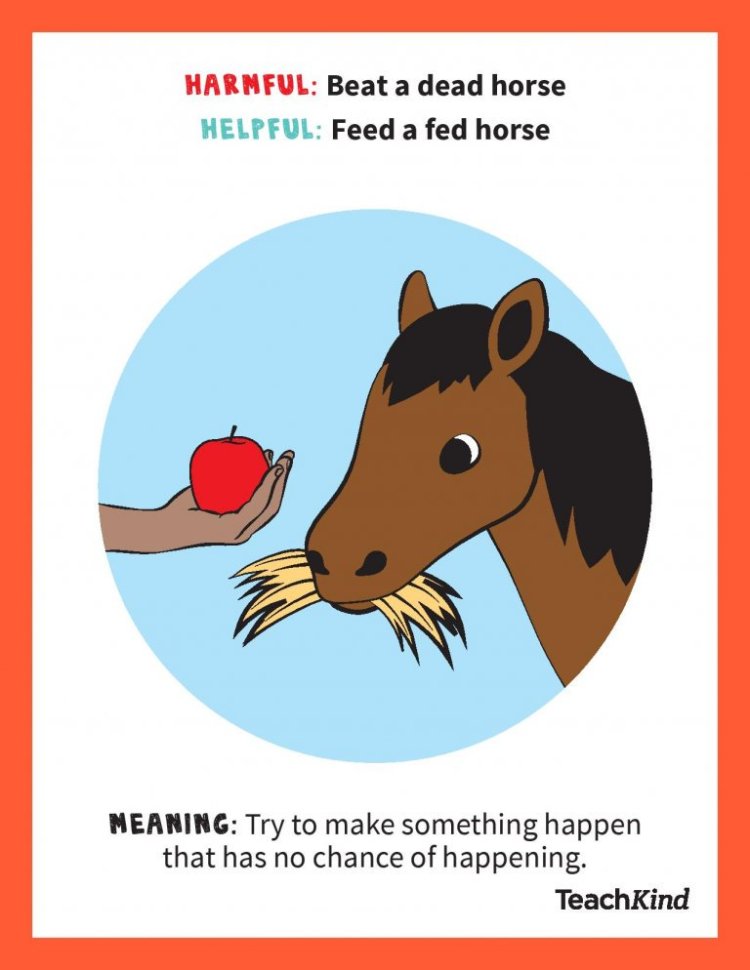
a personal view on the ‘animal-friendly’ phrases suggested by PETA

8th Dec 2018.Reading time 8 minutes.

Fundamentally, I object to the will of any group to artificially modify language in order to impose their world view.

Read More
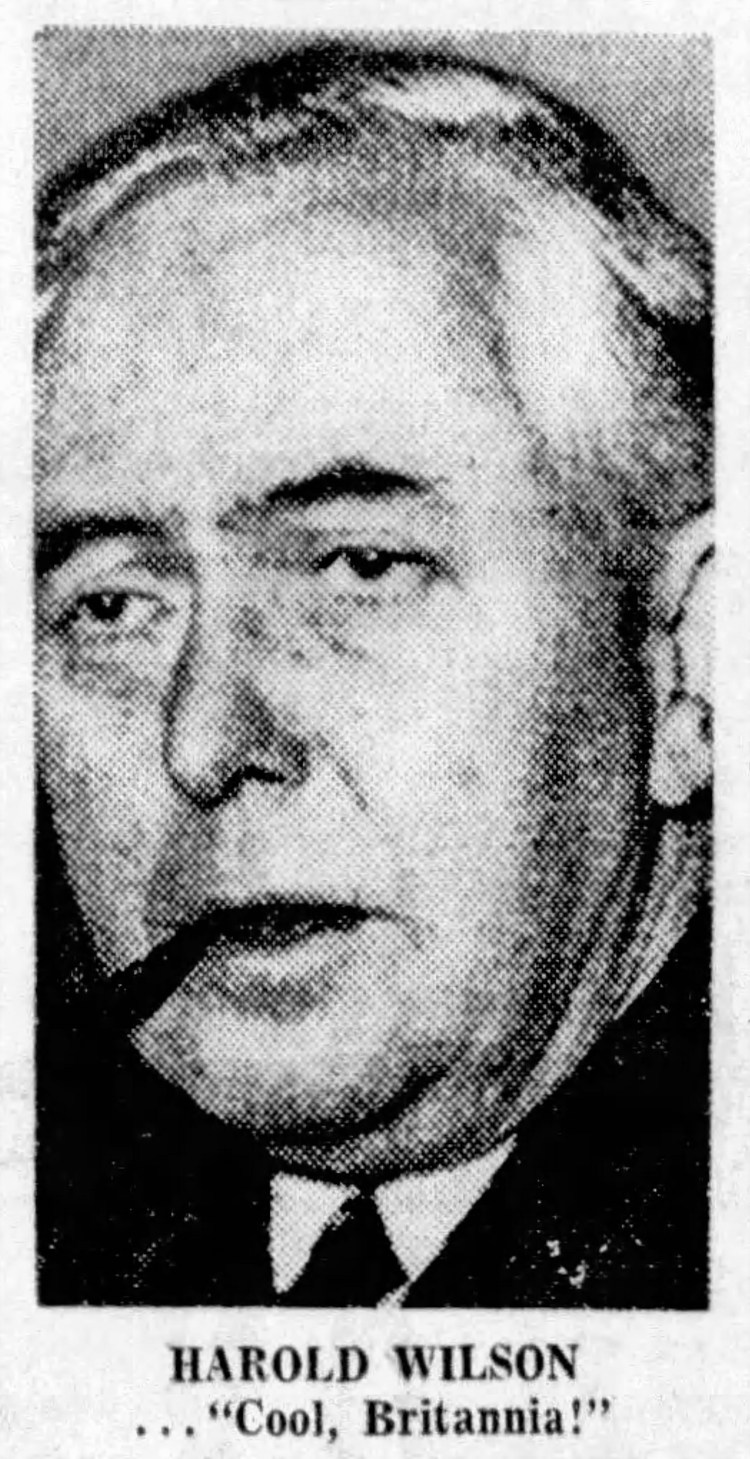
the early uses of ‘cool Britannia’ and their meanings

2nd Dec 2018.Reading time 15 minutes.

UK and Canada, from 1903 onwards—punningly alludes to ‘Rule Britannia’ (1740), the title of a popular patriotic song

Read More

meaning and origin of the phrase ‘like a dog with two tails’

29th Nov 2018.Reading time 7 minutes.

USA, 1822—extremely pleased, delighted—alludes to the belief that a dog wags its tail as a sign of pleasure or happiness

Read More
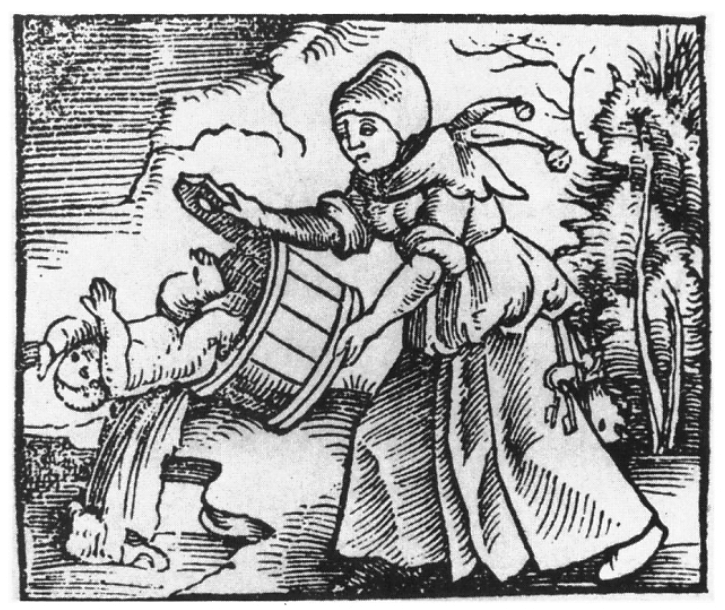
the German origin of the phrase ‘to throw the baby out with the bathwater’

23rd Nov 2018.Reading time 13 minutes.

mid-19th century—loan translation from German ‘das Kind mit dem Bade ausschütten’ (to empty out the child with the bath), early 16th century

Read More

Posts navigation

Older Posts
Newer posts
Creative Commons License
All posts by word histories are licensed under a Creative Commons Attribution-NonCommercial-NoDerivatives 4.0 International Licence.

Search this blog

Enter your email address to follow this blog and receive notifications of new posts by email.

Join 884 other subscribers.
Follow word histories on WordPress.com

Categories

arts Australia & New Zealand etymology French/English linguistics literature media music public affairs religion symbolisms uncategorised United Kingdom & Ireland USA & Canada

Main Tags

animals Australia Christianity dictionaries drinks economics food human body Ireland judicial Latin military newspapers & magazines phrases politics slang sports & games theatre United Kingdom USA

links

  • Académie française
  • Australian newspapers, magazines and journals, books, and other formats
  • British and Irish newspaper archive
  • Chronicling America: Historic American Newspapers
  • CNRTL (Centre national de ressources textuelles et lexicales)
  • Collins Dictionary
  • Dictionaries of the Scots Language / Dictionars o the Scots Leid
  • Dictionary of South African English
  • English, French and Latin dictionaries
  • Gallica (bibliothèque numérique de la Bibliothèque nationale de France)
  • Irish newspaper archive
  • Lexilogos (a comprehensive set of resources for the study of the languages of the world)
  • Llyfrgell Genedlaethol Cymru / The National Library of Wales
  • Merriam-Webster Dictionary
  • New-Zealand and Pacific newspapers, magazines and journals, books, and other formats
  • Newspaper archive
  • The Australian National Dictionary
  • U.S. newspaper archive

  • Subscribe Subscribed
    • word histories
    • Join 884 other subscribers.
    • Already have a WordPress.com account? Log in now.
    • word histories
    • Subscribe Subscribed
    • Sign up
    • Log in
    • Report this content
    • View site in Reader
    • Manage subscriptions
    • Collapse this bar
This website uses cookies. By continuing, you agree to their use. Learn more, including how we use cookies and how you can change your settings.
 

Loading Comments...