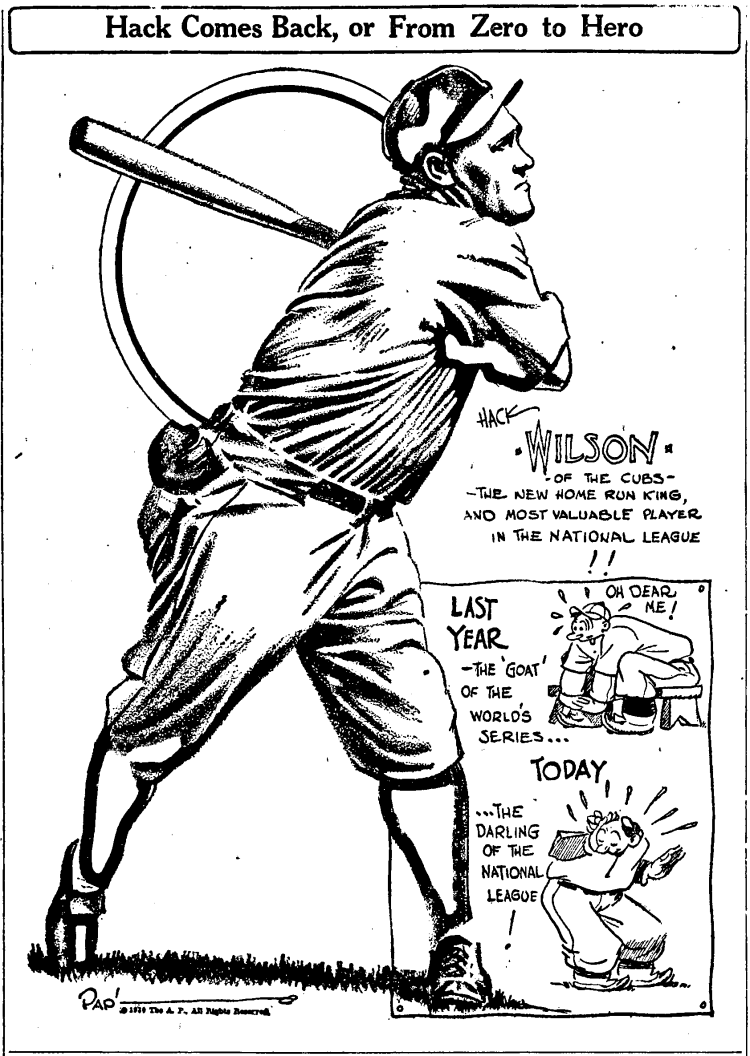
USA—(1893) ‘to go from zero to hero’: to experience a sudden increase in popularity or success, especially having previously been in a position of low achievement or esteem—(1899) ‘to go from hero to zero’: to suffer a sudden decline in popularity or success
1758—humorous exclamation expressing surprise, excitement, etc.—‘star’: a badge in the shape of, or ornamented with, a star, worn as part of the insignia of an order of knighthood or of chivalry—‘garter’: the badge of the highest order of English knighthood, i.e., the Order of the Garter
1747—a small outlay or risk ventured in the hope or expectation of a significant return—a metaphor from fishing, in which sprats are used as bait to catch larger fish—in early use with the words ‘salmon’ and ‘herring’ instead of ‘mackerel’
Scotland, 1806—to make a determined effort to achieve something, whether ending in success or failure—refers to the making of spoons out of the horns of cattle or sheep, which was common in Scotland till late in the 19th century
Northern England—a filled or open sandwich—originally (1827): a slice of bread spread with butter—composed of ‘butt-’, from the noun ‘butter’, and the suffix ‘-y’, forming diminutive nouns
USA, 1812—UK, 1818—the name of a character proverbially said to have been so great a liar that he was expelled from Hell—hence, frequently in ‘a bigger liar than Tom Pepper’, and variants: an outrageous liar
Lancashire, England, 1833—a faggot, a meatball, “a compound of onions, flour, and small pieces of pork” (The Liverpool Echo, 20 August 1880)—probably one of the common dishes humorously named after daintier items of food
UK, 1929—‘glad and sorry’ denotes hire purchase, i.e., a system by which one pays for a thing in regular instalments while having the use of it—the image is that the hire-purchaser is at the same time glad to have the use of the merchandise and sorry to still have to pay for it

 word histories