‘not to know whether one is Arthur or Martha’
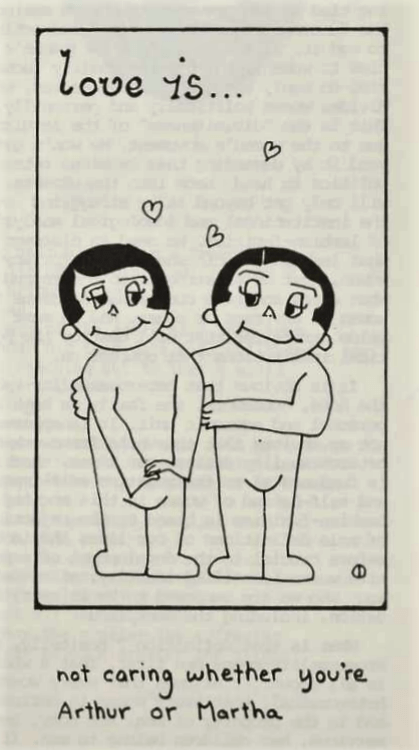
Australia, 1941—to be in a state of confusion—has come to be also used with reference to sexual orientation or gender identity
Read More
“ad fontes!”
Australia, 1941—to be in a state of confusion—has come to be also used with reference to sexual orientation or gender identity
Read MoreAustralia, 1935—meaning: ‘to deliberately ignore someone’s presence, request, etc.’—has erroneously been said to have originated in army slang during the Second World War
Read MoreAustralia, 1952—the first in line; the first in a series of people or things to arrive or appear; the first to take advantage of an opportunity—refers to cab ranks (i.e., designated areas where taxicabs line up to wait for business), which operate on a first come, first served system
Read MoreUSA, 1896—one-word form representing a colloquial pronunciation of the phrase ‘hell’s a poppin’’ (1875)—meaning: ‘events are unfolding in a chaotic manner’; ‘a state of confusion and disarray is taking hold’—the verb ‘pop’ means ‘to suddenly break open’
Read MoreUSA, 1893—utterly despicable—jocular extension of ‘lower than a snake’—refers to the use of ‘low’ to mean ‘despicable’, and to the use of ‘snake’ to denote ‘a treacherous or deceitful person’
Read MoreUK, 1796—meaning: ‘certainly’, ‘definitely’; ‘without a doubt’—US variant, 1893: ‘(as) sure as God made (little) green apples’
Read MoreAustralia, 1941—‘apples’ is used in phrases such as ‘everything’s apples’, meaning ‘everything is all right’—perhaps from ‘apple-pie order’—may have originated in the Australian armed forces’ slang during World War II
Read MoreUSA—‘a cold day in July’ 1881—‘a cold day in hell’ 1906—those phrases refer to an impossibly distant time or to an extremely unlikely scenario
Read MoreNorth-American colonies, 1737—to walk in a swerving, unstable manner—especially used of an inebriated person’s gait—refers to ‘Virginia fence’, denoting a fence consisting of sets of wooden rails that interlock in a zigzag fashion
Read More1906—a familiar name jocularly given to a fanciful deity reputed to be in command of the weather—especially occurs in the phrase ‘send it down, Hughie!’, used to ask that deity to send the rain down from the heavens—also, in the surfers’ lingo: the god of the waves
Read More word histories