‘to get caught with one’s hand in the cookie jar’: meaning and history
to get caught doing something wrong, unauthorised or illegal—USA, 1933
Read More
“ad fontes!”
to get caught doing something wrong, unauthorised or illegal—USA, 1933
Read Moredangerously or uncomfortably close or near—USA, 1827
Read More(chiefly humorous): a non-specific or hypothetical person, or a person whose name is unknown, forgotten or withheld—Australia, 1902—apparently an arbitrary formation
Read MoreUSA, 1871—is used of any incentive or reward that is perpetually promised but never actually delivered—refers to a sign displayed as an advertisement for a barber’s shop
Read MoreUSA, 1889—is used of any incentive or reward that is perpetually promised but never actually delivered—refers to a sign displayed as an advertisement for a pub
Read More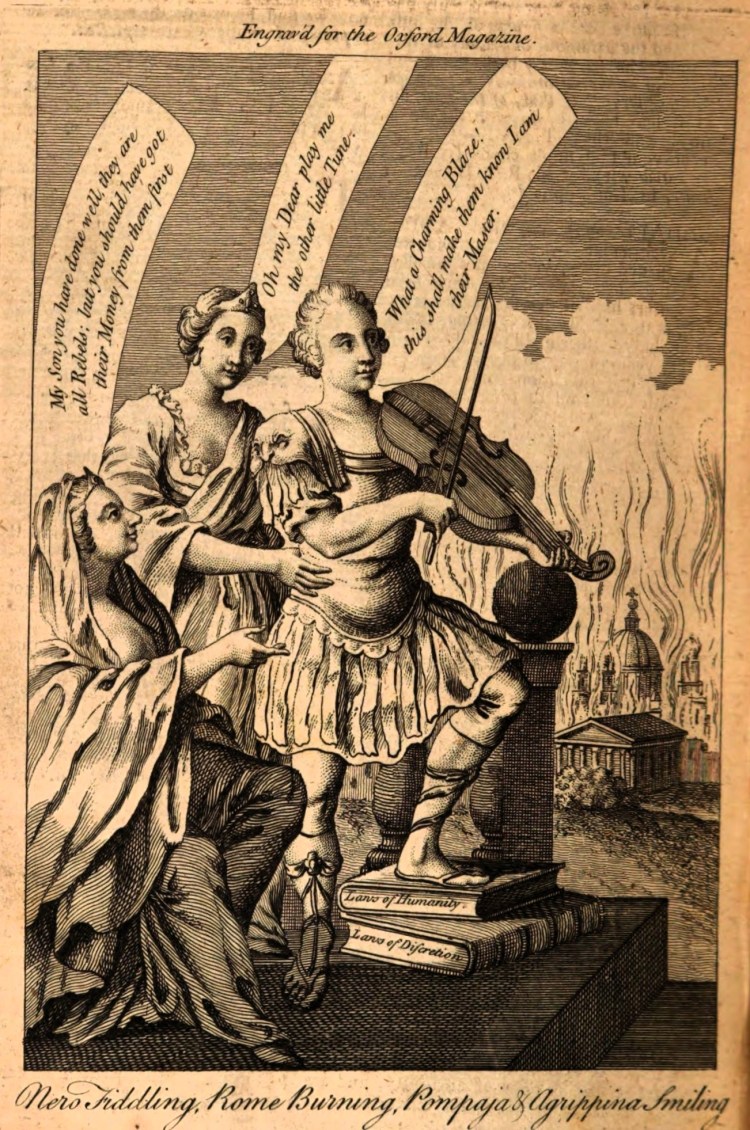
UK, 1770—as ‘Nero fiddled whilst Rome was burning’, in a swipe at King George III, by John Horne
Read More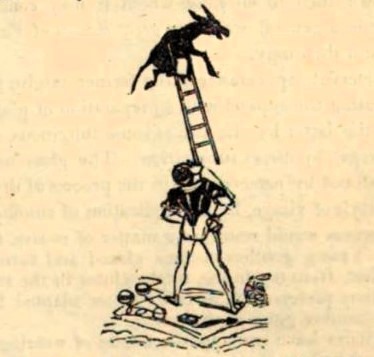
UK, 1834—an old cry used at fairs, the showman promising his audience that as soon as enough pennies are collected, his donkey will balance itself on the top of a ladder
Read Morethe alleged duty of the white peoples to bring their civilisation to other peoples regarded as backward—USA, 1865—in early use, often referred to the relations between European Americans and African an Americans
Read MoreSierra Leone, a former British colony in West Africa, and, by extension, equatorial West Africa in general—UK, 1833—refers to the high mortality rate among white colonisers of the region
Read More1945—originally referred to anti-fascist committees in Germany at the end of, and immediately after, World War II—from German ‘Antifa’, shortened from ‘Antifaschismus’ (i.e., anti-fascism) and from ‘antifaschistisch’ (i.e., anti-fascist)
Read More
