‘to rally round the flag’: meaning and origin
(of a group) to demonstrate loyalty to the nation or to a cause, especially at a time of perceived threat—UK, 1793, as ‘to rally round the standard’
Read More
“ad fontes!”
(of a group) to demonstrate loyalty to the nation or to a cause, especially at a time of perceived threat—UK, 1793, as ‘to rally round the standard’
Read Morealso ‘dead from the chin up’—completely stupid—USA, 1870—alludes to being brain-dead
Read Moreof a person or thing: irretrievably defunct or out of date—UK, 1905—perhaps originally in allusion to ‘Diplodocus Carnegii’, named after Andrew Carnegie, who, that year, presented the skeleton of that diplodocus to the Natural History Museum of London
Read More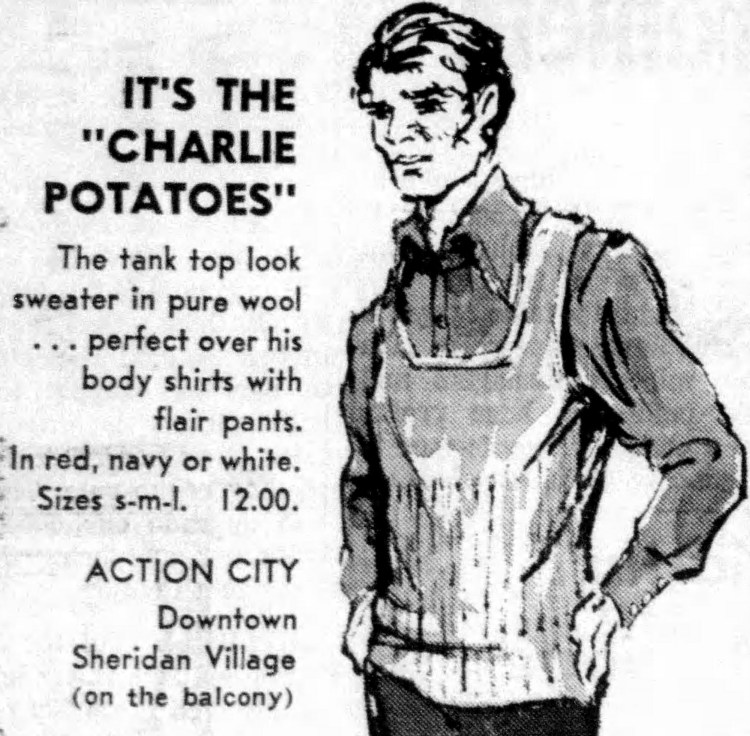
a rich and important man—USA, 1958, as ‘Charlie Potatoes’—UK, 1995, as ‘Charlie Big Potatoes’— ‘Charlie’: generic term for a man—‘potatoes’: perhaps slang for ‘money’, ‘dollars’
Read MoreUSA, 1953: a base, despicable person—from ‘scumbag’ in the sense of ‘a condom’ (here, the noun ‘scum’ is slang for ‘semen’)
Read Morehaving the lips tightly closed—hence, figuratively: uncommunicative, determinedly reticent—USA, 1942—refers to the noun ‘zip’, designating a fastening device
Read Moreto get excited, annoyed, angry—Australia, 1923—maybe based on the image of a person who, while riding a bicycle, gets provoked by another person: the cyclist would then dismount and respond to the provocator
Read Moreliterally (UK, 1803): of a firearm: equipped with a hair trigger—hence, figuratively (Ireland, 1853): reacting immediately to the slightest provocation or cause
Read MoreLSD (i.e., lysergic acid diethylamide); also other drugs—USA, 1968—alludes to the Beatles’ song ‘Strawberry Fields Forever’ (1967)
Read More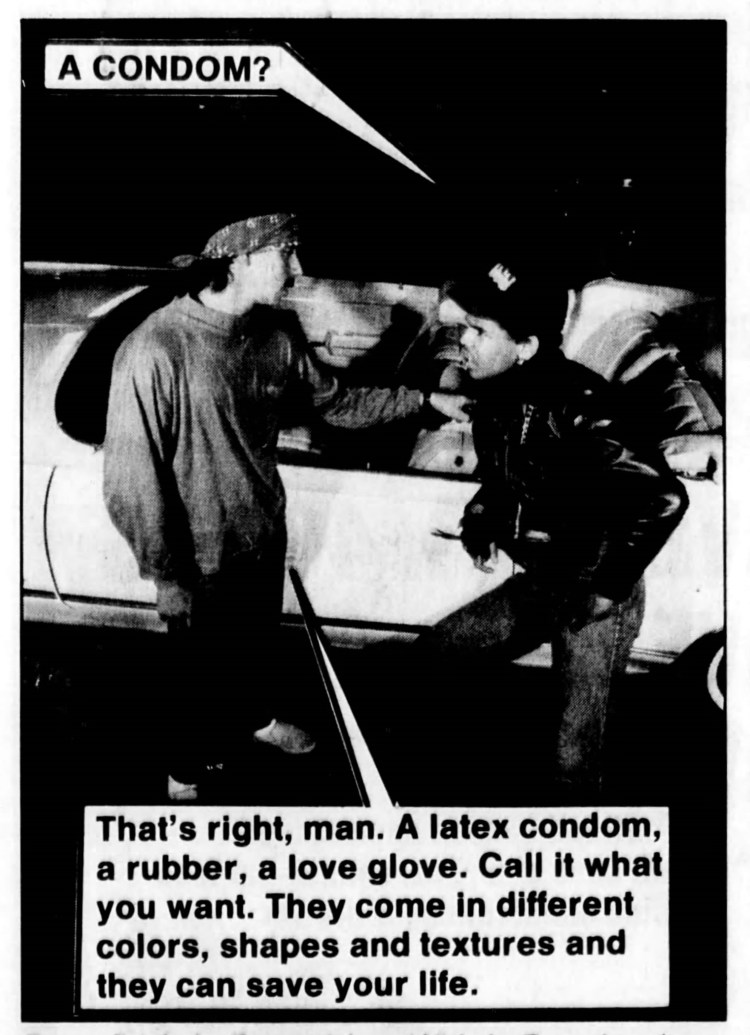
U.S. slang, 1979—a condom—based on the phonetic similarity between the two nouns that compose it
Read More
