‘the balloon goes up’: meaning and origin
the action, excitement or trouble starts—USA, late 19th century—originally alluded to the release of a balloon to mark an event
Read More
“ad fontes!”
the action, excitement or trouble starts—USA, late 19th century—originally alluded to the release of a balloon to mark an event
Read Morean event or occasion at which the expected principal participant is not present—coined after ‘Hamlet without the Prince’—‘Lear without the King’ 1904—‘Henry V without the King’ 1964
Read MoreUK, 1999—refers to ‘Waiting for Godot’, a play by Samuel Beckett—absurd phrase, since the titular character never appears in the play—always occurs in association with the phrase ‘Hamlet without the Prince’
Read More(literally) to sit at a table; (figuratively) to establish oneself firmly in a situation—‘to put one’s feet under the same table with somebody’: (literally) to sit at a table with somebody; (figuratively) to associate oneself with somebody
Read Moreevery contribution towards a goal is valuable, regardless of how small it may be—UK, 1707—in Britain, particularly associated with Tesco, which has used this phrase as its slogan since 1993
Read More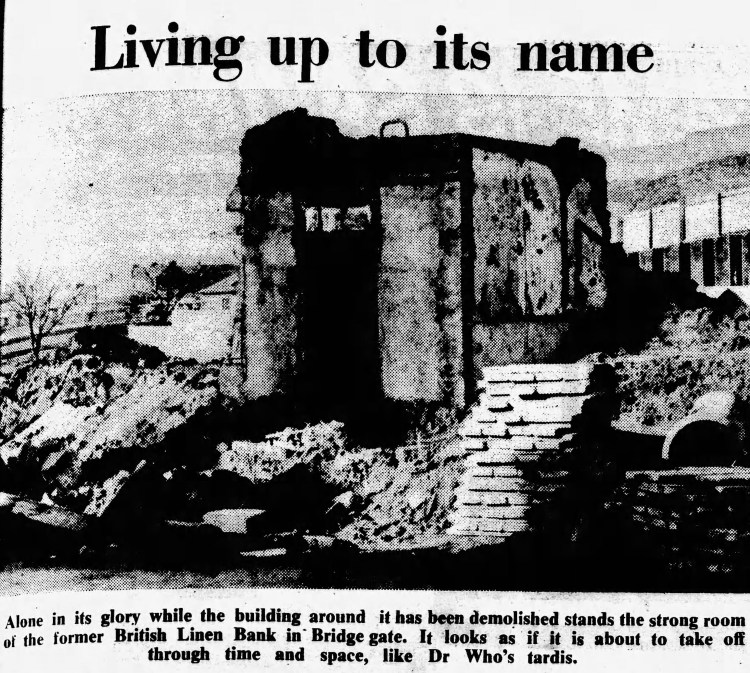
various meanings, in particular: something with a larger capacity than its outward appearance suggests—UK, 1968—the name, in TV series Doctor Who, of a time machine outwardly resembling a police telephone box, yet inwardly much larger
Read Morethe game of cricket played in the incorrect manner or improper spirit—hence, more generally, something contrary to traditional standards of fairness or rectitude—UK, 19th century
Read Morean oppressive, very confined or crowded space—UK, 1764—refers to the punishment cell at Fort William, Calcutta, in which, in 1756, the Nawab of Bengal reputedly confined British and Anglo-Indian prisoners
Read Morealso ‘to be all thumbs’—to be extremely clumsy (i.e., lacking in manual dexterity)—19th century—variants of the original phrase ‘each finger is a thumb’, already proverbial in the mid-16th century
Read More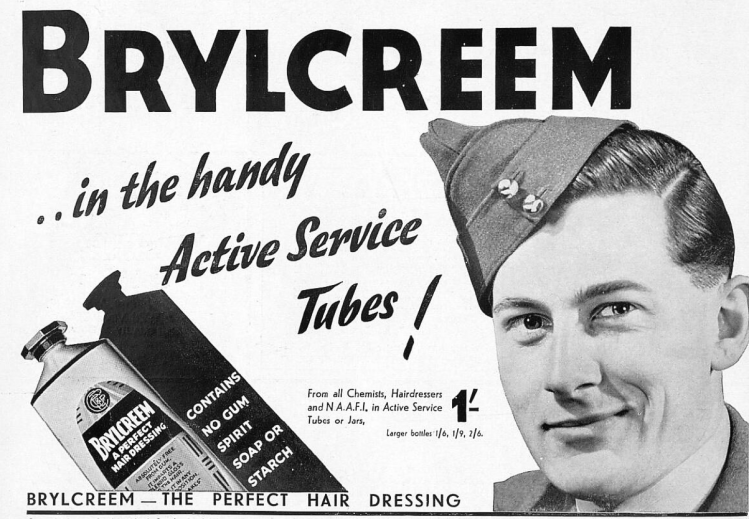
UK, 1941—a fighter pilot in the Royal Air Force; also used by the military land forces of any member of the R.A.F.—originally referred to WWII advertisements for Brylcreem hair cream, featuring a fighter pilot
Read More
