‘(as) cunning as a Māori dog’: meaning and origin
very cunning—New Zealand, 1908—‘Māori dog’: a dog of Polynesian origin; also any mongrel dog associated with Māori settlements or living in a wild state
Read More
“ad fontes!”
very cunning—New Zealand, 1908—‘Māori dog’: a dog of Polynesian origin; also any mongrel dog associated with Māori settlements or living in a wild state
Read MoreUSA, 1834—a member of a group, organisation, etc., who is so familiar as to be regarded as a permanent feature, and therefore often taken for granted
Read Morethe practice of reducing a product’s amount or volume per unit while continuing to offer it at the same price—blend of ‘shrink’ and ‘inflation’—2014—apparently coined by Pippa Malmgren
Read Moreto lose one’s temper—USA, 1913—in an internal-combustion engine, a gasket is sealing layer between adjoining surfaces—hence ‘to blow (out) a gasket’ (USA, 1874): to have a gasket come loose due to excess pressure
Read More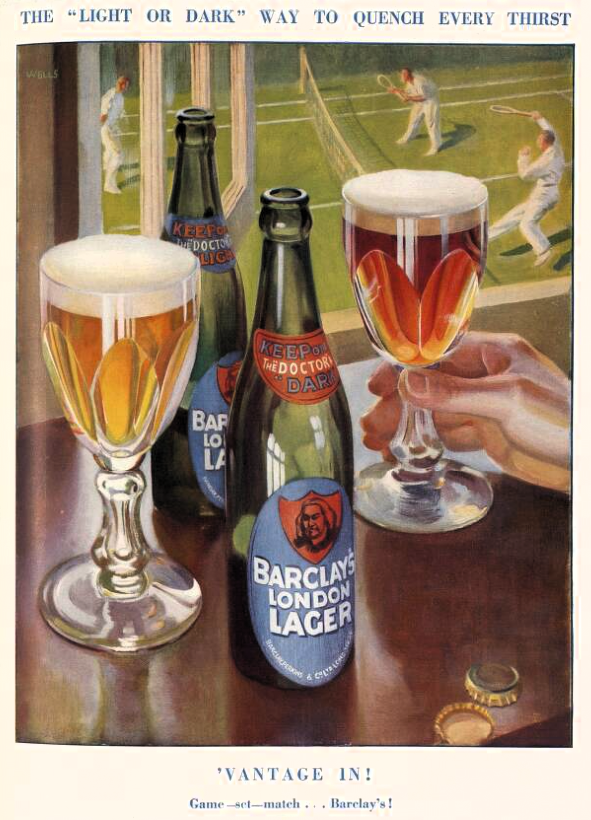
literally (UK, 1876): a victory in a tennis match, secured by winning the deciding game of the last set required to win—in extended use (UK, 1906): a complete and decisive victory
Read Morea very radical, extreme or fanatical left-wing faction within a political party or the political spectrum—USA, 1945, as ‘loony leftists’
Read MoreUSA, 1913: a minority group regarded as eccentric, extremist or fanatical, or simply stupid—but originally, USA, 1874: a woman or girl’s hairstyle in which the front is cut straight and square across the forehead
Read MoreUSA, 1927: a minority group regarded as eccentric, extremist or fanatical, or simply stupid—but originally, UK, 1873: a woman or girl’s hairstyle in which the front is cut straight and square across the forehead
Read MoreU.S. slang, 1935—a photograph of a person’s face, especially in police or other official records—from ‘mug’ (a person’s face) and ‘shot’ (a single photographic exposure)
Read Morecharacterises a person who has an insatiable appetite for something—especially in ‘tiger for work’ (Australia, 1857) and ‘tiger for punishment’ (New Zealand, 1911)
Read More word histories