‘Kindertransport’ (evacuation of children from Nazi-controlled Europe)
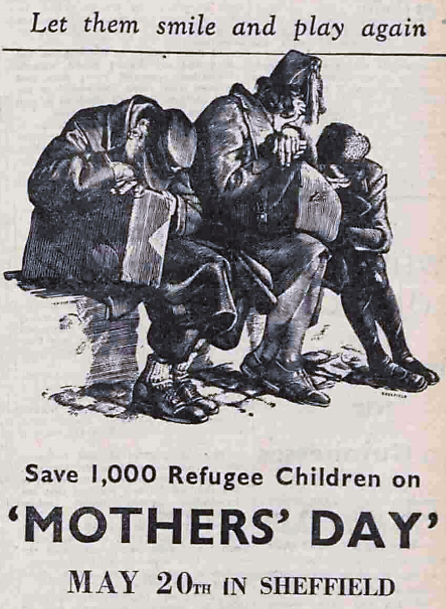
Kindertransport (from German ‘Kinder’, children): operation from 1938 to 1940 to evacuate (mostly Jewish) children from Nazi-controlled areas of Europe to the UK
Read More
“ad fontes!”
Kindertransport (from German ‘Kinder’, children): operation from 1938 to 1940 to evacuate (mostly Jewish) children from Nazi-controlled areas of Europe to the UK
Read More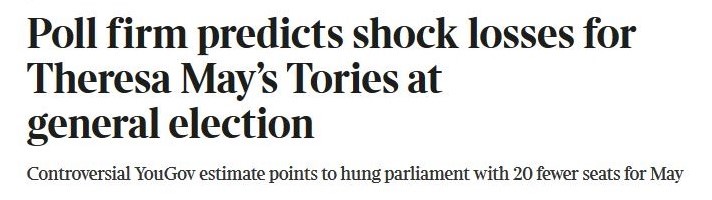
In ‘hung parliament’, ‘hung’ means ‘in which no political party has an overall majority’ – cf. the US expression ‘hung jury’, where ‘hung’ means ‘unable to decide’.
Read More
The current sense of ‘jingo’ originated in a 1877 patriotic song adopted by the bellicose factions within the Conservative Party during the Russo-Turkish war.
Read More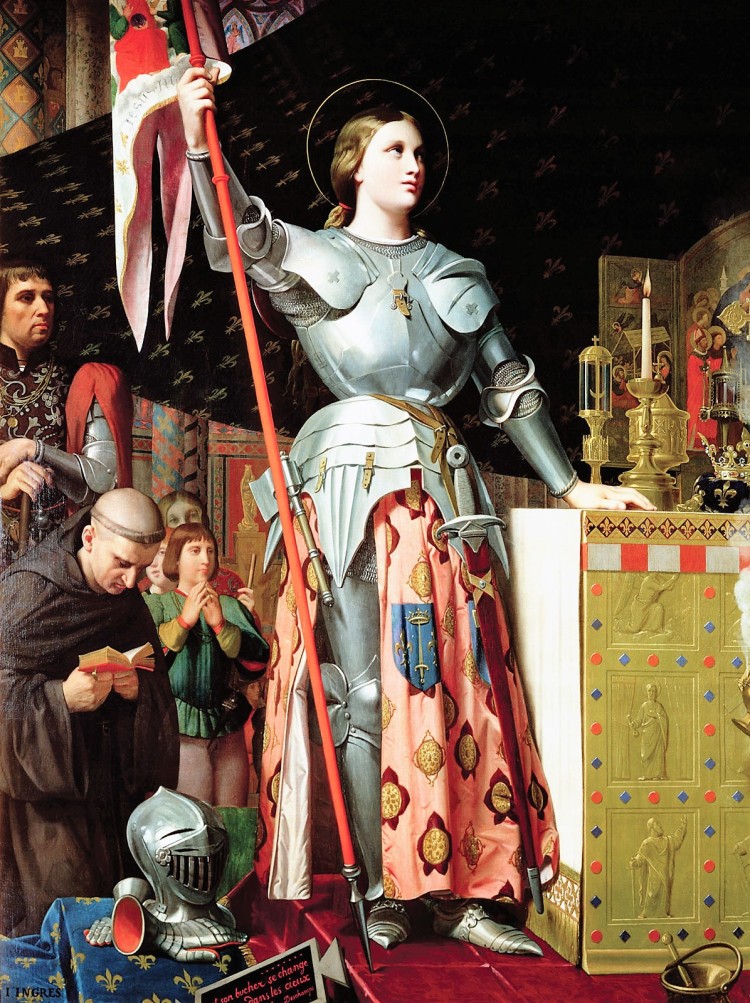
English ‘cap-a-pie’ is from ‘de cap à pied’, ‘from head to foot’, used in Occitan and in the Middle French of southern France.
Read MoreThe expression ‘esprit d’escalier’, ‘wit of the staircase’, originally referred to a witty remark coming to mind on the stairs leading away from a gathering.
Read More
‘Over the top’, which means ‘excessive’, originated as a WWI expression meaning ‘over the parapet of a trench and into battle’.
Read More
The phrase ‘(with) tongue in cheek’ originally referred to a sign of contempt or derision consisting in sticking one’s tongue in one’s cheek.
Read More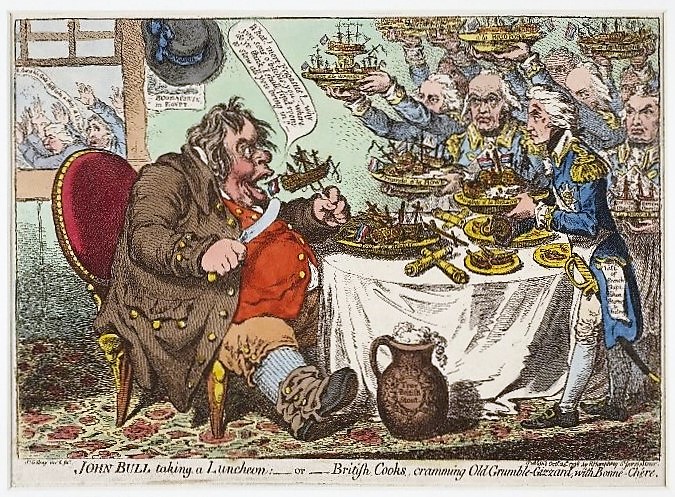
John Bull taking a Luncheon:—or—British Cooks, cramming Old Grumble-Gizzard, with Bonne-Chère. hand-coloured etching by James Gillray, published on 24th October 1798 — © Trustees of the British Museum This print was published just after Nelson’s victory at the Battle of the Nile. He is shown in the forefront of British admirals and naval heroes, serving up […]
Read More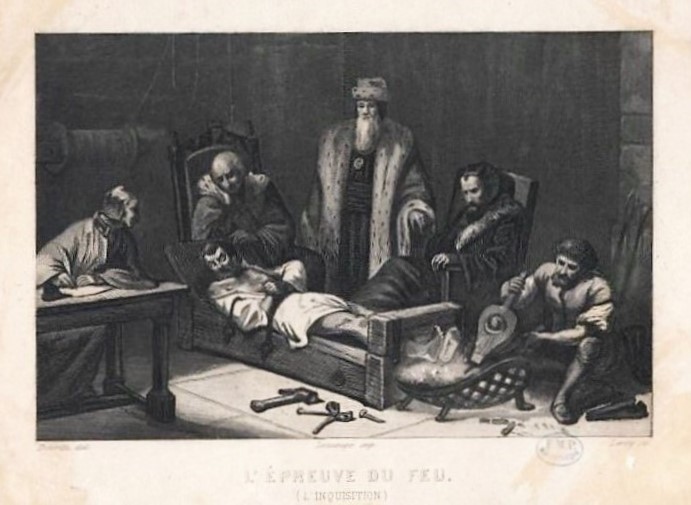
L’épreuve du feu (l’inquisition) by Devritz (painter) and Leroy (engraver) – date unknown source: BIU Santé The original meaning of the noun ordeal, from Old English ordāl, ordēl, is: an ancient test of guilt or innocence by subjection of the accused to severe pain, survival of which was taken as divine proof […]
Read MoreThe term old chestnut denotes a joke, story or subject that has become tedious and uninteresting through constant repetition. Here, the adjective old is simply an intensifier of the noun. The figurative use of chestnut originated in American-English theatrical slang. Diary of a Daly Débutante: being passages from the journal of a member of Augustin Daly’s […]
Read More word histories