the story of ‘John Lennon spectacles’
USA, 1967—metal-framed spectacles with small, round lenses—worn and popularised by the English singer, musician and songwriter John Lennon (1940-80)
Read More
“ad fontes!”
USA, 1967—metal-framed spectacles with small, round lenses—worn and popularised by the English singer, musician and songwriter John Lennon (1940-80)
Read Morefirst used on 22 September 1956 in order to stop hysterical fans from pursuing Elvis Presley at the end of a concert at Toledo
Read MoreUSA, 1931—phrase based on the phonetic similarity of the two words that compose it—implies lack of discrimination
Read More‘like a bull in a china shop’ (UK, 1802)—French equivalent with ‘elephant’ instead of ‘bull’ (1849)
Read More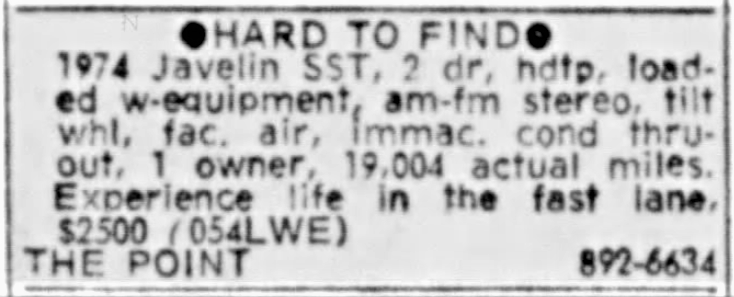
Of American-English origin, the phrase life in the fast lane denotes a glamorous or highly pressured lifestyle. It refers to fast lane, denoting a traffic lane, usually that farthest from the outer edge of a motorway or dual carriageway, intended for drivers who wish to overtake slower cars. The earliest figurative use of fast lane […]
Read Moreappeared as a London catchphrase in 1897—not from the title and refrain of an 1898 song
Read Moremeaning: everything is or will turn out all right—Scotland, 1891—‘bob’ probably related to the adjectives ‘bob’ and ‘bobbish’, meaning ‘well, in good health and spirits’
Read Moremeaning: everybody imaginable—UK, 1898 in extended form, 1899 in current form—alludes to the names listed in the Devon ballad ‘Widdecombe Fair’
Read MoreUK, 1832—‘the awkward age’: the adolescence, when one is no longer a child but not yet properly grown up, a time of life characterised by physical and emotional changes—translates in French as ‘l’âge ingrat’, ‘the thankless age’
Read Moreused to convey that something is unvaryingly familiar or drearily predictable—first recorded (USA, 1963) as the title of a song by Roger Kellaway, American jazz pianist and composer
Read More word histories