the meaning of ‘wuthering’ in ‘Wuthering Heights’
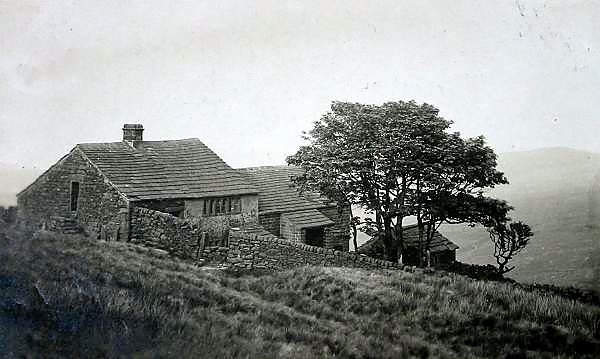
In the name of the farmhouse, ‘wuthering’ is a “provincial adjective, descriptive of the atmospheric tumult to which its station is exposed in stormy weather.”
Read More
“ad fontes!”
In the name of the farmhouse, ‘wuthering’ is a “provincial adjective, descriptive of the atmospheric tumult to which its station is exposed in stormy weather.”
Read More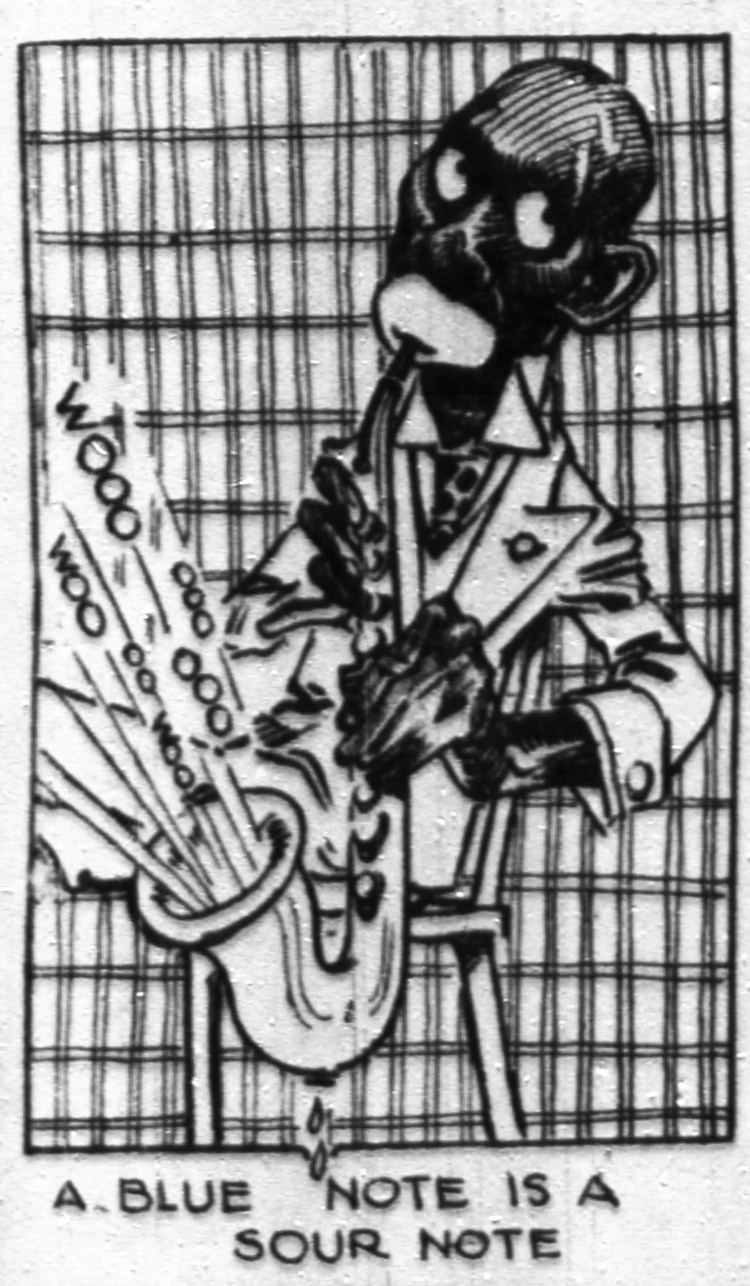
‘blues’—from ‘blue’ (‘sorrowful’) and elliptically from ‘blue devils’ (‘depression’)—originally a metaphorical use of ‘blue’ (‘bruised’), as in ‘black and blue’
Read More‘all Sir Garnet’ (late 19th cent.): highly satisfactory – from the name of Sir Garnet Wolseley (1833-1913), who conducted successful military expeditions
Read More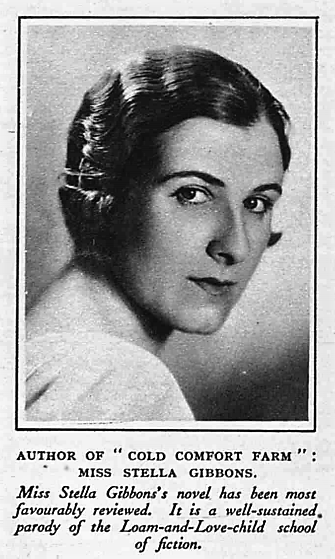
UK, 1930s—from Cold Comfort Farm (1932), by Stella Gibbons, in which a character exploits a traumatic childhood experience to exert control over her family
Read More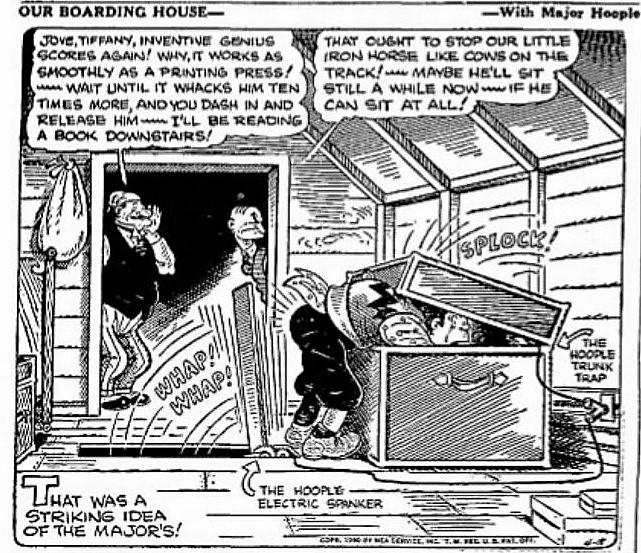
slapstick (USA): device used to make a great noise with the pretence of dealing a heavy blow, hence comedy characterised by horseplay and physical action
Read More
The noun ‘paparazzo’ is from the name of a photographer in La Dolce Vita (1960) by Federico Fellini. The choice of this name has been variously explained.
Read More
plate 19: La Trénis, Contredanse source: gallica.bnf.fr / Bibliothèque Nationale de France from the 1931 reprint of the caricatures published under the title of Le Bon Genre (1827 edition), including Observations sur les modes et les usages de Paris; the following comment about La Trénis accompanies this plate: (Année 1805.) Cette danse porte le […]
Read MoreIn the United Kingdom, especially in the mid-1950s, a Teddy boy was a young man characterised by a style of dress and appearance held to be characteristic of Edward VII’s reign (1901-10), typically a long velvet-collared jacket, drainpipe trousers and sideburns (Teddy is a pet form of Edward (VII)). The term first appeared in print […]
Read MoreThe primary meaning of the humorous pseudo-French British-English expression nul points is: a score of zero points in the Eurovision Song Contest, in which the points awarded by each country are announced in both English and French. This expression is composed of: – the French adjective nul, meaning no (that is, not one); the choice of […]
Read More
The Ranz des Vaches – from A Complete Dictionary of Music (1779) The term ranz-des-vaches denotes a type of Swiss melody, traditionally played on the Alpenhorn or sung in order to call cows scattered over the mountainside. The melody is characterised by the reiteration of short phrases and usually contains an element […]
Read More word histories