‘nepotism baby’ and ‘nepo baby’: meaning and origin
a person whose career is believed to have been advanced by having a famous or successful relative—‘nepotism baby’ (USA, 1915)—‘nepo baby’ (USA, 2022)
Read More
“ad fontes!”
a person whose career is believed to have been advanced by having a famous or successful relative—‘nepotism baby’ (USA, 1915)—‘nepo baby’ (USA, 2022)
Read Morerefer to the teenage years regarded as an age at which jeans are often worn—USA, from 1946 onwards—punningly after, respectively, ‘teenage’, ‘teenager’ and ‘teenaged’
Read More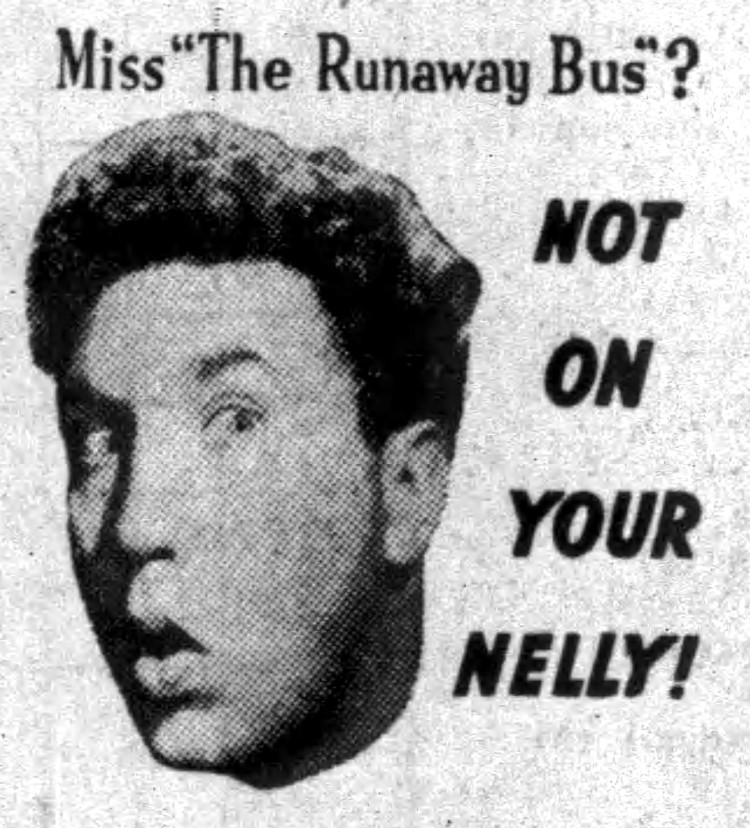
‘not under any circumstances’—Royal Air Force slang, 1942—short for ‘not on your Nelly Duff’, i.e., ‘not on your life’, ‘Nelly Duff’ being rhyming slang for ‘puff’ as used colloquially in the sense of ‘life’
Read Moreof, or relating to, or characteristic of, or resembling, Jeeves—UK, 1934—refers to Jeeves, the perfect valet in stories by P. G. Wodehouse
Read More
UK, 1981—a pair of spectacles with an oversized frame of a style that was fashionable in the 1980s—refers to the spectacles worn by Deirdre Barlow, a fictional character in the soap opera Coronation Street
Read More
has been colloquially used to express a great variety of notions, in particular ugliness and madness, but also unpleasantness, unpredictableness, agitation, disturbance, etc.
Read MoreUSA, 1954: a person who talks excessively—USA, 1964: a person who is addicted to talk radio—from ‘talk’ and the suffix ‘‑aholic’, forming nouns designating a person who is addicted to the thing, activity, etc., expressed by the first element
Read More
‘to spread [something or someone] like Marmite’ (1964)—‘like Marmite, a little goes a long way’ (1970)—Marmite is a savoury paste made from concentrated yeast and vegetable extract, used as a spread and for enriching soups and stews
Read More
1973—someone or something that polarises opinions by provoking either strongly positive or strongly negative reactions, rather than indifference—proprietary name for a savoury paste made from yeast and vegetable extract, which is either loved or hated
Read Morenotoriously used of the Beatles by John Lennon in an interview published in the Evening Standard (London, England) of 4 March 1966—but had been used earlier, for example in 1927 of Charlie Chaplin
Read More word histories