‘scenester’: meaning and origin
1974: a person who tries to fit into a particular cultural scene—1970: an actor who performs a minor role in a stage play—from ‘scene’ and the suffix ‘‑ster’, forming agent nouns
Read More
“ad fontes!”
1974: a person who tries to fit into a particular cultural scene—1970: an actor who performs a minor role in a stage play—from ‘scene’ and the suffix ‘‑ster’, forming agent nouns
Read More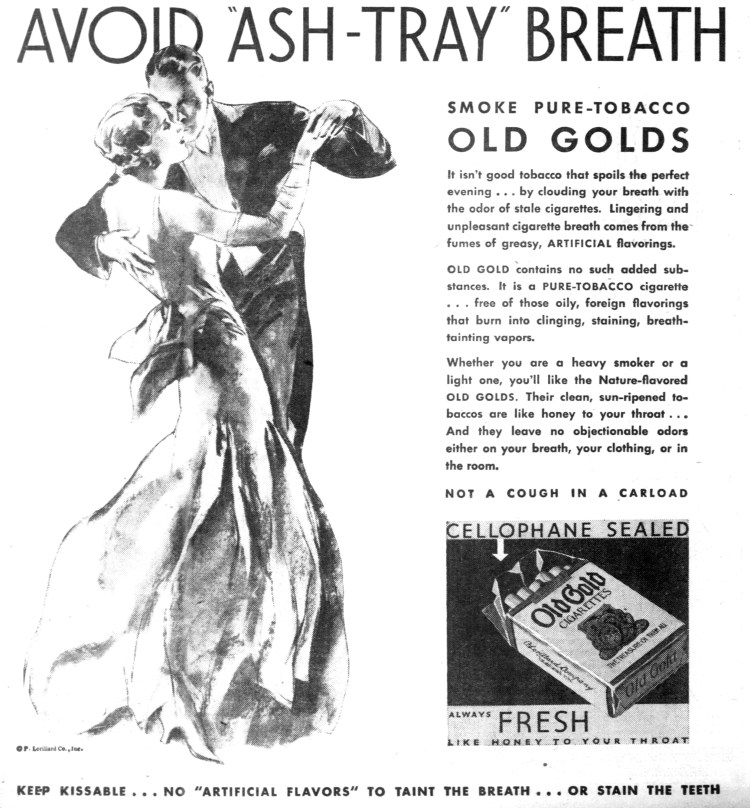
foul-smelling breath caused by smoking—USA, 1931, in advertisements for Old Golds, a U.S. brand of cigarettes
Read More1988, Australia & USA—apathy, indifference or mental exhaustion arising from exposure to too much information—especially stress induced by the attempt to assimilate excessive amounts of information from the media, the Internet or at work
Read MoreUSA, 1969—the action or process of becoming or being made plain, ordinary, uninteresting or insipid—from the adjective ‘bland’ and the suffix ‘‑ification’, forming nouns of action
Read More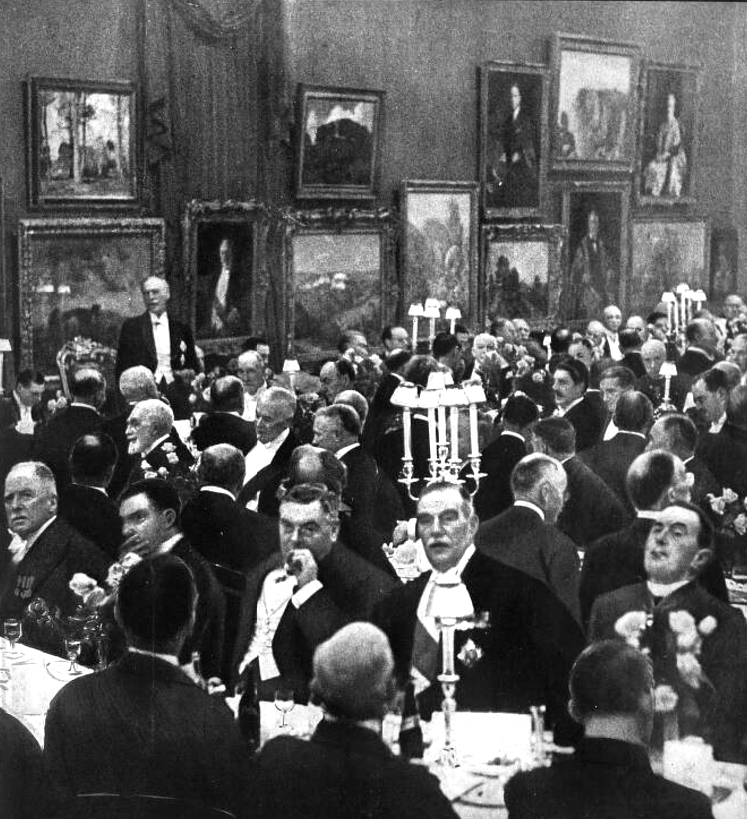
UK, 1929—a small camera for taking informal photographs of persons, usually without their knowledge—earlier occurrences (UK & USA, from 1907 to 1924) are often of unclear meaning
Read MoreUSA, 1943—a mattress, a pillow, pyjamas, etc., advertised as ensuring a good night’s sleep
Read More
UK, 1993—derogatory—Sky Television Network, regarded as downmarket—alluded to the number of satellite dishes on council houses and council tower-blocks
Read Morethe quality or fact of being from New Zealand; characteristics regarded as typical of New Zealand or New Zealanders—coined in 1967 by the U.S. Professor of Psychology Eugene Leonard Hartley
Read MoreUK, 1982—a profitable undertaking, especially one that is not strenuous or demanding—popularised by the British television series Minder (1979-1989)
Read MoreBritish slang, 1960s—‘to disappear up one’s own arse’: to become self-involved, pretentious or conceited—‘to be up one’s own arse’: to be self-involved, pretentious or conceited
Read More
