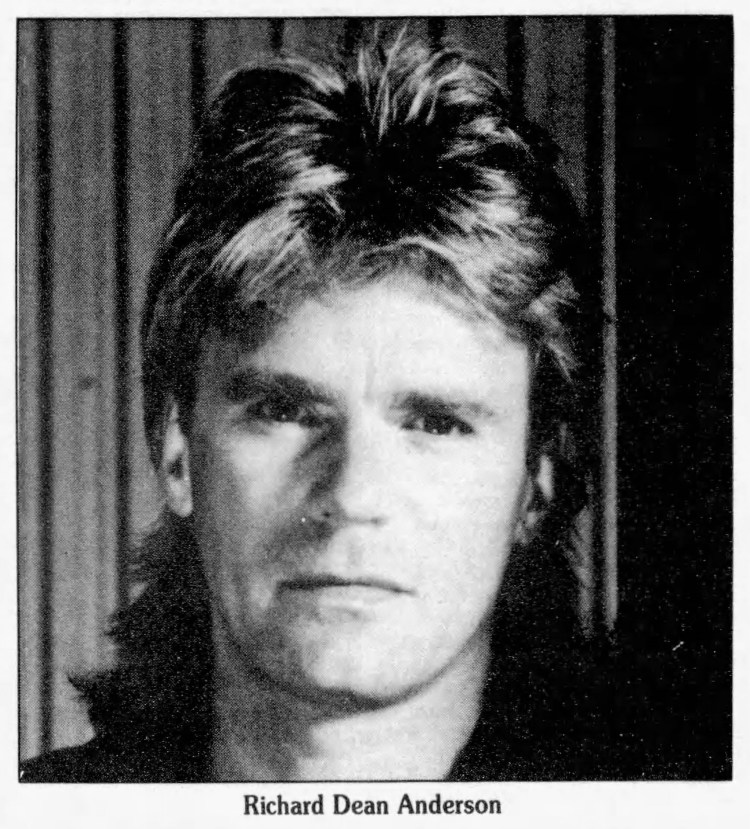
USA, 1992—to make or repair (something) in an improvised or inventive way, making use of whatever items are at hand—also used figuratively—refers to Angus MacGyver, the lead character in the U.S. television series MacGyver (1985-92)
title of a CBS television documentary first broadcast in 1966—came to be used derogatorily of any fast package-tour—gave rise to the pattern ‘(if) it’s Tuesday, this (or it) must be ——’, used of travel anywhere
‘nothingburger’: a person or thing of no importance, value or substance—‘mouseburger’: a young woman of unexceptional appearance and talents, regarded as timid, dowdy or mousy—from the use of ‘burger’ as the second element in compounds denoting types of hamburger
television programmes that are gratuitously shocking or sensational, or of poor quality—from their eliciting in the viewer a similar horrified fascination to that experienced by people watching scenes of cars crashing
conveys derisive self-congratulation for an action that the speaker has done from a sense of duty rather than for pleasure—from a line uttered by Charles Laughton in the 1933 film The Private Life of Henry VIII
Seems to have originated in a joke, first recorded in 1955, in which the Tower of London says to the Leaning Tower of Pisa: “I’ve got the time and you’ve got the inclination.”
used in 1939 by Leo Rosten about U.S. actor W. C. Fields—has been wrongly attributed to the latter—but first used by U.S. journalist Byron Darnton, according to an article of 1937
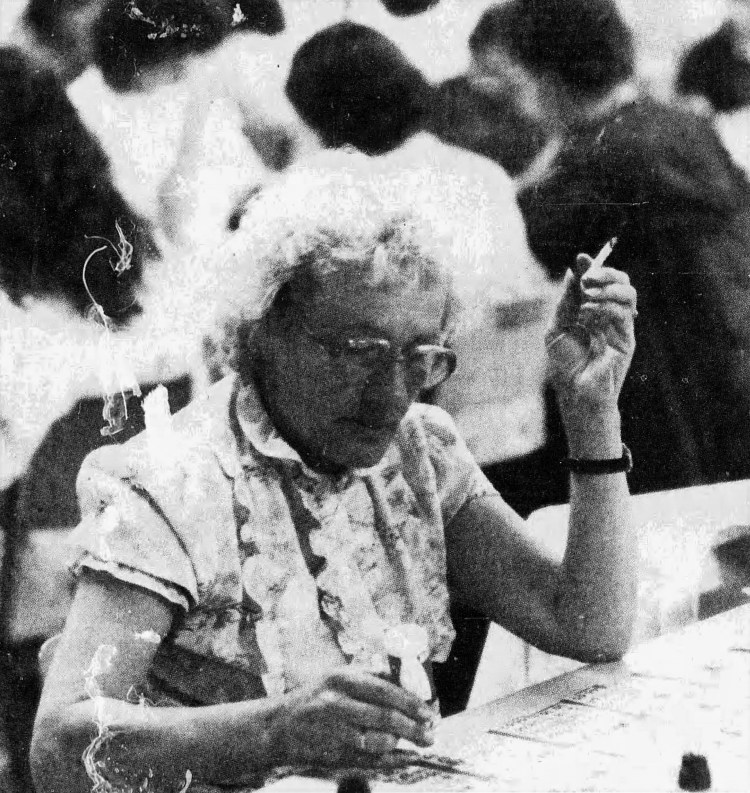
USA, 1992—the folds of loose skin or fat which hang from the undersides of a person’s upper arms—so named because they are common in older women, who are regarded as the type of person most likely to play bingo




 word histories