‘amour fou’: meaning and origin
uncontrollable or obsessive passion—French phrase introduced in the 1960s as a theme of drama, prose narrative and cinema
Read More
“ad fontes!”
uncontrollable or obsessive passion—French phrase introduced in the 1960s as a theme of drama, prose narrative and cinema
Read More
a deliberate malapropism punning on ‘I resent that remark’—USA, 1940
Read More
U.S. slang, 2005—a gesture consisting in placing one hand on top of the other and wiggling the thumbs, made to reduce embarrassment
Read More
the demand that an extraterrestrial makes to the first human being or animal it encounters after alighting from its flying saucer—USA, 1956—from a cliché in science-fiction stories
Read More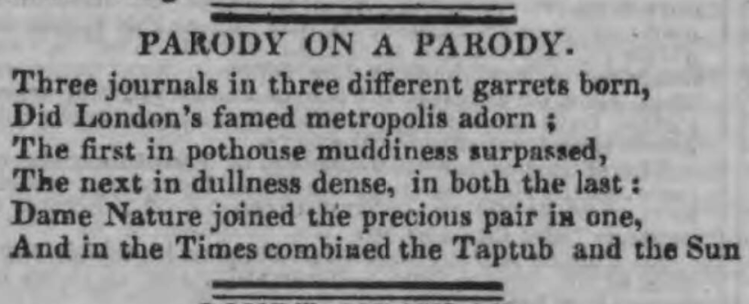
The Times: nicknamed Thunderer—the Morning Advertiser: Gin-and-Gospel Gazette, Tap-tub—The Morning Post: Jeames—The Morning Herald and The Standard: respectively Mrs Harris and Mrs Gamp
Read Morea person regarded as good-natured but also not ‘bright’ intellectually—UK, 1981—Australia, 1982—USA, 1986
Read More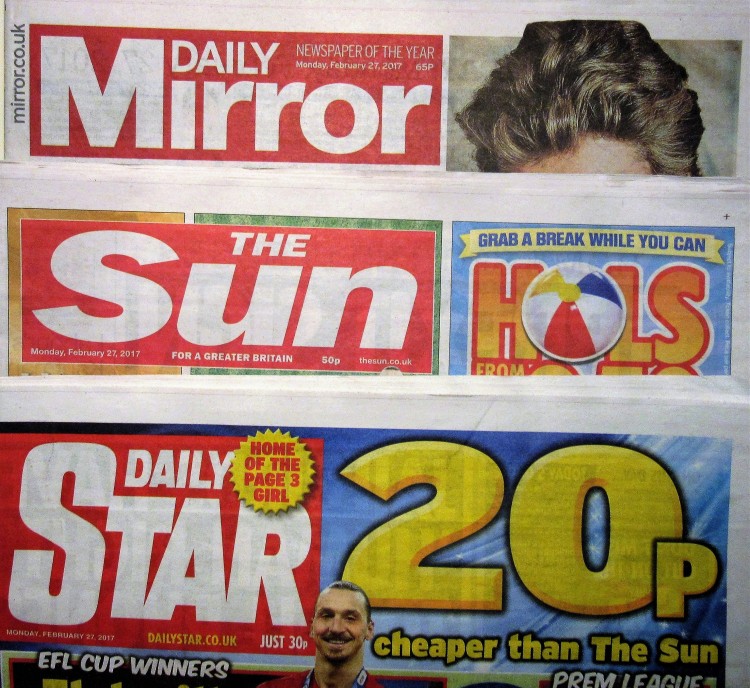
‘The Daily Telegraph’: nicknamed ‘Torygraph’ for its adherence to Conservative Party—the ‘Daily Mail’: nicknamed ‘Daily Heil’ for its support for Fascists in the 1930s
Read More
a retort to ‘what’s on at the pictures?’—USA, 1924—with pun on ‘to mix cement’, refers to U.S. film actor Tom Mix
Read More
fine—USA, 1950—probably coined by comedian Jerry Lester on the late-night television variety series Broadway Open House, telecast from 29 May 1950 onwards
Read More
great vitality, enthusiasm and liveliness—UK, 1922—originally (from 1921 onwards) used in the advertisements for Kruschen Salts
Read More word histories