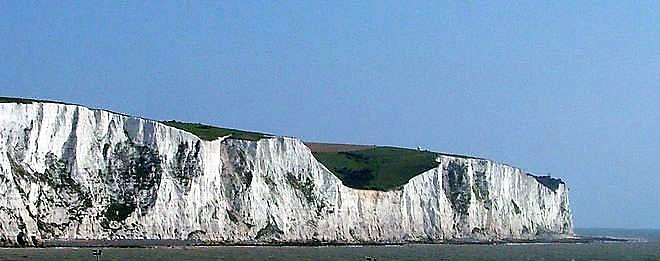
The white cliffs of Dover— to which the name Albion did not originally refer [cf. note]. (photograph: Wikimedia Commons/Fanny) The name Albion first appeared in English in the very first sentence of the first Book of the 9th-century translation of Historia ecclesiastica gentis anglorum (The Ecclesiastical History of the English People) originally written by the English monk, […]
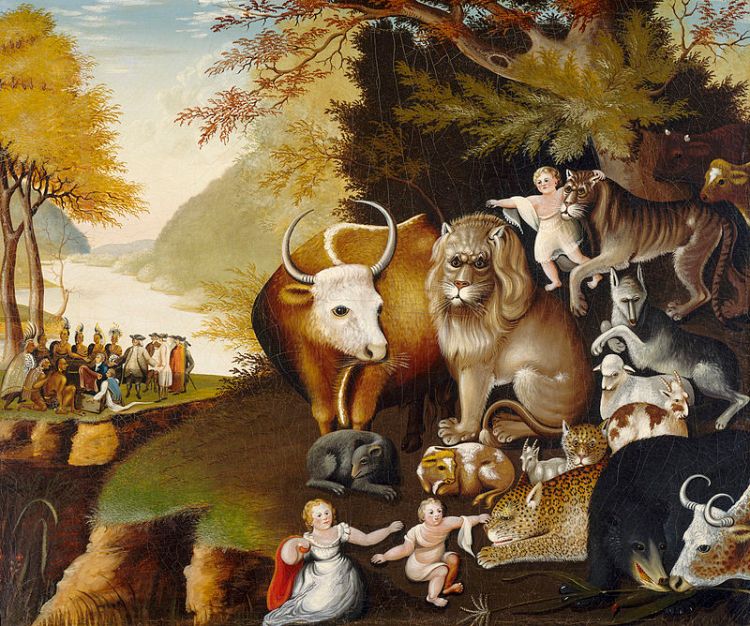
one of the versions of The Peaceable Kingdom (circa 1834), by Edward Hicks image: National Gallery of Art (Washington DC) The expression peaceable kingdom, in the sense of a state of harmony among all creatures as prophesied in the Book of Isaiah, 11:1-9, first appeared in the King James Version (1611): […]
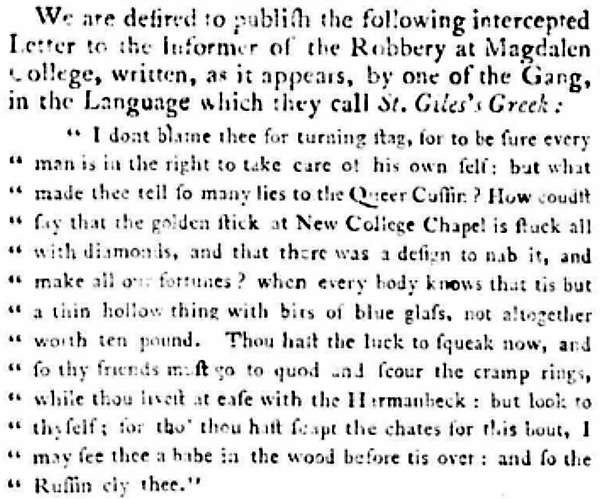
Pig meat has traditionally been a staple food; this is illustrated by this French saying: Dans le cochon tout est bon, De la queue jusqu’au menton. translation: In the pig all is good, From the tail to the chin. However, in French as in English, many pig idioms are derogatory; for example: – avoir […]
The noun Greek has long been used in the sense of unintelligible speech or language, gibberish, and the phrase it’s (all) Greek to me means I can’t understand it at all. This expression is well known from The Tragedie of Julius Cæsar (1599), by the English playwright and poet William Shakespeare (1564-1616): (Folio […]
L’astucieuse Viviane était étendue aux pieds de Merlin, by Gustave Doré (1832-1883) from Les Idylles du roi (Paris – 1868), translation of Idylls of the King by Alfred Tennyson The phrase rift in the lute means sign of disharmony between persons, especially the first evidence of a quarrel that may become worse. A rift is a crack in an object, […]
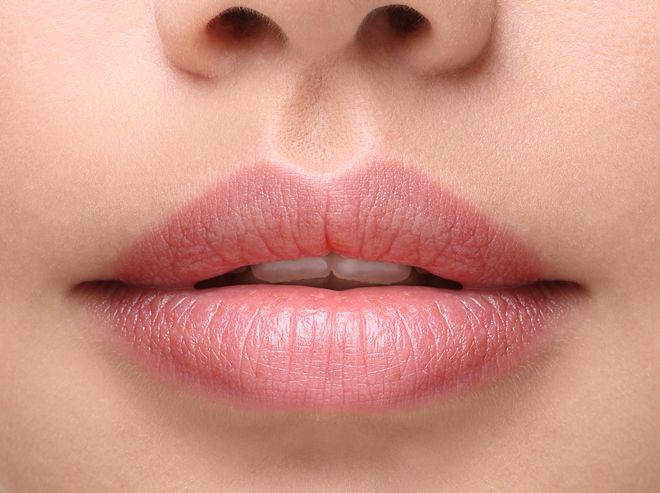
photograph: Google+ Communities The noun philtrum denotes the vertical groove between the base of the nose and the border of the upper lip. The literal and obsolete signification of this word, which appeared in the early 17th century, is love potion, from classical Latin philtrum, of same meaning. In post-classical Latin, philtrum came to also denote the dimple in the upper lip. It […]
‘To fight like Kilkenny cats’ means ‘to engage in a mutually destructive struggle’.—from the tale of two cats fighting until only their tails remained (early 19th century), which was originally meant to be nothing but amusing nonsense.
A New Song, sung by Mr. Champness in Harlequin’s Invasion from The Universal Magazine of Knowledge and Pleasure – March 1760 The phrase heart of oak denotes a person with a strong, courageous nature, especially a brave and loyal soldier or sailor, and a courageous or valorous spirit. Its literal meaning is the heartwood of the oak. The heartwood […]
Maconochie Brothers was a company set up in 1873 by Archibald (1854-1926) and James (1850-1895) Maconochie. (Maconochie is a surname derived from the Gaelic Macdonochie, the son of Duncan.) With food processing plants on the Isle of Dogs (London), in Lowestoft (Suffolk), in Fraserburgh (Aberdeenshire, Scotland) and other places, the company was a wholesale provision merchant and manufacturer of pickles, potted meat and […]
In this expression, the noun poke denotes a bag, a small sack. It is from Anglo-Norman and Old Northern French forms such as poke and pouque, variants of the Old French forms poche and pouche — the last of which is the origin of English pouch. (Incidentally, English pocket is from Anglo-Norman poket, pokete, diminutive forms of poke.) The expression to buy a pig in a poke simply cautions against buying or accepting […]