‘Hamlet without the Prince’: meaning and origin
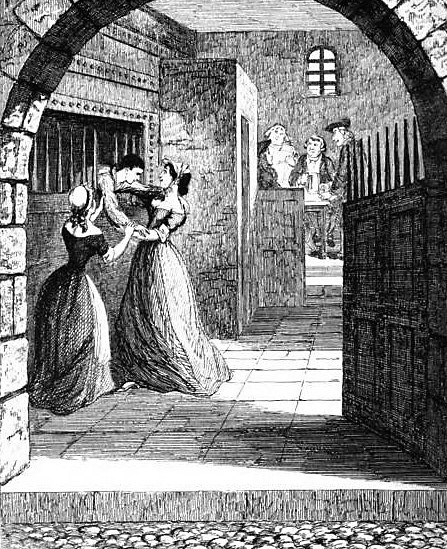
event taking place without the central figure—from an alleged performance of Hamlet in 1775 with the title role left out because the chief actor had fled
Read More
“ad fontes!”
event taking place without the central figure—from an alleged performance of Hamlet in 1775 with the title role left out because the chief actor had fled
Read More
‘keep your hair on’ (British, late 19th century): perhaps from the image of pulling one’s hair out, or one’s wig off, in exasperation, anger or frustration
Read More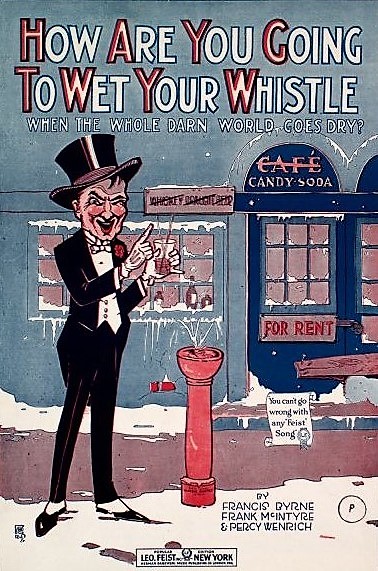
In ‘to wet one’s whistle’ (to take a drink), attested in the late 14th century, in Chaucer, ‘whistle’ is jocular for the mouth or the throat.
Read More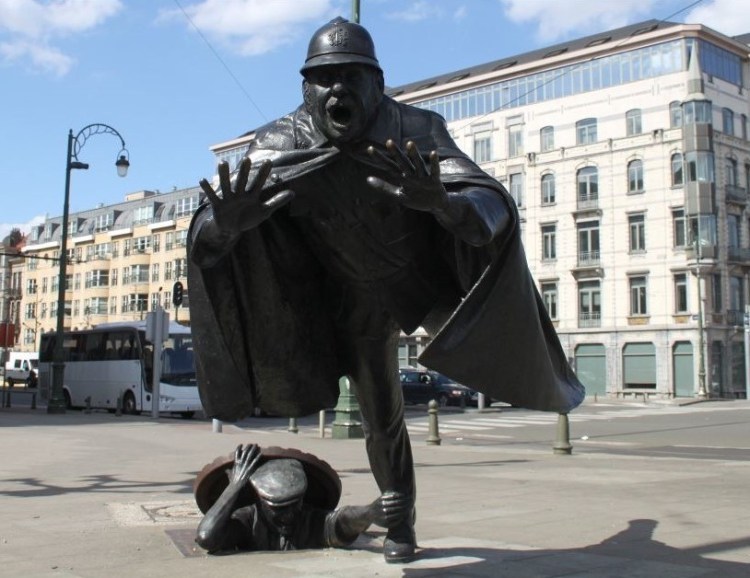
‘To pull someone’s leg’ is perhaps from the image of tripping someone literally or figuratively, of putting them at a disadvantage to make them appear foolish.
Read MoreThe phrase ‘in a nutshell’ originated in a story told by Pliny of a copy of Homer’s ‘Iliad’ supposedly small enough to be enclosed in the shell of a nut.
Read More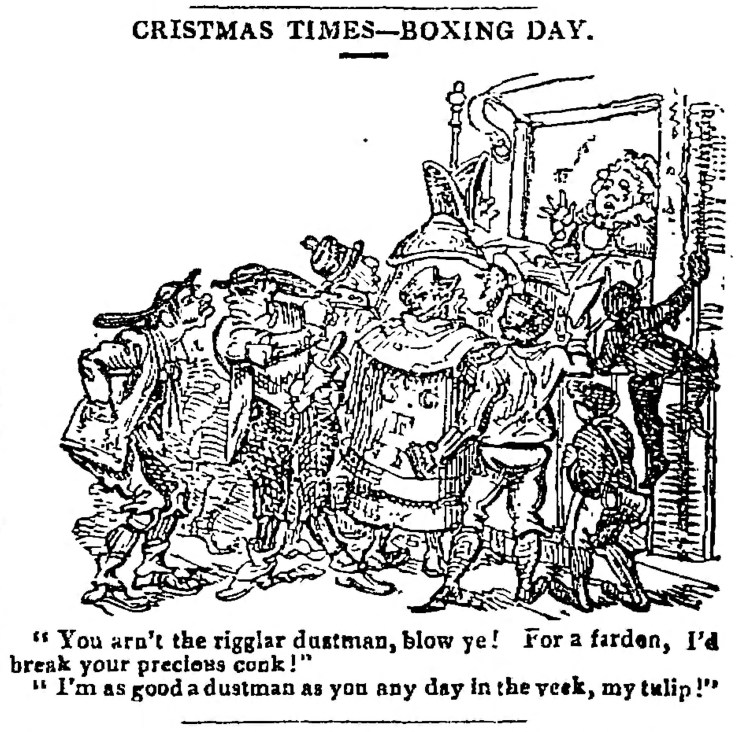
from the verb ‘box’, ‘to give a Christmas-box’, i.e. to give a gratuity or present to tradespeople and employees—originally a box in which money was collected
Read More‘The straight and narrow’: allusion to the Sermon on the Mount. ‘Straight’ is an alteration of ‘strait’, meaning ‘so narrow as to make transit difficult’.
Read More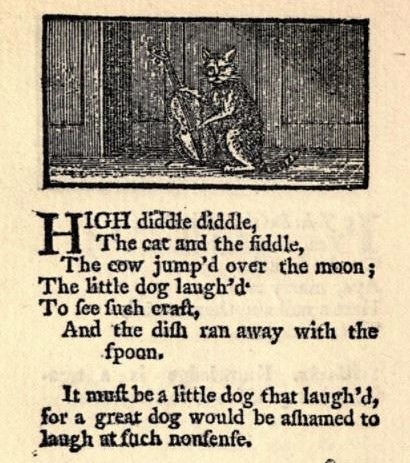
The phrase ‘over the moon’ means ‘very happy’, ‘delighted’. It seems to have originated in Ireland in the early 18th century.
Read More‘Once in a blue moon’ is a development from ‘once in a moon’, meaning ‘once a month’, hence ‘occasionally’—‘blue’ is merely a meaningless fanciful intensive.
Read More
coined by Charles Dickens in Nicholas Nickleby (1839) in a comic passage in which an insane speaker makes a series of nonsensical statements
Read More word histories