meaning and origin of ‘to cut a caper’

‘caper’: probably abbreviation of ‘cabriole’, from Italian ‘capriola’, literally ‘female roe deer’, from Latin ‘capreola’, ‘wild goat’, from ‘capra’, she-goat
Read More
“ad fontes!”
‘caper’: probably abbreviation of ‘cabriole’, from Italian ‘capriola’, literally ‘female roe deer’, from Latin ‘capreola’, ‘wild goat’, from ‘capra’, she-goat
Read MoreIn French medieval chansons de geste ‘castles in Spain’ denoted fiefs that had to be conquered from the Saracens by the knights to whom they had been granted.
Read Morefrom the image of an impossible task, ‘to set the Thames on fire’: to work wonders — typically used negatively in the ironic sense never to distinguish oneself
Read More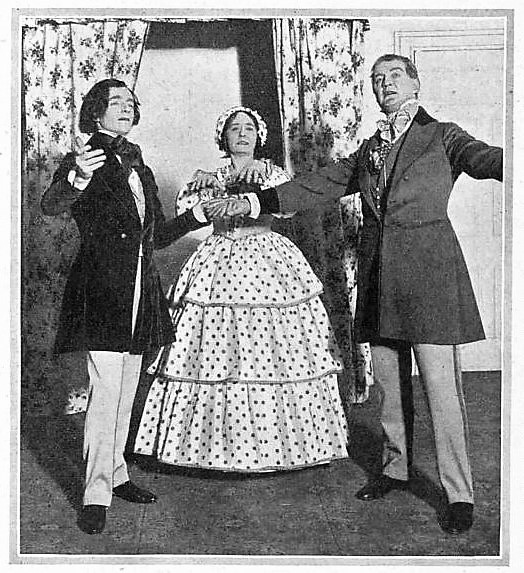
from the name of an 1847 farce in which a landlady lets out, unbeknown to them, the same room to two tenants, Box and Cox, the one by day, the other by night
Read More‘Let the cobbler stick to his last’ goes back to Pliny’s story of the Greek artist Apelles answering a cobbler who had criticised one of his paintings.
Read More
Named after Latin ‘canina litera’ (‘the canine letter’), ‘the dog’s letter’ is a name for the letter R, from its resemblance in sound to the snarl of a dog.
Read More‘madeleine’: originally ‘gâteau à la Madeleine’ (late 18th cent.), perhaps named after French cook Madeleine Paumier – refers also to Swann’s Way, by Proust
Read More‘maudlin’: tearfully sentimental – from the Middle-English name ‘Maudelen’, designating Mary Magdalene, a follower of Jesus, customarily represented as weeping
Read More
Red herring, used in laying trails for hounds to follow, was misunderstood as a deliberate attempt to distract them, hence the figurative use of ‘red herring’.
Read More
origin: USA – 2nd half of the 19th century – from the action of making a small sign of the cross over one’s heart, which sometimes accompanies the words
Read More word histories