early instances of ‘butterfly kiss’
‘Butterfly kiss’ appeared in the second half of the 19th century to designate the act of lightly sweeping a person’s cheek with one’s eyelashes.
Read More
“ad fontes!”
‘Butterfly kiss’ appeared in the second half of the 19th century to designate the act of lightly sweeping a person’s cheek with one’s eyelashes.
Read More
The word ‘folklore’ was coined in 1846 by the British author William John Thoms, inspired by Jacob and Wilhelm Grimm’s anthology of German fairy tales.
Read More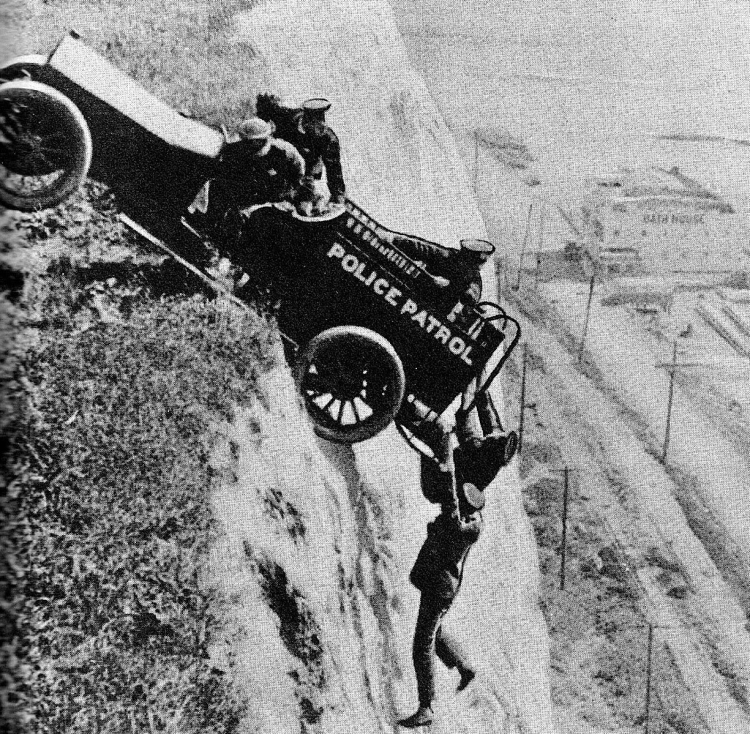
In cinematography, ‘to cut to the chase’ is to cut to a chase scene, hence to cut to an interesting or fast-paced part of a film, deleting less exciting scenes.
Read More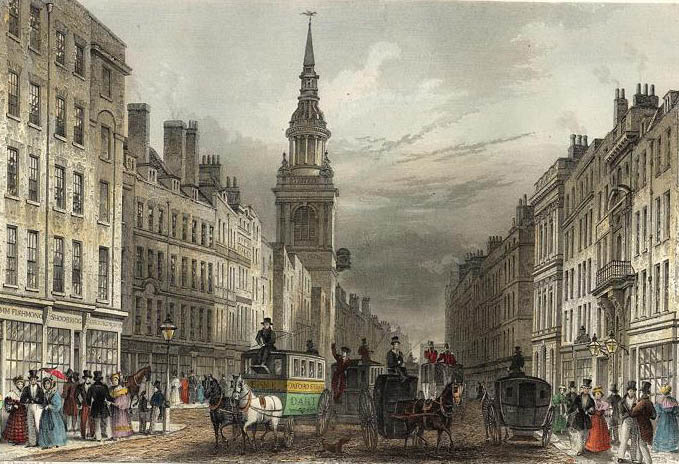
originally ‘pampered child’, later ‘town-dweller regarded as affected or puny’—origin uncertain—probably not the same word as ‘cokeney’, literally ‘cock’s egg’
Read More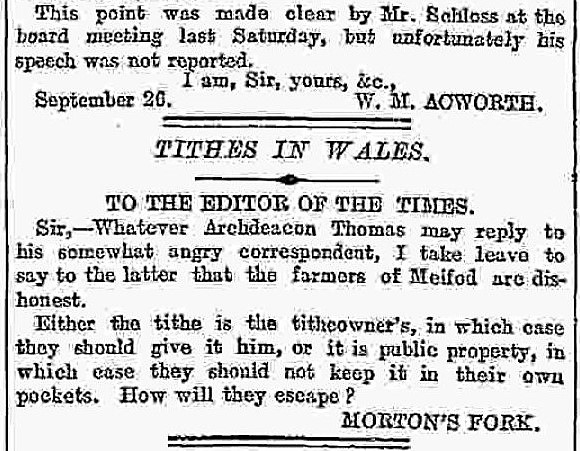
an argument said to have been used by John Morton in levying forced loans: a person living well was obviously rich; one living frugally must have savings
Read Moreearly 19th century—probably a jocular application of ‘forty’ as an indefinite term for a large number—‘wink’ in the sense of ‘a closing of the eyes for sleep’
Read More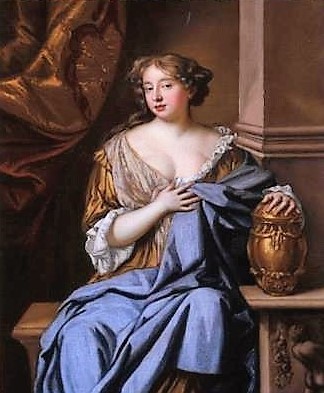
‘miss’: unmarried woman or girl; 17th cent., short for ‘mistress’—‘Ms’: title free of reference to marital status; 20th cent., blend of ‘Mrs’ and ‘Miss’
Read More
from Speed the Plough (1798), by Thomas Morton; Dame Ashfield is constantly fearing to give occasion for the sneers of Mrs Grundy, her unseen neighbour
Read More
‘something new can only be judged to be good or bad after it has been tried or used’ (‘proof’ = ‘test’)—1623, in Remaines, concerning Britaine, by W. Camden
Read More‘with minute exactness’—UK, 1693—probably a shortening of synonymous ‘to a tittle’ (1607), ‘tittle’ meaning ‘a small mark used in writing or printing’
Read More word histories