meaning and origin of ‘nothing to write home about’
USA, 1905—unremarkable or mediocre—based on the image of something that is worth writing to one’s friends or family at home about
Read More
“ad fontes!”
USA, 1905—unremarkable or mediocre—based on the image of something that is worth writing to one’s friends or family at home about
Read More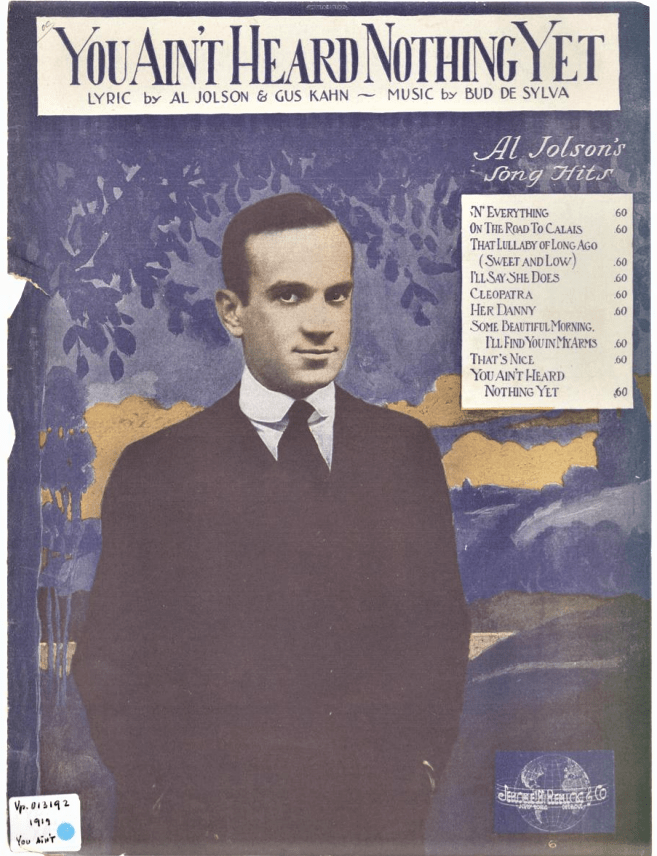
USA—‘you ain’t seen nothing yet’, 1897—‘you ain’t heard nothing yet’, first used by singer and actor Al Jolson in 1916
Read More
from the idea that it takes some pluck to put to the test the belief that a nettle stings less painfully when seized tightly than when touched lightly
Read More11 September 1906 in a letter addressed to the English novelist H. G. Wells by the American philosopher and psychologist William James
Read More1735, as ‘armed up to the very teeth’ in a translation of Alain-René Lesage’s Histoire de Gil Blas de Santillane
Read Moreconfused activity and uproar—alludes to the frequent collocation of ‘alarum’ and ‘excursion’ in stage directions in Shakespearean drama
Read MoreUSA, 1991—refers to the stereotypical perception of blonde-haired women as unintelligent
Read Morefirst attested in David Balfour (1893), by Robert Louis Stevenson—French equivalent ‘connaître comme sa/ses poche(s)’ (‘to know like one’s pocket(s)’ – 1791)
Read More1825, Anglo-Irish alteration of ‘by Jesus’—1867 as one word—‘the bejesus out of’ (1931) intensifies the action conveyed by the preceding verb
Read MoreScotland, 1749—from the idea of daring to grab a lion’s “beard” and figurative uses of ‘beard’: (verb) ‘confront’ – (noun) ‘face’
Read More
