‘someone’s blood is worth bottling’: meaning and early occurrences

a statement of praise or admiration—Australia, 1903—also used, in particular, by Irish author Brendan Behan (1923-1964)
Read More
“ad fontes!”
a statement of praise or admiration—Australia, 1903—also used, in particular, by Irish author Brendan Behan (1923-1964)
Read More
a comma immediately preceding the conjunction in a list of items—1978—named after the preferred use of such a comma in the house style of Oxford University Press
Read More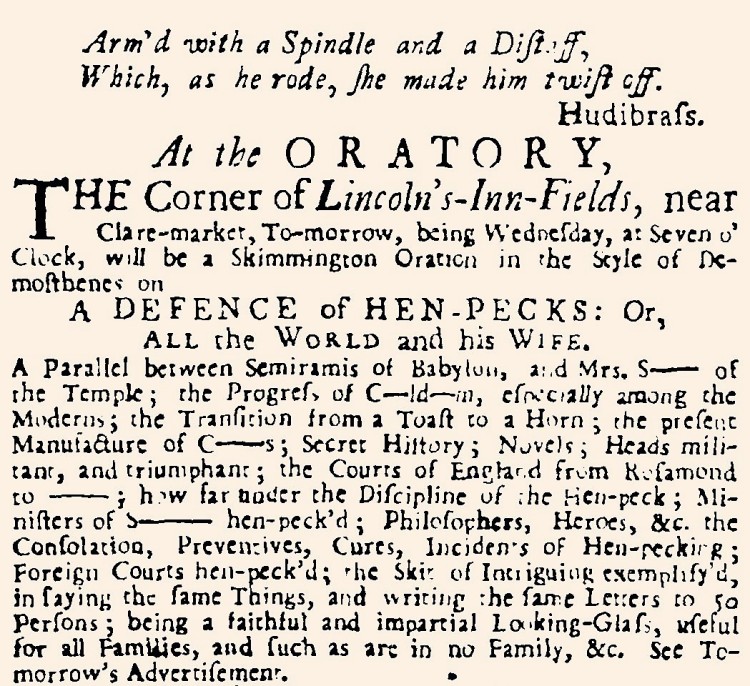
a large group of people of various kinds—UK, 1730
Read More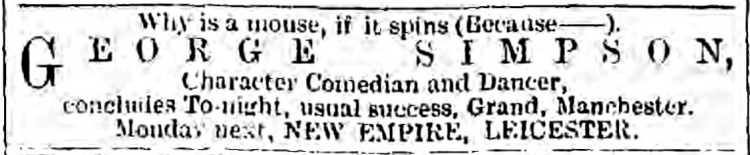
nonsensical question and answer—UK 1892—USA 1893—the question has been used to treat someone or something as unworthy of serious consideration
Read Morein a sad state, or, merely, dishevelled—USA, 1897—refers to The Wreck of the Hesperus (1840), by the U.S. poet Henry Wadsworth Longfellow
Read More
children are inclined to eavesdrop; used as a warning (“children are listening”)—USA, 1901—perhaps a modification of synonymous ‘little pitchers have big ears’
Read More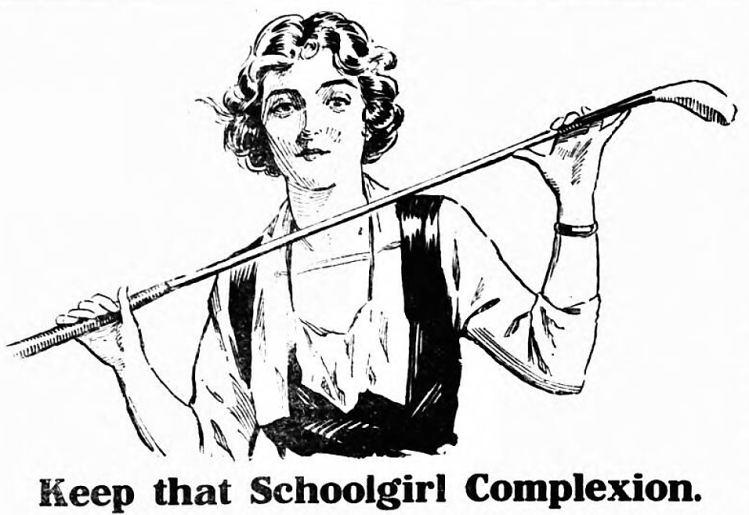
American English 1921–British and Irish English 1923—although it was already a cliché, ‘schoolgirl complexion’ was popularised by the advertising slogan for Palmolive Soap
Read More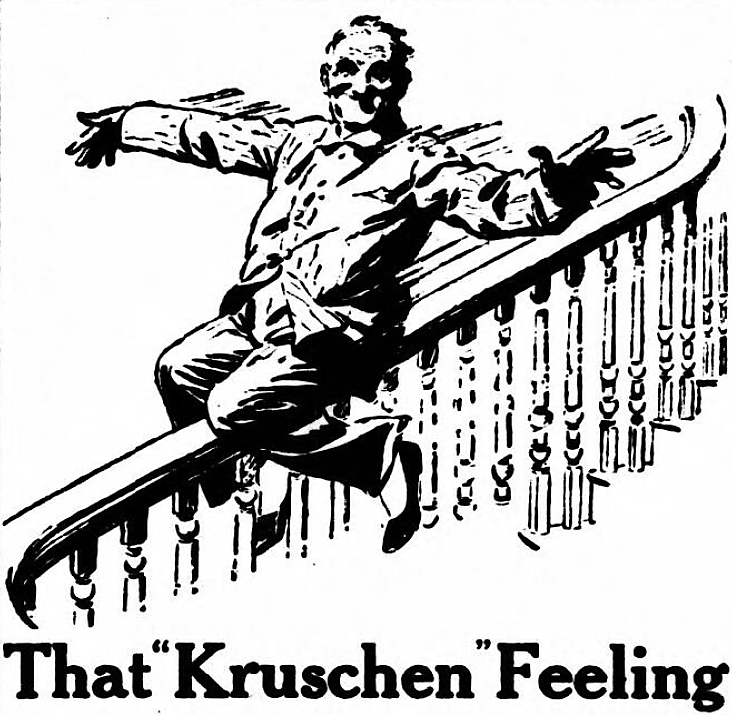
great vitality, enthusiasm and liveliness—UK, 1922—originally (from 1921 onwards) used in the advertisements for Kruschen Salts
Read Moreused to express satisfaction when a task that has called for more than usual enterprise and determination has been accomplished—UK, 1833
Read More
USA, 1887—of a child: to go to bed—‘Lilywhite’ refers to the whiteness of the bedsheets—from ‘lily-white’, meaning ‘white as a lily’, hence ‘of a pure white’
Read More
