‘wet blanket’: meanings and origin
literally (1618): a blanket dampened with water so as to extinguish a fire—figuratively (1775): a person or thing that has a subduing or inhibiting effect
Read More
“ad fontes!”
literally (1618): a blanket dampened with water so as to extinguish a fire—figuratively (1775): a person or thing that has a subduing or inhibiting effect
Read Moreused conversationally to declare, often ironically, that one shares the opinion, sentiment, predicament, etc., of the previous speaker—USA, early 20th century
Read Morereal events and situations are often more remarkable or incredible than those made up in fiction—first occurred as ‘truth is always strange, stranger than fiction’ in Don Juan (1823), by George Gordon Byron
Read Moreto use a lot of swearwords—first used in 1713 by Joseph Addison—alludes to the fact that troopers (i.e., soldiers of low rank in the cavalry) had a reputation for coarse language and behaviour
Read More1750—the non-academic inhabitants (‘town’) of a university city and the resident members of the university (‘gown’, denoting the distinctive costume of a member of a university)
Read More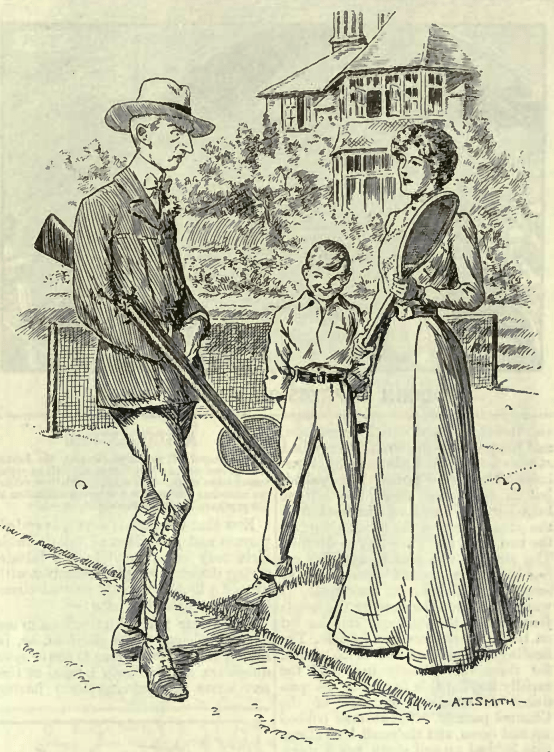
a person or thing that is insignificant or contemptible—1910—originally (1900): a type of small high-velocity shell, with reference to the high-pitched sound of its discharge and flight
Read Morescarce; infrequent; difficult to find or to come by—one early use in 1668—but popularised by the Irish author Thomas Campbell in The Pleasures of Hope (1799)
Read Moresmartly dressed—from the verb ‘fig out/up’, meaning ‘to smarten up’—this verb is probably an alteration of the verb ‘feague’, of uncertain origin, meaning ‘to make (a horse) lively’
Read Moreto embark enthusiastically on a course of action that most sensible people would avoid—coined as ‘fools rush in where angels fear to tread’ by the English poet Alexander Pope in An Essay on Criticism (1711)
Read Moreto be glad of minor benefits, especially in an otherwise unpleasant or troublesome situation—first recorded in The Heart of Midlothian (1818), by Walter Scott
Read More
