‘champers’: meaning and origin
UK, 1945—upper-class slang for ‘champagne’—from the first syllable of ‘champagne’ and the suffix ‘-ers’, used to make jocular formations on nouns by clipping them
Read More
“ad fontes!”
UK, 1945—upper-class slang for ‘champagne’—from the first syllable of ‘champagne’ and the suffix ‘-ers’, used to make jocular formations on nouns by clipping them
Read Morea drink made from black coffee and brandy, cognac or other liquor—‘royale’ means: first-rate—‘café royale’ (USA, 1882): probably a Frenchification of earlier ‘coffee royal’
Read MoreUSA, 1974, as ‘royale kir’—a drink made from champagne, or sparkling white wine, and crème de cassis—from ‘kir’ (a drink made from dry white wine and crème de cassis) and ‘royale’ (first-rate)
Read MoreUSA, 1981—adverb meaning: at one’s desk—especially used with reference to eating lunch or other meals there—humorous alteration of ‘al fresco’
Read Moredominated by a woman or by women—UK, 1809—past participle of ‘ride’, ‘ridden’ combines with nouns to form adjectives meaning: afflicted, affected or dominated by something or by someone specified
Read More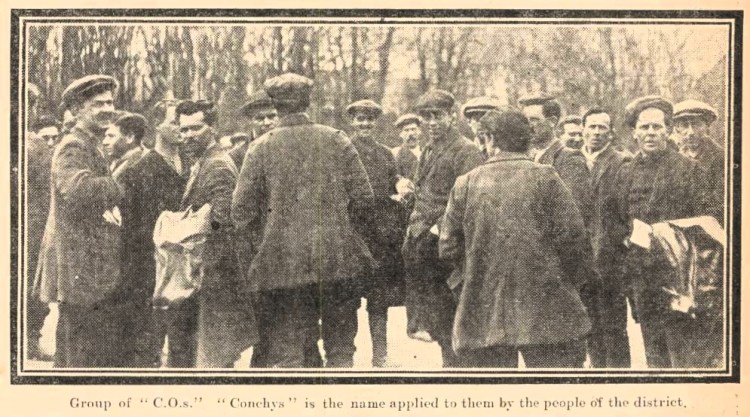
a conscientious objector—UK, 1916—from the initial syllable of the noun ‘conscientious objector’ and the suffix ‘-ie’, used to form familiar diminutives
Read MoreU.S. slang, 1908—the noun ‘beeswax’ is humorously substituted for the noun ‘business’ (i.e., things that are one’s concern), these two nouns sharing a similar-sounding initial syllable
Read More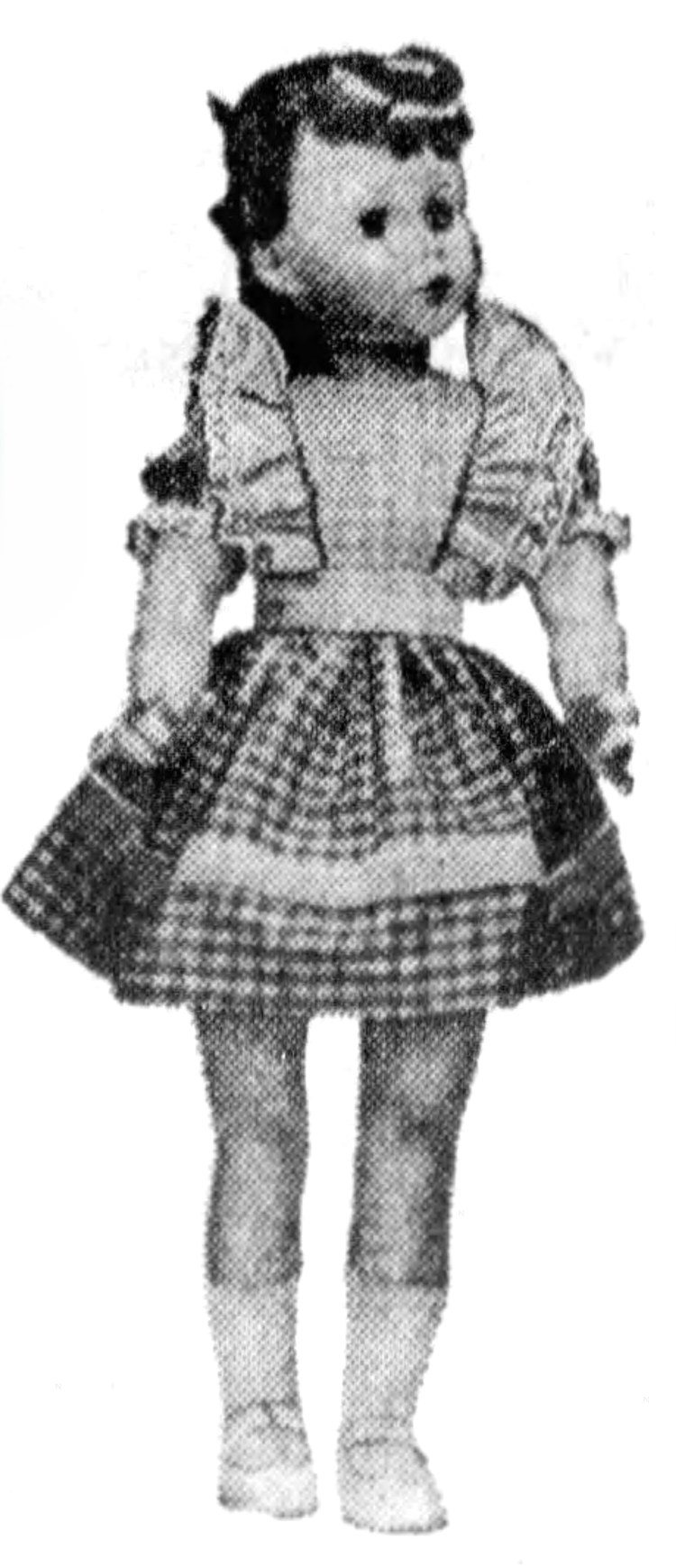
USA, 1949—a person (originally and chiefly a girl or a woman) who is especially talkative—popularised from 1960 onwards by a proprietary name for a child’s talking doll manufactured by Mattel
Read Moreto urinate—slang—2nd half of the 20th century—based on the sound /eɪn/, common to the verb, adjective and noun that compose it—‘main vein’ probably refers to the penis
Read MoreUK, 1917—‘what an idiot!’—a borrowing from French
Read More word histories