‘an iron hand in a velvet glove’: meaning and origin
1815—inner ruthlessness and determination disguised in outward gentleness and courtesy—loan translation from French ‘une main de fer dans un gant de velours’ (1814)
Read More
“ad fontes!”
1815—inner ruthlessness and determination disguised in outward gentleness and courtesy—loan translation from French ‘une main de fer dans un gant de velours’ (1814)
Read MoreUSA, 1831—very rare—since the late 17th century, the expression ‘hen’s teeth’ has been used as a type of something which is extremely rare, unattainable or non-existent
Read Morehumorous variant of ‘one man’s meat is another man’s poison’—Australia, 1872—used in particular of the opposition between flesh-eating and fish-eating in relation to the religious observance of fasting
Read Morea woman’s topless swimsuit, consisting of the lower half of a bikini—from the prefix ‘mono-’ and ‘-kini’ in ‘bikini’, reinterpreted as containing the prefix ‘bi-’—coined in 1946 by French clothing designer Louis Réard
Read More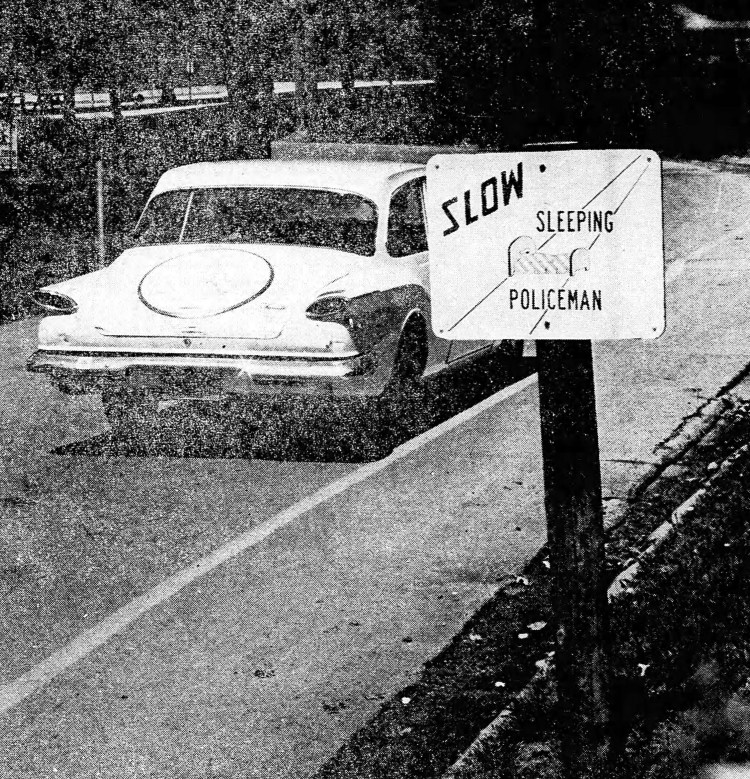
a raised band across a road, designed to make motorists reduce their speed—1961—based on the image of a policeman lying asleep in the middle of a road—in early use often with reference to Jamaica
Read MoreIn French, the concept of dependency underlies the semantic distribution of some basic lexical items: the female is strictly defined in her relation of dependency to the male, as a daughter or as a spouse.
Read Moreto discuss an essentially private matter, especially a dispute or scandal, in public—UK, 1819—loan translation from French ‘laver son linge sale en public’, originated by Napoléon Bonaparte in 1814
Read Morean impressive facade or show designed to hide an embarrassing or shabby fact or condition—1843—from the sham villages said to have been built by Grigori Potemkin to deceive Catherine II
Read Morein French contexts: a young person, especially a young man, belonging to a youth subculture of the 1950s and 1960s—UK, 1959—from the noun ‘blouson’ (a short jacket) and the adjective ‘noir’ (black)
Read Morea difficult, uncooperative or unsociable person—UK, 1829—from French ‘mauvais coucheur’, literally ‘bad bedfellow’, with original allusion to a person whom a traveller had to share a bed with when stopping over at an inn
Read More word histories