‘please the pigs’: meaning and early occurrences
meaning: if circumstances permit, if all is well—first recorded in 1683—of unknown origin
Read More
“ad fontes!”
meaning: if circumstances permit, if all is well—first recorded in 1683—of unknown origin
Read More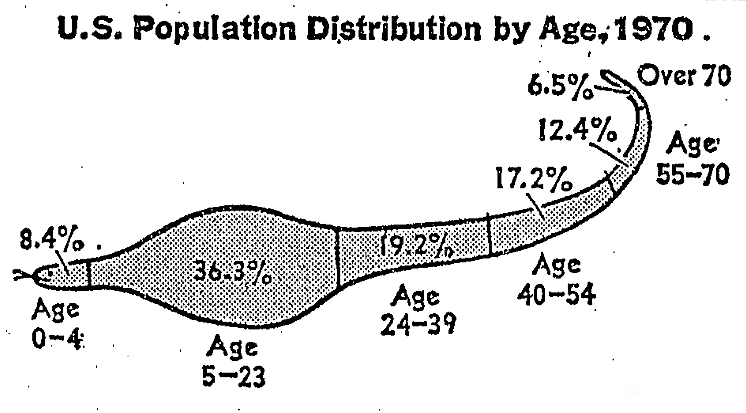
Canada, 1970—the people who were born during the ‘baby boom’ of the years immediately following WWII, considered as a demographic bulge—any short-term increase or notably large group
Read Morethe final four months of the calendar year, i.e., September, October, November and December—UK, 1863—from ‘-ember’ in ‘September’, ‘November’ and ‘December’
Read Morea reader of, or a writer in, The Guardian, seen as being typically left-wing, liberal and politically correct—UK, 1997—The Guardian is a centre-left newspaper published in London and Manchester, England
Read Moresoldiers, especially low-ranking recruits, collectively regarded as expendable in war—UK, 1740—coined by William Shakespeare in Henry IV, Part 1 (1598)
Read Moresoldiers regarded simply as material to be expended in war—‘cannon fodder’ (1847), said to have been coined after German ‘Kanonenfutter’—French ‘chair à canon’ (1814), first used in reference to Napoléon Bonaparte
Read MoreUSA, 2019, derogatory—people (regarded as elitist and pretentious) who are alert to racial or social discrimination and injustice—a blend of the adjective ‘woke’ and of the noun ‘literati’
Read Moregardening or garden design in an affected, fussily decorative or over-elaborate style; archaic and affected language—UK, 1931—alludes to “A garden is a lovesome thing, God wot!”, in My Garden (1893), by the Manx poet T. E. Brown
Read More
a vehicle which travels on a cushion of air—UK, 1958, apparently coined by engineer Christopher Sydney Cockerell—also, USA, 1958, in the sense of “a flying car”
Read More
slang—(used especially of women) lustful; sexually aroused or arousing—first recorded in The Confession of the New Married Couple (London, 1683)
Read More word histories