16th century—from the Latin adjective ‘praeposterus’, composed of the adverb ‘prae’ (‘in front’, ‘before’) and the adjective ‘posterus’ (‘coming after’, ‘following’, ‘next’), so that its literal sense is ‘next (placed) first’, ‘having first what should be coming after’.
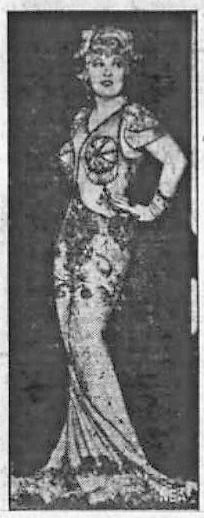
From the name of the American film actress Mae West, renowned for her generous bust, the informal noun ‘Mae West’, attested in 1940, denotes an inflatable life jacket, originally as issued to Royal Air Force aviators during World War II.
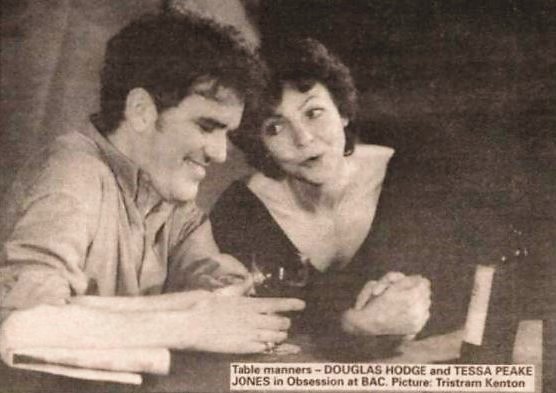
from the name of Mrs Malaprop, a character who confuses long words in The Rivals (1775), a comedy by the Irish playwright Richard Brinsley Sheridan—character named after ‘malapropos’, from the French locution ‘mal à propos’, literally ‘ill to purpose’
‘eggcorn’: alteration of a word or phrase through the mishearing or reinterpretation of one or more of its elements as a similar-sounding word—coined in 2003 on the website Language Log with reference to a misinterpretation of ‘acorn’ as ‘eggcorn’
from the 16th-century phrase ‘to set cock a hoop’, ‘to set (the) cock on (the) hoop’, apparently meaning ‘to put the cock (= spigot) on a barrel hoop and let the liquor flow prior to a drinking bout’—‘cock’ later equated with the fowl and ‘hoop’ with French ‘huppe’ (tufted crest)
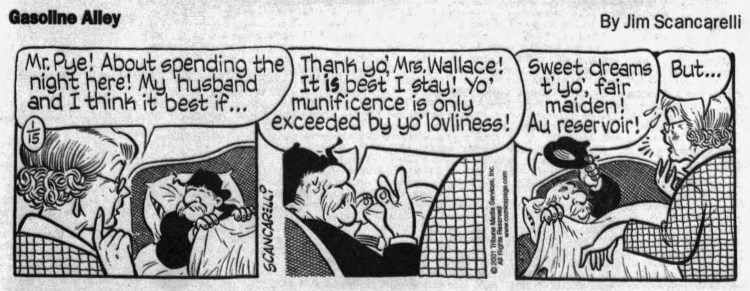
A humorous alteration of ‘au revoir’ after the noun ‘reservoir’, the exclamation ‘au reservoir’ is first recorded in Little Pedlington and the Pedlingtonians (London, 1839), by the English author John Poole (1786-1872).
First attested in 1943, the British-English colloquial phrase ‘to go (all) round the houses’ means ‘to get to the point in a lengthy or roundabout way’, from its literal sense, ‘to take an unnecessarily circuitous route to one’s destination’.
The phrase ‘all behind, like a cow’s tail’ and its variants mean ‘left behind’ and ‘late in accomplishing a task’. They appeared in print in the mid-19th century in the USA, Australia and Britain.
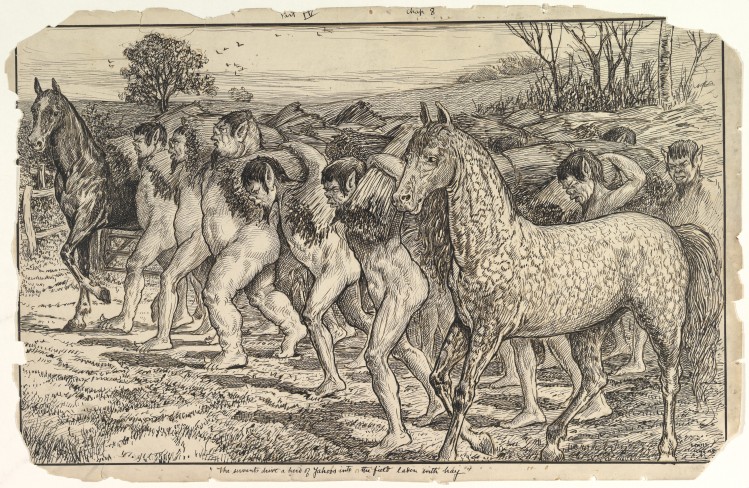
‘yahoo’: rude, noisy or violent person—word invented by Jonathan Swift (1667-1745) as the name of a race of brutish creatures resembling men in Gulliver’s Travels (1726)—came to be applied to the orang-utan
‘to take the Fifth’: to decline to reveal one’s own secrets—from ‘to take the Fifth Amendment’: to appeal to Article V of the original amendments to the U.S. Constitution, which states that “No person […] shall be compelled in any criminal case to be a witness against himself.”