USA, 1917—a method of treating a drug addict by sudden and complete withdrawal of the drug, instead of by a gradual process—alludes to the goose pimples, resembling the skin of a cold turkey, that a person experiences as a side effect of the treatment
UK, 1824—thoroughly or perfectly right—‘trivet’: a metal tripod for a cooking pot or kettle to stand on—the phrase refers to a trivet’s always standing firm on its three feet
UK, 1860—very much, very intensely—‘billy-o’ occurs only in this phrase—it is apparently composed of ‘Billy’, pet form of the male forename ‘William’, and the suffix ‘-o’, used to form slang and colloquial nouns, adjectives and interjections
UK—‘the Beast from the East’ (2011): polar continental air mass, which brings wintry conditions—‘the Pest from the West’ (2012): mild air from the Atlantic, which brings strong winds and heavy rainfalls
UK, 2005—the perceived indiscriminate and excessive use by the authorities of anti-social behaviour orders—apparently coined by Álvaro Gil-Robles, the Council of Europe’s Commissioner for Human Rights—‘Asbo’: acronym from the initial letters of ‘anti-social behaviour order’
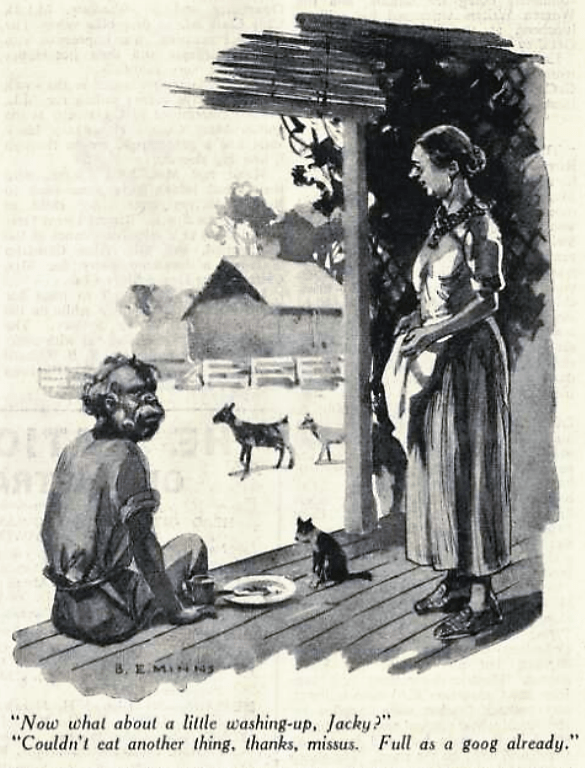
Australia, 1927—very drunk; sated with food—‘goog’, Australian-English slang for an egg, was perhaps formed on the sense of ‘gog’ in ‘goosgog’, denoting a gooseberry
UK, 1763—extremely quickly or suddenly—in all probability, the male forename ‘Jack’, pet form of ‘John’, typifies an ordinary man, and the surname ‘Robinson’ is a generic personal name
USA, 1775—to do or say something remarkable or startling—the precise underlying notion in the choice of ‘Dutch’ is not clear—‘Dutch’ occurs in a number of derogatory or derisive English phrases
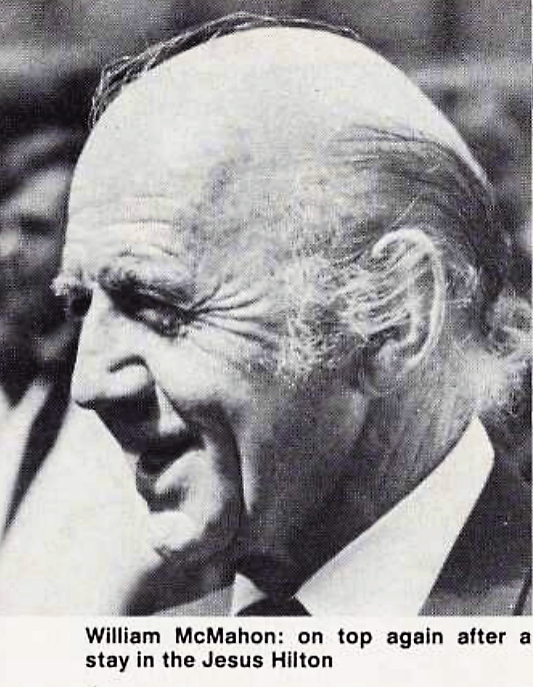
Australia—familiar name of St Vincent’s Private Hospital, Sydney—‘Jesus’ refers to the fact that the hospital is operated by a religious organisation—‘Hilton’ alludes to the hospital’s plushness

 word histories