the phrase ‘two hairs past a freckle’ and variants
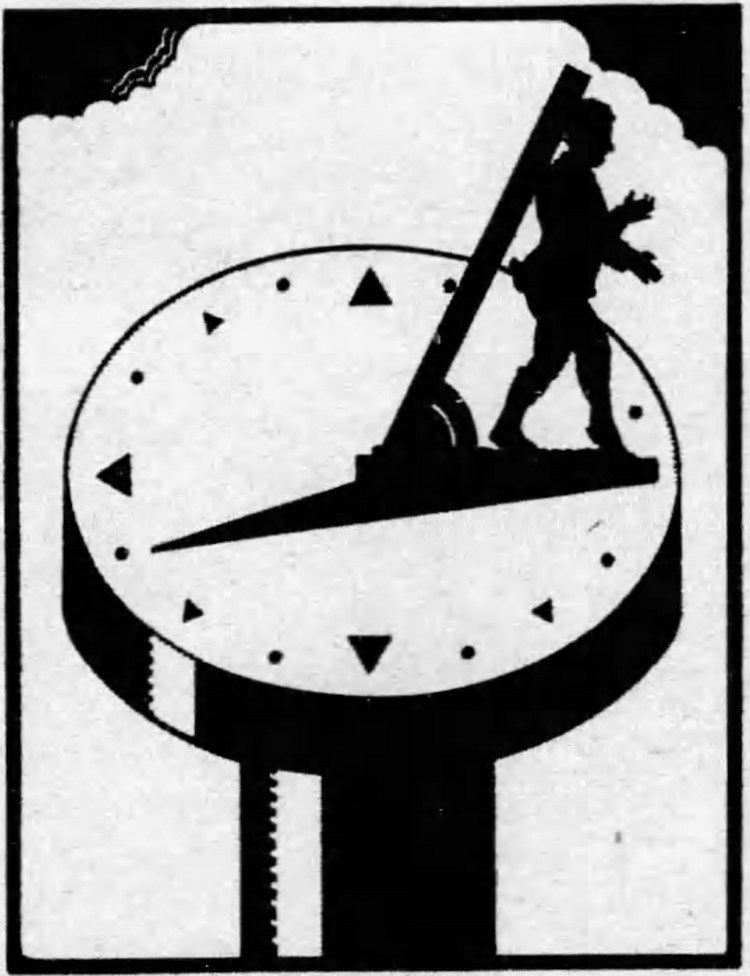
used as a jocular reply by a person who does not have a watch, when asked what the time is—also ‘half past a freckle’, ‘according to the hairs on my wrist’
Read More
“ad fontes!”
used as a jocular reply by a person who does not have a watch, when asked what the time is—also ‘half past a freckle’, ‘according to the hairs on my wrist’
Read More
USA—from 1848 onwards in contrast to ‘all men are equal’—now often alludes to ‘but some animals are more equal than others’ in Orwell’s Animal Farm (1945)
Read More
Australia and New Zealand 1913—alludes to horse racing, in which a horse wins a race by being the first to pass the finishing post
Read More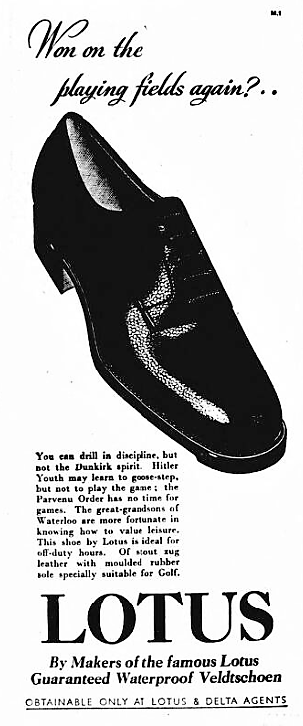
1940 as ‘spirit of Dunkirk’—determination to endure hardship—refers to the evacuation of the British Expeditionary Force from Dunkirk in May/June 1940
Read More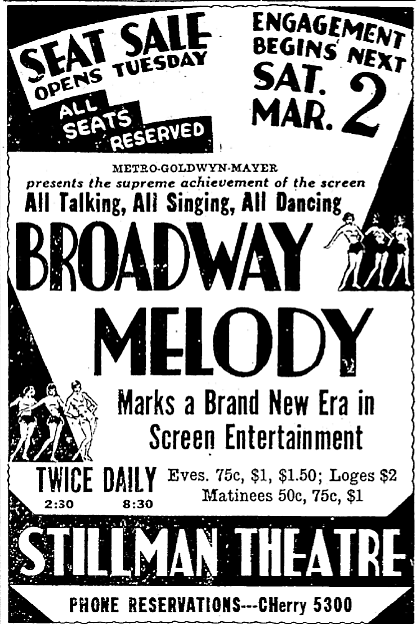
UK, 1959—having every desirable feature possible—from ‘all-singing, all-dancing’ as used in the billing given to film or stage musical productions
Read More
UK, 1924—used to indicate that the speaker has been inattentive or has not understood what has just been said
Read More
coined in The Saturday Review (London, 13 July 1861) about the shortage of important news in autumn in The Times of London
Read MoreThe Guardian, UK, 23 May 1978—used by one Lionel Bloch to designate—and denounce—the rhetoric employed by the advocates of the communist regimes
Read More
UK, 1816—successful person attracting envious hostility—from Tarquin’s decapitation of the tallest poppies to indicate the fate of enemies
Read MoreAustralia, 1980—seems to have originated in a 1979 tribute song to the Australian cricketer and cricket commentator Alan McGilvray
Read More word histories