‘all duck or no dinner’: meaning and origin
all or nothing—Australia, 1895—the image is of a dinner composed entirely of duck, i.e. of choice food, as opposed to no dinner at all
Read More
“ad fontes!”
all or nothing—Australia, 1895—the image is of a dinner composed entirely of duck, i.e. of choice food, as opposed to no dinner at all
Read More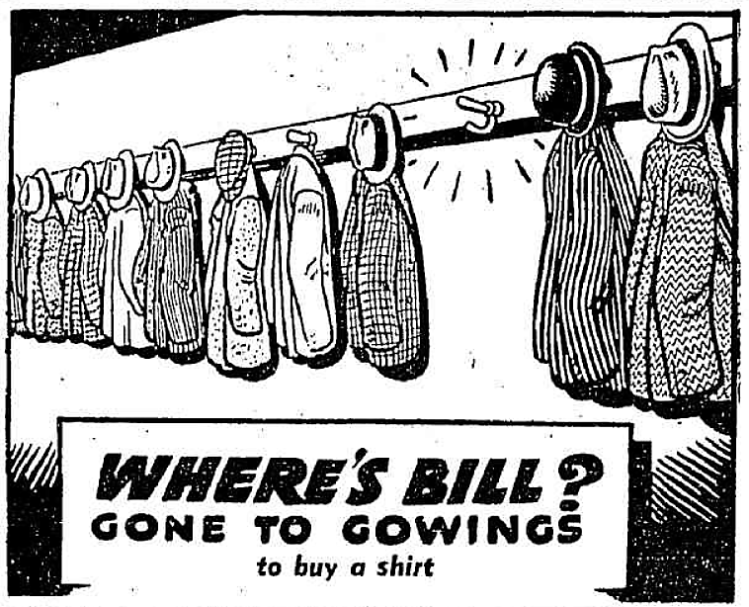
originally applied to someone’s absence—Australia, 1945—originated in 1940s advertisements for Gowings, showing scenes vacated in a hurry by those seeking bargains
Read MoreUSA, 1833—jocular phrase meaning that the speaker does not care what he is being called—a U.S. and Australian variant uses ‘breakfast’ instead of ‘dinner’
Read MoreUK, early 18th century—addressed to one who, saying ‘coming!’ (i.e., ‘in a minute’), takes a long time to arrive—used by extension of anything that is being delayed
Read Moreuncontrollable or obsessive passion—French phrase introduced in the 1960s as a theme of drama, prose narrative and cinema
Read More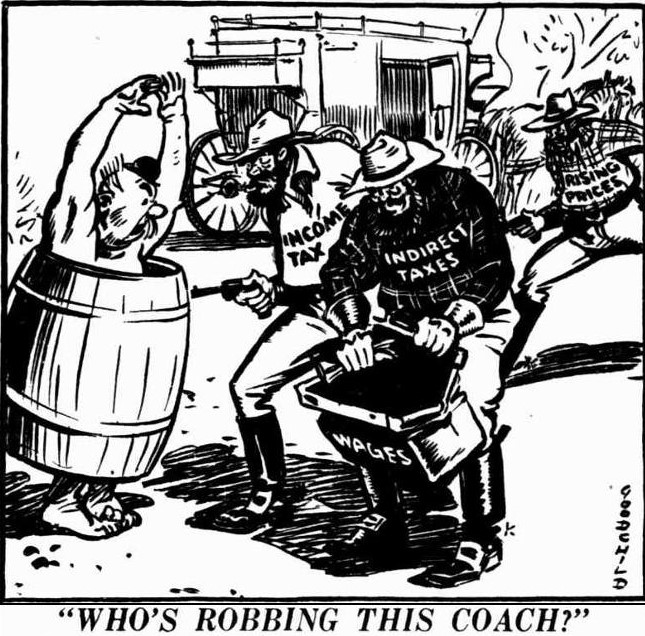
USA and Australia respectively—from a joke about robbers threatening to kiss every woman on the train/coach: when a gentleman asks them not to, a lady protests ‘who’s robbing this train/coach?’
Read Morepersonifies the highest degree of disability or incompetence—Sydney, Australia, 1910s—variant, probably referring to a local individual, of the earlier synonymous phrase ‘blind man’
Read Moreapplied either to a wearisome talker or to a persuasive talker—first occurs in the latter sense and in connection with boxing: Australia 1952, UK 1954
Read More
21st century: the practice of maintaining a certain distance between oneself and other people in order to prevent infection with a disease—20th century: the practice of maintaining a degree of remoteness or emotional separation from another person or social group
Read Morea person regarded as good-natured but also not ‘bright’ intellectually—UK, 1981—Australia, 1982—USA, 1986
Read More word histories