the noun ‘dunny’ in Australian phrases
The noun ‘dunny’ denotes a toilet, especially an outside toilet. This noun has been used in various phrases expressing notions such as conspicuousness, loneliness, ill luck, etc.
Read More
“ad fontes!”
The noun ‘dunny’ denotes a toilet, especially an outside toilet. This noun has been used in various phrases expressing notions such as conspicuousness, loneliness, ill luck, etc.
Read MoreThe proverbial phrase ‘if it should rain pottage, he would want his dish’, and its many variants, are used of a person who is characterised by bad luck or by an inability to be organised or prepared.
Read More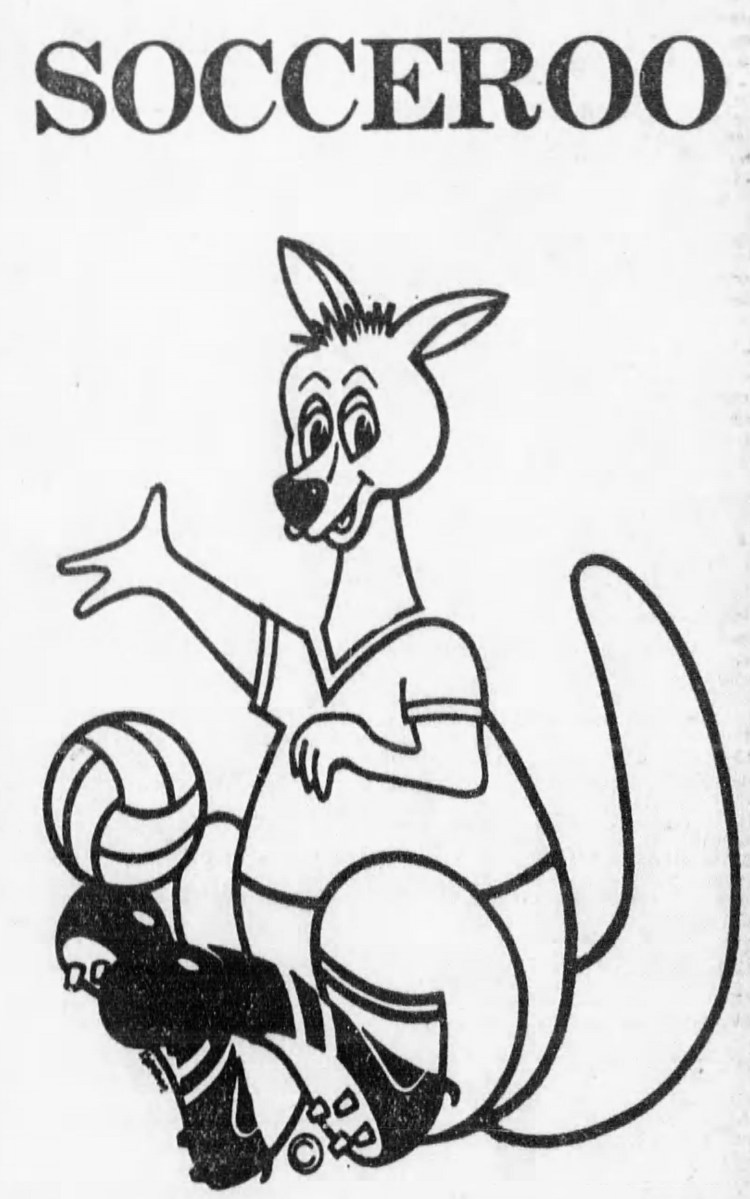
(plural) the Australian men’s national soccer team; (singular) a member of this team—originated in 1972 as the name of the mascot of the Australian men’s national soccer team, created for the 1974 FIFA World Cup
Read Moreused of a person who is implicated in an activity but accepts no responsibility for it—it was used in particular during the Watergate scandal by Senator William Saxbe to characterise President Richard Nixon
Read Morediarrhoea suffered by travellers, especially in Egypt—1915, British Army—the word ‘gyppy’ is from ‘gyp’ in ‘Egyptian’, and the suffix ‘-y’, used to form familiar diminutives
Read More
‘Aunt’ (1842) and ‘Granny’ (1851)—nicknames for The Sydney Morning Herald (Sydney, New South Wales), with reference to its conservativism—‘Granny’ has come to be used affectionately
Read Moreused of a person who is incapable of organising the simplest event, task, etc.—Australian politics, 1945, as a comment on Robert Gordon Menzies, generally ascribed to William Morris Hughes
Read MoreAustralia—‘charity dame’ 1949—‘charity moll’ 1962—an amateur prostitute who charges less than the usual rate—from ‘Moll’, pet form of the female forename ‘Mary’, the noun ‘moll’ has long been used to designate a prostitute
Read Moreout of one’s mind, extremely annoyed—Australia, 1900; New Zealand, 1907—originally as ‘(as) mad as a snake’, ‘(as) mad as snakes’ and variants—later as ‘(as) mad as a cut snake’
Read MoreUSA, 1825—the phrases that are built on the pattern ‘(as) [adjective] as a meat-ax(e)’ intensify the meaning of the adjective—this adjective can be ‘savage’, ‘wicked’, or ‘mad’
Read More
