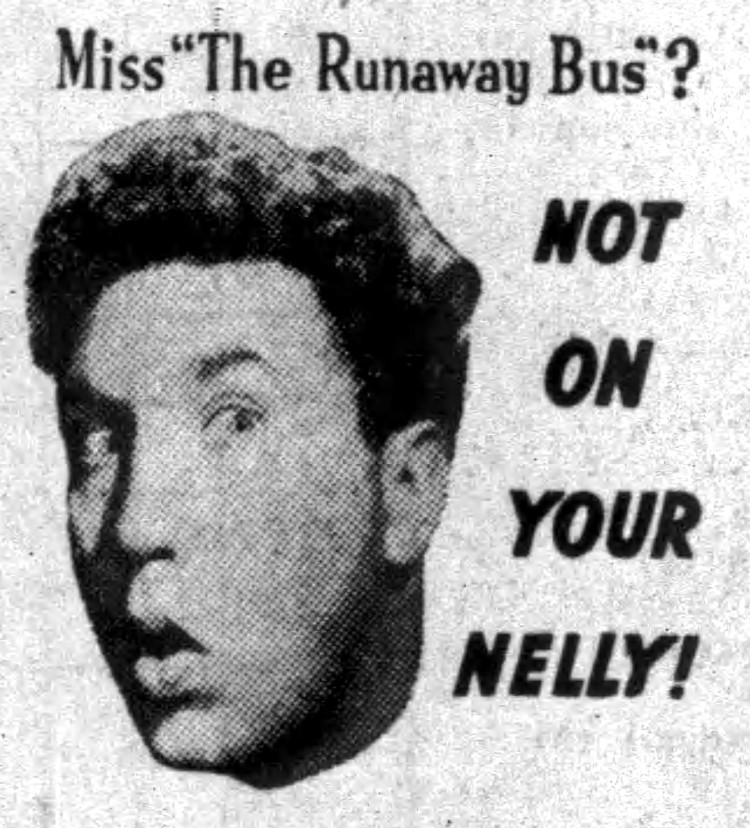
‘not under any circumstances’—Royal Air Force slang, 1942—short for ‘not on your Nelly Duff’, i.e., ‘not on your life’, ‘Nelly Duff’ being rhyming slang for ‘puff’ as used colloquially in the sense of ‘life’
Canada, 1928—resembling Jeeves, the perfect valet in stories by the English author Pelham Grenville Wodehouse (1881-1975); this fictional character first appeared in 1915
late 19th century—to disappear suddenly without leaving information about one’s whereabouts—from conjuring, in which ‘vanishing act’ designates an act of making a person or thing disappear as if by magic, and an act of disappearing in this manner
Australia, 1943—a foolish or silly person—from the synonymous noun ‘dill’ (1933), itself apparently a back-formation from the adjective ‘dilly’, meaning ‘foolish’, ‘silly’
USA, 1871: a person who frequently uses or coins slang words and phrases—USA, 1926: a person who studies the use and historical development of slang—blend of the nouns ‘slang’ and ‘linguist’
UK Parliament, 1902: rapid verbal exchanges between two parties—Queensland Parliament, 1902: the to and fro of amendments to bills between two Houses of Parliament
Australia, 1865 (nonce-use): the process of turning into a person of high social rank—UK, 1964 (coined by sociologist Ruth Glass): the process whereby middle-class people take up residence in a traditionally working-class area of a city
has been colloquially used to express a great variety of notions, in particular ugliness and madness, but also unpleasantness, unpredictableness, agitation, disturbance, etc.


 word histories