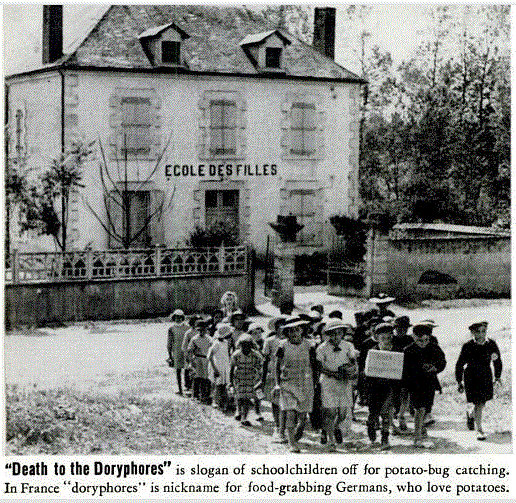
Greek ‘δορυϕόρος’ (‘doruphόros’) meant ‘spearman’; in French, ‘doryphore’ denotes the Colorado beetle and the German occupying forces during WWII; in English, it denotes a pedantic and annoyingly persistent critic.
‘queen’s’, or ‘king’s’, ‘cushion’: a seat made by two people who cross arms and hold each other’s hands to form a support for another person—Scotland and northern England, 19th century
from Speed the Plough (1798), by Thomas Morton; Dame Ashfield is constantly fearing to give occasion for the sneers of Mrs Grundy, her unseen neighbour
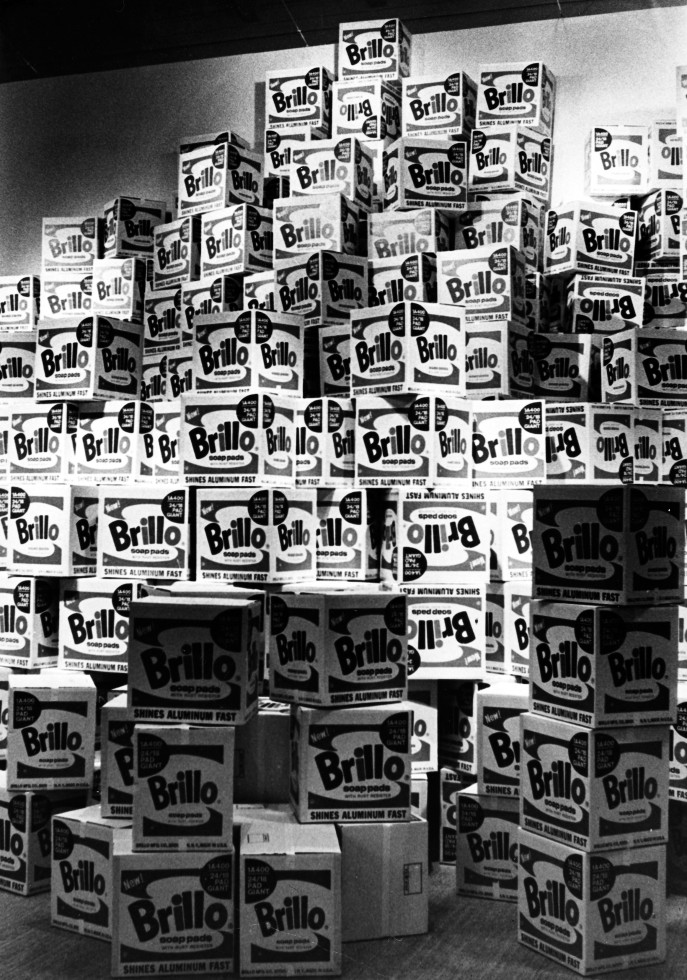
apparently misattributed to Andy Warhol in the book published for the first European retrospective of his work at the Moderna Museet, Stockholm, Sweden, in 1968
UK, 1929—the attitudes, loyalties, values, etc., associated with British public schools—from the distinctive tie that indicates which school the wearer attended
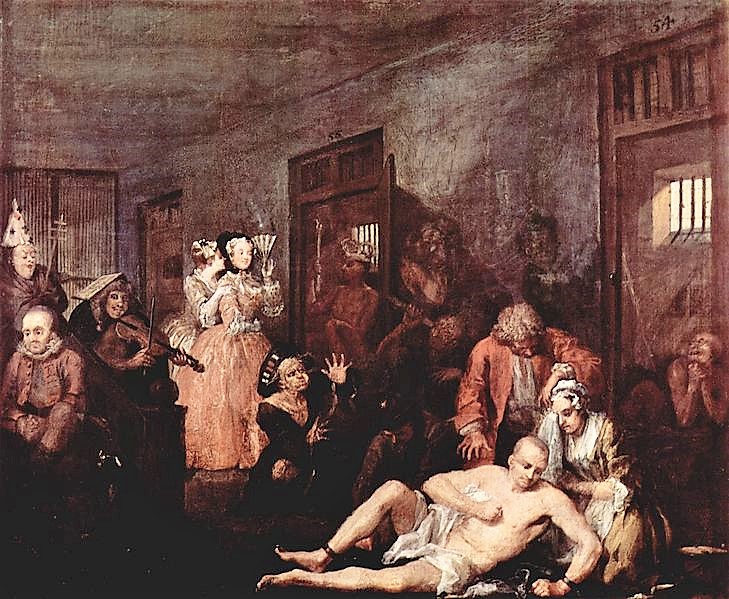
late Middle English—early form of ‘Bethlehem’, originally referring to the Hospital of St. Mary of Bethlehem in London, used as an institution for the insane
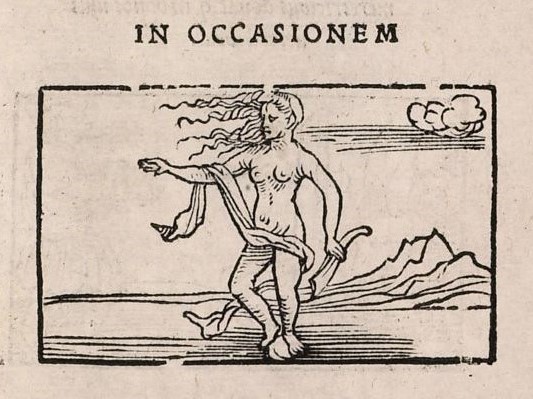
Opportunity was represented as woman completely bald except for a forelock: she can only be seized as she runs towards someone, not be caught thereafter.



 word histories