‘your mother wears army boots’: meaning, origin (?), and early occurrences
USA, 1947—a mild insult perhaps alluding to impecuniousness—seems to have originated amongst teenagers and young adults
Read More
“ad fontes!”
USA, 1947—a mild insult perhaps alluding to impecuniousness—seems to have originated amongst teenagers and young adults
Read MoreUK, early 18th century—addressed to one who, saying ‘coming!’ (i.e., ‘in a minute’), takes a long time to arrive—used by extension of anything that is being delayed
Read Moreuncontrollable or obsessive passion—French phrase introduced in the 1960s as a theme of drama, prose narrative and cinema
Read More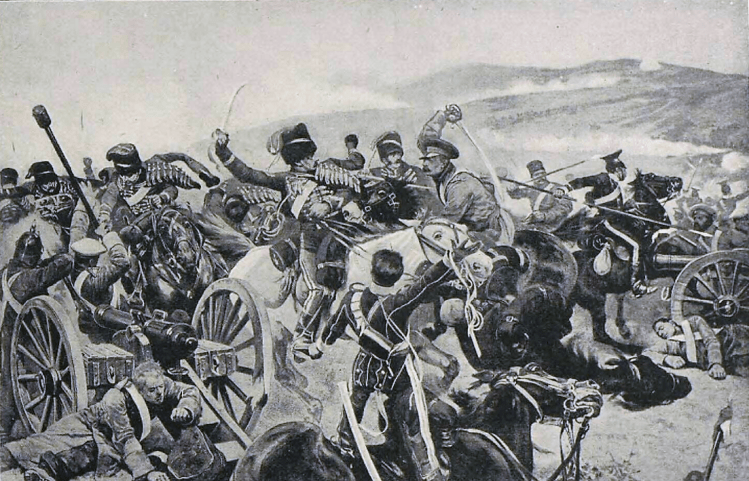
alludes to a British cavalry charge in 1854 during the Battle of Balaclava in the Crimean War—the phrase has had a variety of meanings, depending on the acceptation in which ‘charge’ has been used
Read More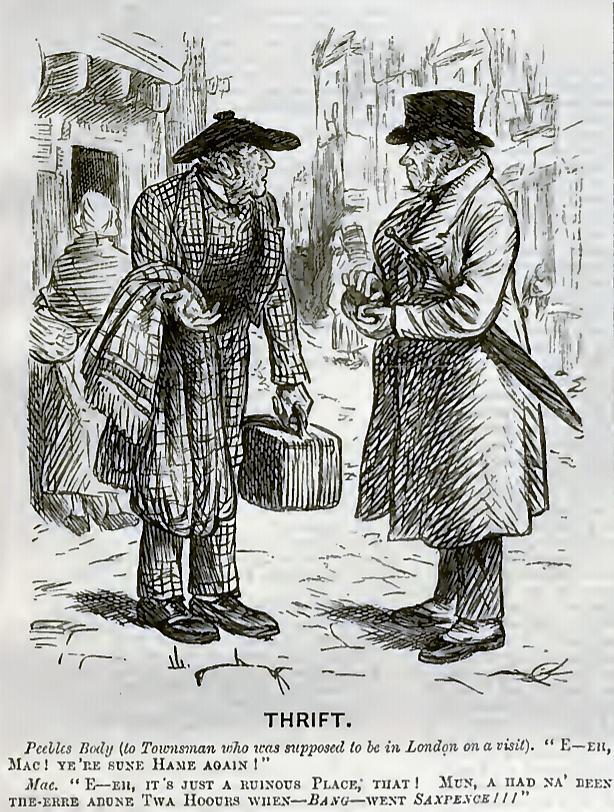
UK, 1870—based on the stereotype of Scots being miserly—from the story of the Scotsman who complained that he had to spend, in London, the small sum of sixpence
Read More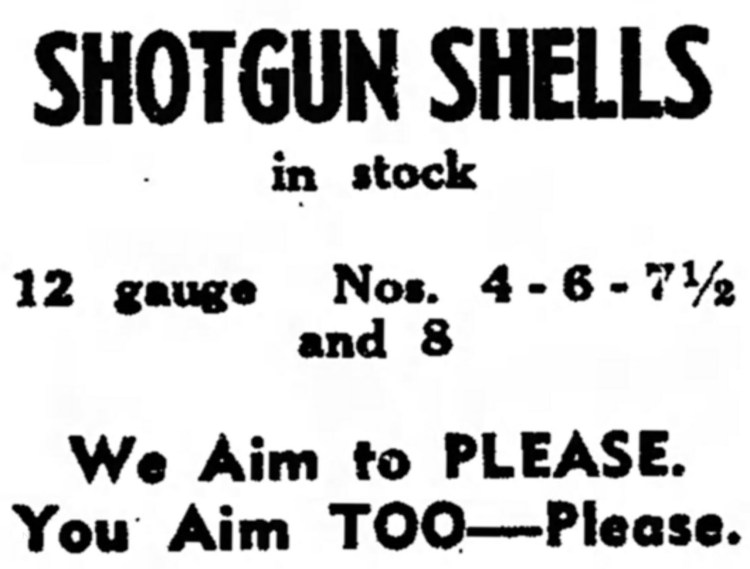
‘we aim to please’ (1817): originally chiefly used as a commercial slogan meaning ‘our customers’ satisfaction is our goal’—extended form ‘we aim to please; you aim too, please’ (1941): used in a variety of contexts
Read More
a deliberate malapropism punning on ‘to cast aspersions on’—UK, 1902—nasturtiums are low plants with large round leaves and orange, red or yellow flowers
Read More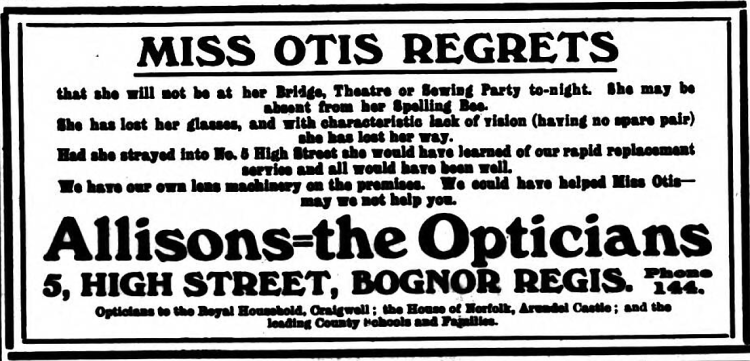
UK 1934 – USA 1935—alludes to a sardonic song by Cole Porter, about the lynching of an upper-class woman after she murders her unfaithful lover
Read More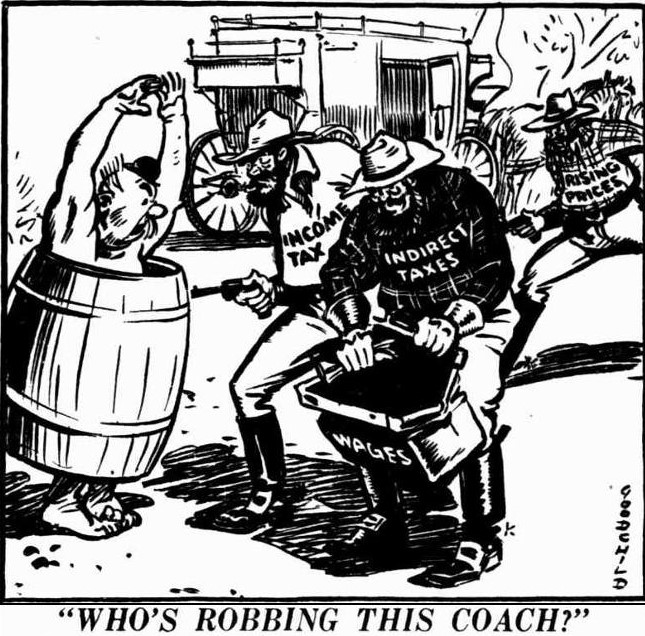
USA and Australia respectively—from a joke about robbers threatening to kiss every woman on the train/coach: when a gentleman asks them not to, a lady protests ‘who’s robbing this train/coach?’
Read More1928—addressed to someone who looks glum—‘scone’ (originally Scots, early 16th century) denotes a light plain doughy cake
Read More word histories