meaning and origin of the phrase ‘to have a bee in one’s bonnet’
This phrase is a transformation of ‘one’s head full of bees’, meaning scatter-brained, unable to think straight, as if bees are buzzing around in one’s head.
Read More
“ad fontes!”
This phrase is a transformation of ‘one’s head full of bees’, meaning scatter-brained, unable to think straight, as if bees are buzzing around in one’s head.
Read More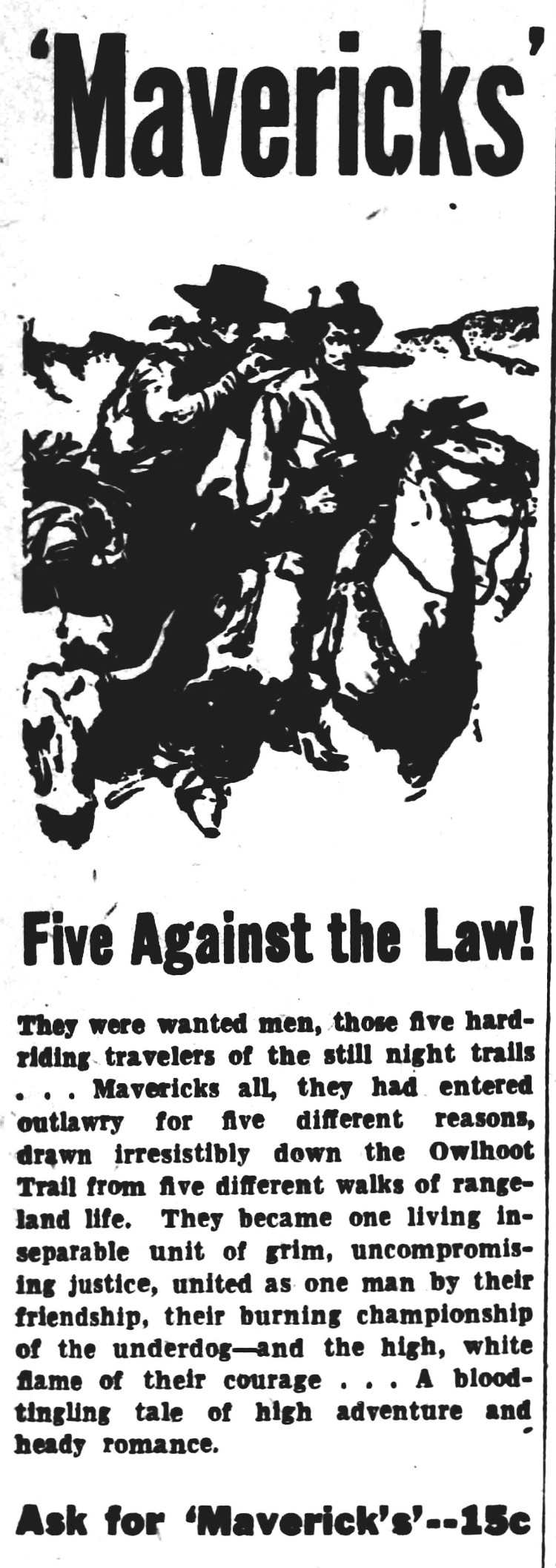
Coined after ‘cock-crow’, ‘owl-hoot’ means ‘dusk’. It denotes ‘an outlaw’ in Wild West fiction, hence, generally, ‘a worthless or contemptible person’.
Read More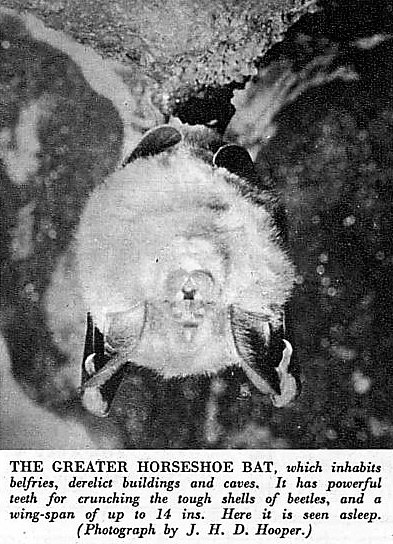
Of American-English origin, ‘to have bats in one’s belfry’ is from the image of bats flying around when disturbed, like confused thoughts in a disordered mind.
Read MoreThe word ‘slave’ is from Medieval Latin ‘Sclavus’, ‘Slav’, because the Slavic peoples were frequently reduced to a servile condition by the Germanic conquest.
Read More
‘like one o’clock’—mid 19th century, British: with speed, eagerness, energy; perhaps with reference to the lunchtime bustle in the northern manufacturing towns
Read More
The noun ‘paparazzo’ is from the name of a photographer in La Dolce Vita (1960) by Federico Fellini. The choice of this name has been variously explained.
Read MoreThe phrase perhaps originated in laws or customs regulating the gathering of firewood by tenants; it was perhaps a legal formula in which ‘crook’ merely reinforced ‘hook’.
Read More
probable origin: in 1642, during the English Civil War, Royalists had been captured at Birmingham and sent to Coventry, which was a Parliamentarian stronghold.
Read More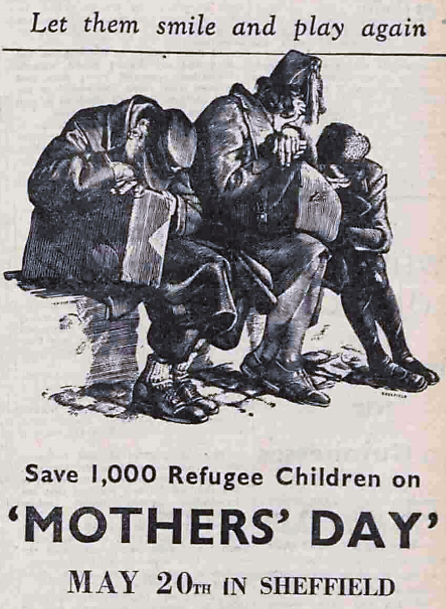
Kindertransport (from German ‘Kinder’, children): operation from 1938 to 1940 to evacuate (mostly Jewish) children from Nazi-controlled areas of Europe to the UK
Read More
‘Gorgeous Wrecks’ (UK, WWI): members of the Volunteer Training Corps, from the letters ‘G.R.’ (‘Government Recognition’) interpreted as meaning ‘Georgius Rex’
Read More word histories