‘sparrowfart’: meanings and origin
British, dialectal, 1828: the break of day, i.e., the dawn chorus, with humorous allusion to a small passerine breaking wind—later also: an insignificant person or thing
Read More
“ad fontes!”
British, dialectal, 1828: the break of day, i.e., the dawn chorus, with humorous allusion to a small passerine breaking wind—later also: an insignificant person or thing
Read Morea tachograph—coined in Manchester (England), in September 1968, by lorry drivers who opposed the proposed introduction of the tachograph into lorries
Read MoreYorkshire & Lancashire, 19th century—wisdom, a witty remark, etc., which occurs to a person after the event, typically too late to be of use
Read Morewealth gained in one generation of a family will be lost by the third generation—UK, 1842, as “there is but one generation in Lancashire between clog and clog”—refers to clogs being typically worn by factory workers
Read MoreYorkshire & Lancashire (northern England), first half of the 19th century—the evening of 30th April (May Eve), on which people traditionally indulged in mischievous pranks
Read Moreto do or say something which causes trouble, controversy or upset—first occurs (1841 & 1843, Yorkshire, northern England) in quotation marks, which indicates that it was already in common usage
Read More1910—used of a weakling, or of someone or something that is ineffectual—may have originated in Yorkshire, a county of northern England
Read More1955—originated in stage plays purporting to depict life in northern England, particularly in Lancashire—‘mill’: a factory
Read More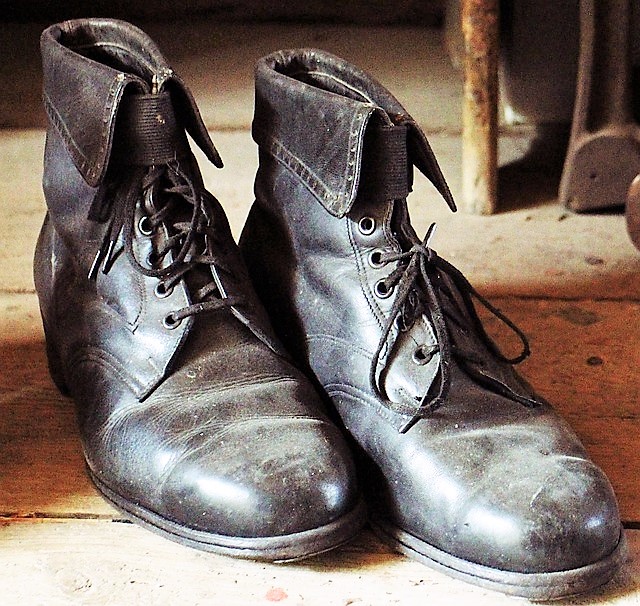
mid-16th century—meaning: to wait for the death of a person with the expectancy of succeeding to his possessions or office; implies a futile wait
Read More
(British) benefit paid by the state to the unemployed (1919)—from Middle-English sense ‘food or money given in charity’—from primary sense ‘portion’, ‘share’
Read More word histories