‘glitterati’: meaning and origin
the celebrities of the fashionable literary and show-business world—USA, 1944—blend of ‘glitter’ ((to make) a brilliant appearance or display) and of ‘literati’ (intellectuals)
Read More
“ad fontes!”
the celebrities of the fashionable literary and show-business world—USA, 1944—blend of ‘glitter’ ((to make) a brilliant appearance or display) and of ‘literati’ (intellectuals)
Read More
to put someone in a difficult, vulnerable or compromising situation, especially by exposing them to blame—USA, 1945, sports—the image is of suspending wet washing in the open so that it can dry
Read MoreUSA—‘Mr Nice Guy’ (1952, first used of Perry Como): a pleasant, selfless, thoughtful person—‘no more Mr Nice Guy’ (1960): used to express that one has decided to stop being considerate of others and instead act exclusively in one’s own self-interest
Read More
USA—originally used during the 1960 presidential election campaign by the Democratic Party to denigrate Richard Nixon, the Republican Party’s nominee
Read More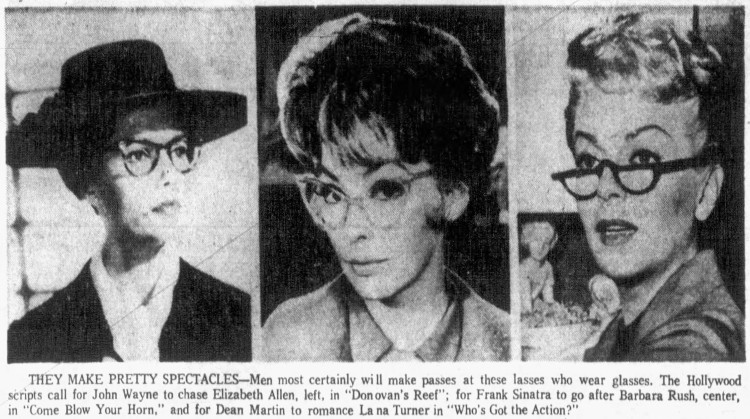
USA—from two-line poem ‘News Item’ (1926), by Dorothy Parker—has given rise to jocular variants, especially playing on ‘glasses’ (eyewear/drinking containers)
Read More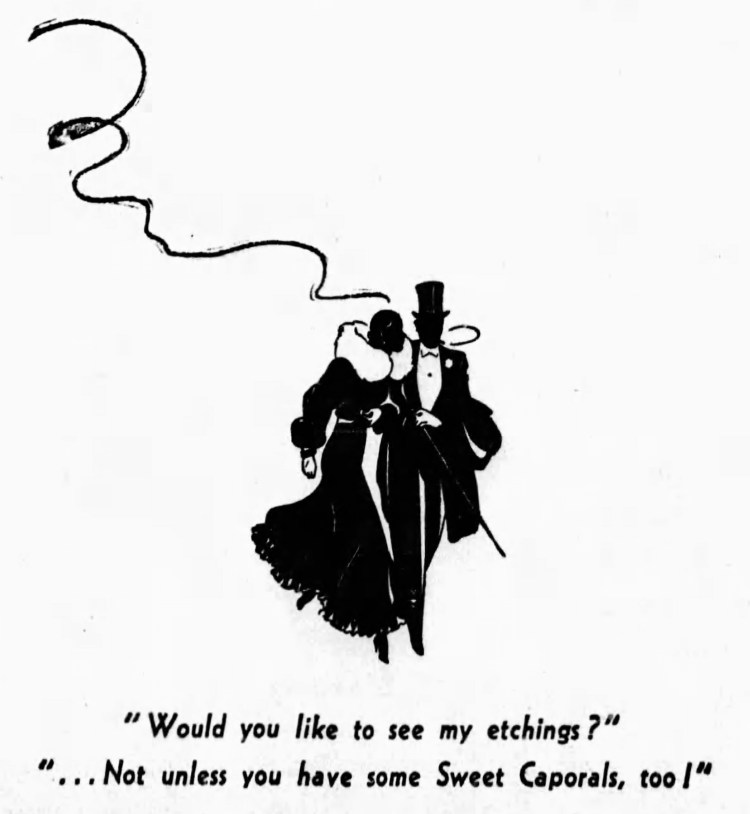
USA, early 20th century—used as an invitation to sexual dalliance—in 1937, William Hays’s censorship office apparently banned it in cinema films
Read More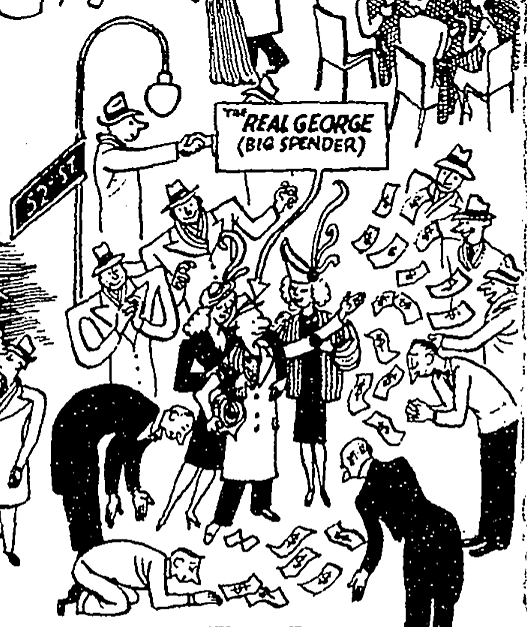
1950, Broadway slang, pejorative—a wealthy man who, in return for their company, lavished money on showbusiness people and those mixing with them
Read More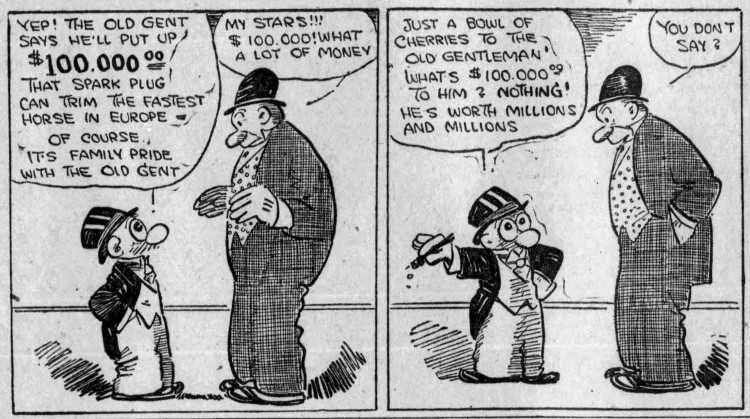
USA 1931—a highly enjoyable situation or experience—from ‘life is just a bowl of cherries’ 1928—popularised by song ‘Life Is Just a Bowl of Cherries’ 1931
Read MoreUSA—‘man Friday’ 1802: alludes to the name of Robinson Crusoe’s servant in Daniel Defoe’s novel—‘girl Friday’ 1929: coined on the pattern of ‘man Friday’
Read MoreUSA, 1908—to relish – or ironically deplore – the fact that one is making money, especially undeservedly or at the expense of others
Read More word histories