a hypothesis as to the origin of ‘to get down to brass tacks’

USA, 1868—‘brass tacks’: the nails studded over a coffin, hence figuratively the end of any possibility of deceit, the return to essentials
Read More
“ad fontes!”
USA, 1868—‘brass tacks’: the nails studded over a coffin, hence figuratively the end of any possibility of deceit, the return to essentials
Read More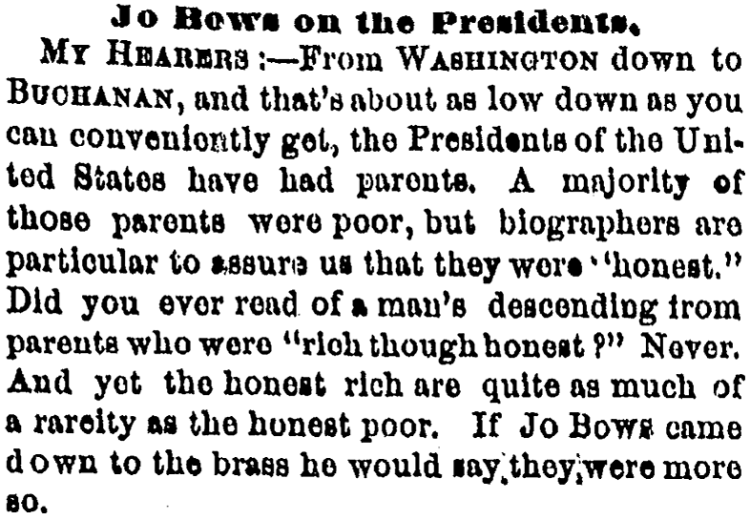
USA—‘come (right) down to the brass’ (1854): get to the point; tackle the essentials—‘come down to brass tacks’ (1863): tackle the essentials
Read MoreUSA, 1838—used with reference to extreme cold, extreme heat and other notions such as ridiculousness—from jocular allusions to brass statuettes of monkeys
Read More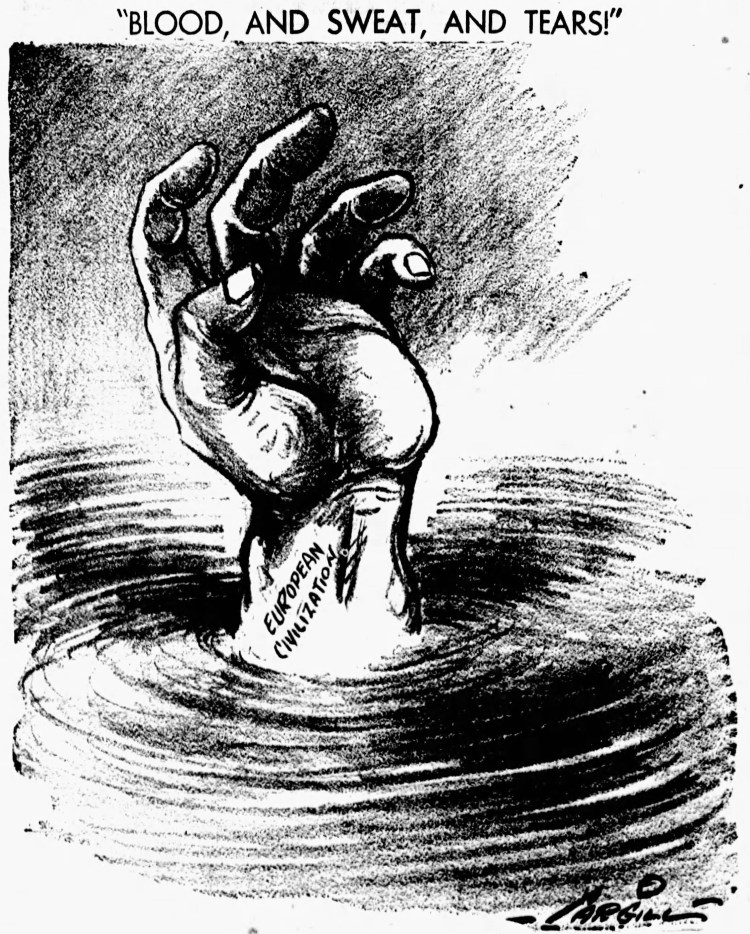
current use seems to allude to a speech by Winston Churchill in May 1940—but the metaphor goes back to the early 17th century
Read More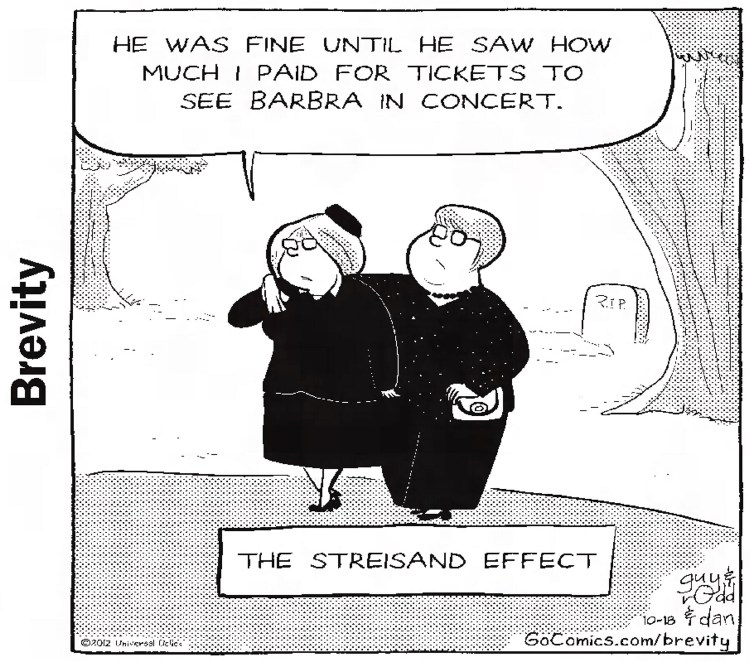
USA, 2005—coined by Mike Masnick on Techdirt.com—refers to Barbra Streisand’s counterproductive attempt in 2003 to ban a photo of her house
Read More
USA, 1922—seems to have originated in the slang of the flappers (the young women who showed freedom from conventions) and of their male counterparts
Read MoreUSA, 1918—originally a soldier who had lost all four limbs during the First World War and had to be transported in a basket
Read MoreUSA, 1908—to relish – or ironically deplore – the fact that one is making money, especially undeservedly or at the expense of others
Read More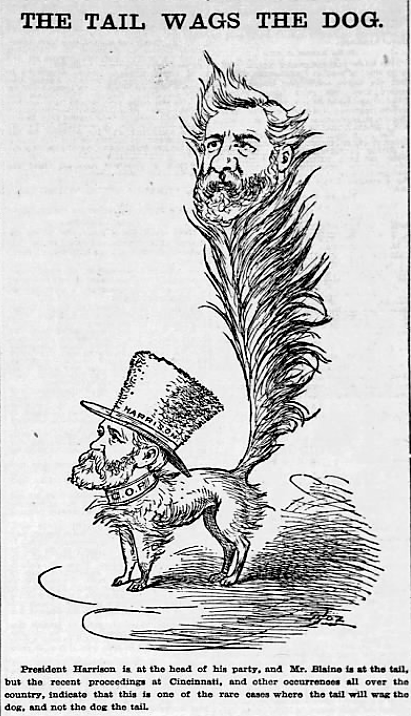
USA, 1870—an unimportant or subsidiary factor, person or thing dominates the situation—based on the image of the inversion of the natural order
Read More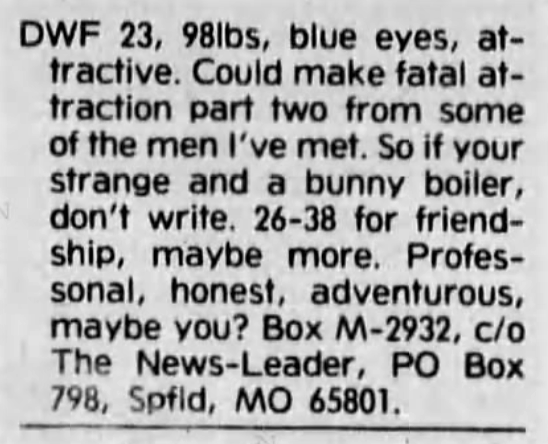
1989—a person acting vengefully after having been spurned by their lover—from 1987 film Fatal Attraction, in which a rejected woman boils her lover’s pet rabbit
Read More
