early meanings of the portmanteau ‘screenager’

USA—blend of ‘screen’ and ‘teenager’—(1957) teenagers reacting to a movie—(1985) teenagers as represented by TV and cinema
Read More
“ad fontes!”
USA—blend of ‘screen’ and ‘teenager’—(1957) teenagers reacting to a movie—(1985) teenagers as represented by TV and cinema
Read Morefirst attested in David Balfour (1893), by Robert Louis Stevenson—French equivalent ‘connaître comme sa/ses poche(s)’ (‘to know like one’s pocket(s)’ – 1791)
Read More1825, Anglo-Irish alteration of ‘by Jesus’—1867 as one word—‘the bejesus out of’ (1931) intensifies the action conveyed by the preceding verb
Read MoreUK, 1948—USA, 1952—from the image of the over-cautious man who wears both a belt and braces/suspenders to hold up his trousers
Read MoreUSA, 1950s—‘that’s how the cookie crumbles’: that’s how it is—‘(that’s when) the cookie crumbled’: (that’s when) a decisive change in a situation occurred
Read MoreUSA, 1797—alludes to legendary outlaw Robin Hood—’barn’ (metaphor for the country as supply of food) was applied to any large space
Read MoreUSA, 1822—extremely pleased, delighted—alludes to the belief that a dog wags its tail as a sign of pleasure or happiness
Read More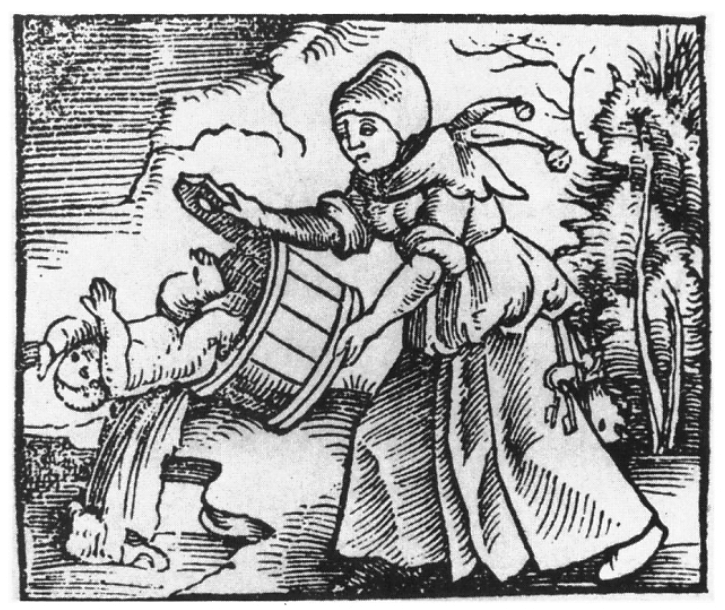
mid-19th century—loan translation from German ‘das Kind mit dem Bade ausschütten’ (to empty out the child with the bath), early 16th century
Read More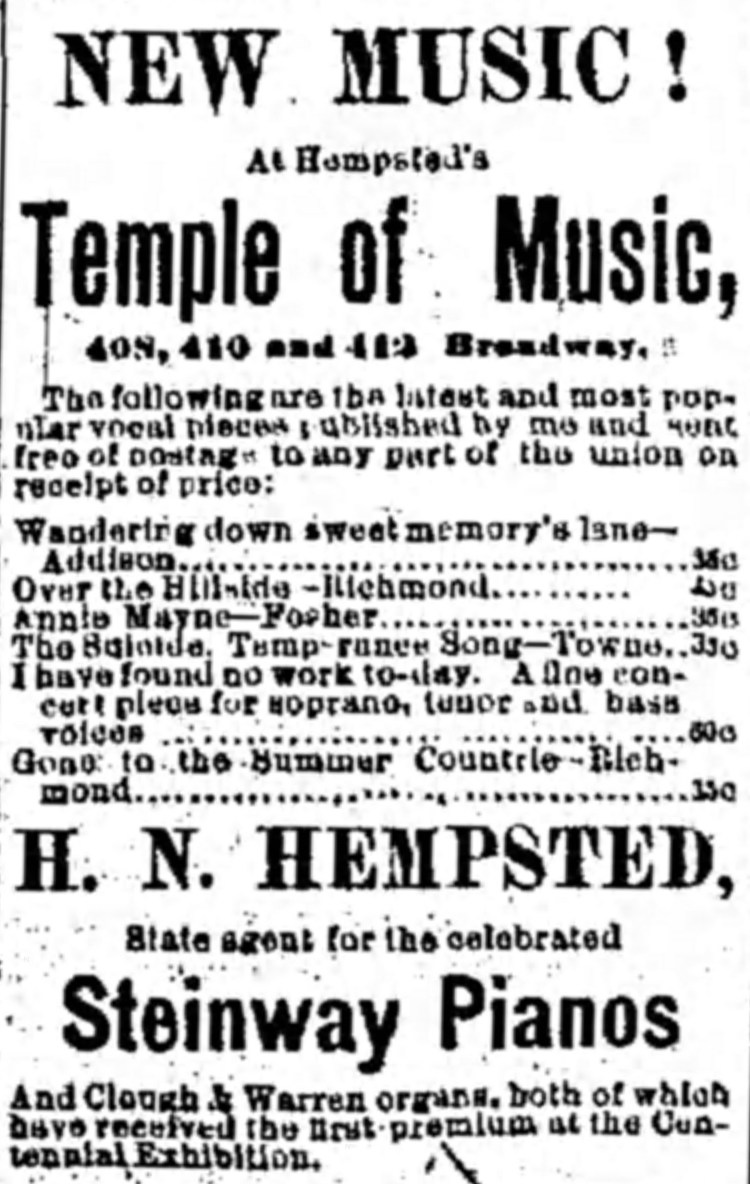
an imaginary path through the nostalgically remembered past—USA, 1876, as ‘memory’s lane’ (‘memory’ in the genitive)
Read MoreUSA, 1889—humorous, informal: a hen’s egg—composed of ‘cackle’, the raucous clucking cry given by a hen, especially after laying an egg, and of ‘berry’
Read More word histories