‘Charlie’s dead’ (your petticoat is showing)
UK, 1950s—used among schoolgirls when one’s petticoat was showing (origin unknown)—synonyms: ‘it’s snowing again’, ‘you’re showing next week’s washing’
Read More
“ad fontes!”
UK, 1950s—used among schoolgirls when one’s petticoat was showing (origin unknown)—synonyms: ‘it’s snowing again’, ‘you’re showing next week’s washing’
Read MoreUK, 1909—used when the dividing walls between adjacent houses or flats are thin—also used of the passage of sound between floors
Read More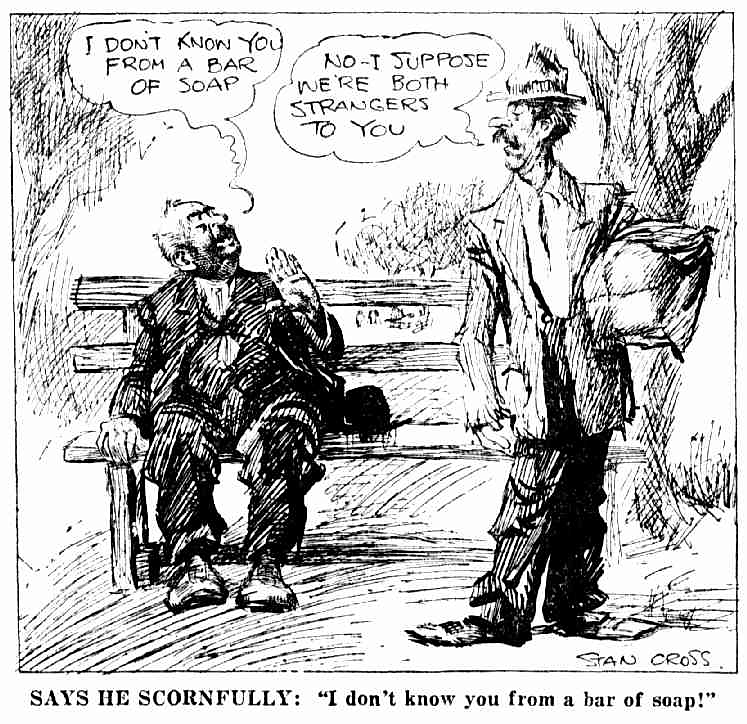
to be completely unacquainted with someone or something—most earliest uses (late 19th century) in U.S. publications, but a few in Australian publications
Read More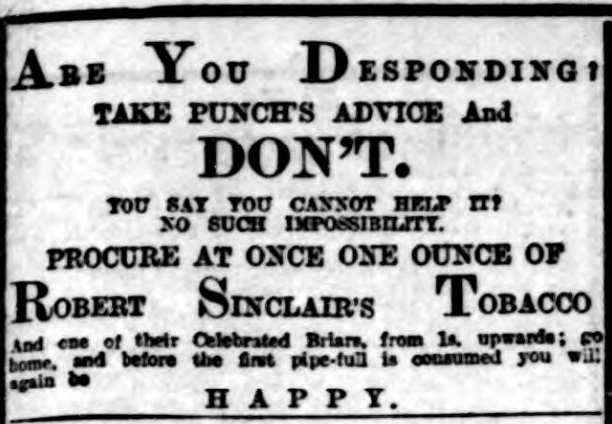
from “advice to persons about to marry—don’t”, published in ‘Punch’s Almanack for 1845’ (24 December 1844) by the magazine ‘Punch, or the London Charivari’
Read More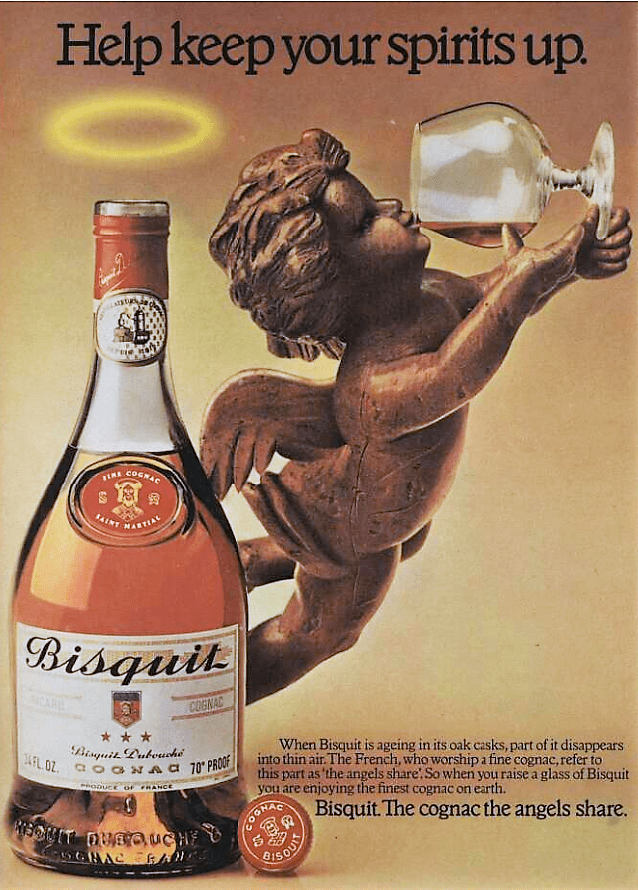
UK, 1970—the quantity of distilled spirits lost to evaporation while ageing in wooden casks; the vapours resulting from this process—calque of French ‘la part des anges’
Read MoreAustralia, 1969—used to denote a fast-moving person or situation—alludes to the quickness with which a bride’s nightdress comes off on the wedding night
Read More
chat-up line—from ‘Tell me, pretty maiden (I must love some one)’, a song of the musical comedy ‘Florodora’, produced in Britain in 1899 and in the USA in 1900
Read More
originally a chat-up line that supposedly met a demand for originality (USA 1985)—while it soon became one of the favourite lines used by men, women loathe it
Read Morea break with traditional values—at a performance of Anthony and Cleopatra, a Victorian lady allegedly contrasted Queen Victoria’s homelife to Cleopatra’s
Read More
nourish your husband—1882 in ‘Vanity Fair’ (London)—popularised in 1885 by a cartoon by George du Maurier, published in ‘Punch, or the London Charivari’
Read More word histories