‘kissogram’: meanings and origin
UK & USA, early 20th century—used in a variety of meanings, among which: ‘a postcard on which the sender could leave the imprint of a kiss’, and ‘a brief statement about kissing’
Read More
“ad fontes!”
UK & USA, early 20th century—used in a variety of meanings, among which: ‘a postcard on which the sender could leave the imprint of a kiss’, and ‘a brief statement about kissing’
Read MoreUSA, 1815—a circular curl of hair (sometimes artificial), usually pressed flat against the temple or forehead
Read Morea sly, treacherous or deceitful person, especially one who is secretly acting against the interests of the community or organisation to which he or she belongs—mid-19th century
Read MoreUSA, 1858—any man—often in contexts in which a person, especially a woman, is disparagingly characterised as sexually promiscuous or indiscriminate
Read MoreUK, 1907: ‘to ghostwrite’ (to write a book, an article, etc., for another person, under whose name it is then published—USA, 1908: ‘ghostwriter’ (a person who ghostwrites)
Read More‘woodpushing’: chess-playing, draughts-playing—‘woodpusher’: a chess-player, a draughts-player—refers to the wooden pieces that chess-players and draughts-players move across the board
Read More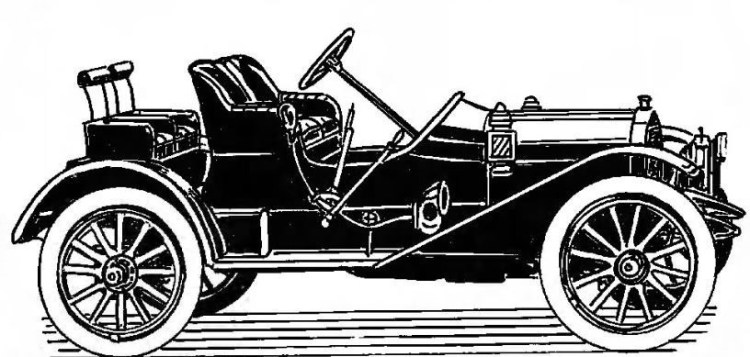
an uncovered extra seat at the back or on the side of a two-seater motor car—USA, 1907
Read MoreUSA, 1874—a joke made at the expense of the joke-teller’s (real or fictitious) mother-in-law; this type of joke considered (especially depreciatively) as a genre
Read Morelooking or feeling ill or nauseated—1843, in a letter by Charles Dickens—when applied to a person, the plural noun ‘gills’ designates the flesh under the jaws and ears; also the cheeks
Read Morecrowded or confined tightly together—Britain, 1706—in early use, this phrase often referred to the transatlantic slave trade
Read More word histories