UK, 1851—a person (or persons) or a thing (or things) considered unattractive, inferior or unpleasant, compared to others of the same type or group—alludes to Cinderella’s ugly and unpleasant stepsisters in the fairy tale Cinderella
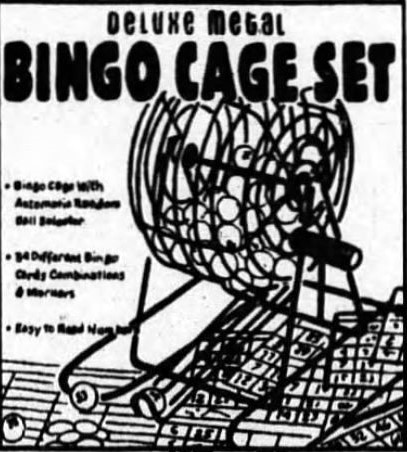
USA, 1937—a device with a revolving cage or drum, used in a game of bingo to mix up the numbered balls or slips, or for drawing numbers or prize tickets in a lottery, tombola, etc.
UK & USA, early 20th century—used in a variety of meanings, among which: ‘a postcard on which the sender could leave the imprint of a kiss’, and ‘a brief statement about kissing’
a sly, treacherous or deceitful person, especially one who is secretly acting against the interests of the community or organisation to which he or she belongs—mid-19th century
UK, 1907: ‘to ghostwrite’ (to write a book, an article, etc., for another person, under whose name it is then published—USA, 1908: ‘ghostwriter’ (a person who ghostwrites)
‘woodpushing’: chess-playing, draughts-playing—‘woodpusher’: a chess-player, a draughts-player—refers to the wooden pieces that chess-players and draughts-players move across the board
USA, 1874—a joke made at the expense of the joke-teller’s (real or fictitious) mother-in-law; this type of joke considered (especially depreciatively) as a genre

 word histories